Focus on the BIG picture.
Monday, May 25, 2026
Outside the box.

A Presidency Under Persistent Threat: Security Pressure Around Trump Enters a More Dangerous Phase
The White House shooting over Memorial Day weekend is the latest in a growing chain of violent incidents targeting Donald Trump and locations tied to his presidency, forcing a major reassessment of modern political security in the United States.
The story is fundamentally event-driven because a succession of increasingly serious security incidents involving President Donald Trump has exposed how rapidly the threat environment surrounding American political leadership has deteriorated.
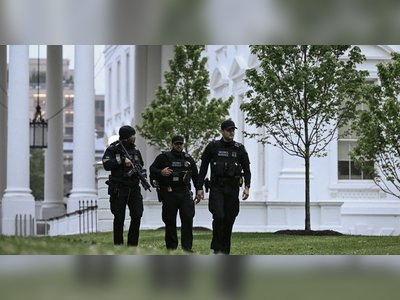
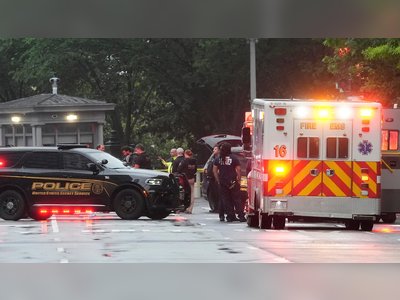
The latest incident unfolded during Memorial Day weekend when a gunman opened fire near a White House checkpoint while Trump was inside the executive complex.
Secret Service officers returned fire and killed the suspect before he could breach the secure perimeter.
A bystander was also injured during the exchange.
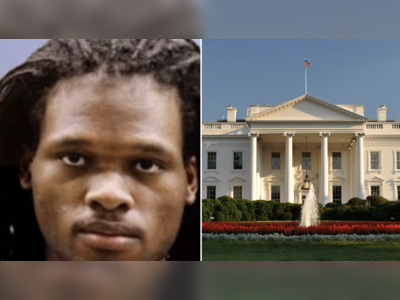
Federal authorities identified the suspect as twenty-one-year-old Nasire Best, a man who had previously come to the attention of law enforcement and had earlier encounters involving restricted White House areas.
Investigators say he approached a checkpoint near Pennsylvania Avenue, removed a firearm from a bag, and began shooting toward officers.
The attack did not occur in isolation.
It is part of a broader pattern of escalating threats directed at Trump since his return to the presidency.
The cumulative effect is now forcing federal agencies to rethink the scale, frequency, and unpredictability of political violence in the United States.
The defining moment in that escalation came during the Pennsylvania campaign rally shooting last year, when a gunman fired at Trump from an elevated rooftop position during a public event.
Trump survived after a bullet grazed his ear, but one rally attendee was killed and several others were injured.
That attack fundamentally changed the security landscape around Trump.
The Secret Service faced intense bipartisan criticism after investigators concluded that warning signs, line-of-sight vulnerabilities, and perimeter weaknesses were not addressed adequately before the rally.
Internal reviews triggered operational changes across presidential protection protocols.
Those changes included expanded aerial surveillance, more aggressive rooftop control measures, wider exclusion zones, strengthened local law enforcement coordination, and increased use of counter-sniper assets.
Despite those measures, the Memorial Day weekend shooting demonstrated the limits of even the most hardened protective systems.
The White House remains one of the world’s most secure government compounds, but it is also embedded in a dense urban environment with heavy tourism, public demonstrations, commuter traffic, and symbolic political visibility.
The central security challenge is not simply stopping organized attacks.
Increasingly, federal agencies are confronting lone actors who display fragmented warning signs before escalating into violence.
That shift matters because lone actors are significantly harder to predict.
Many are not tied directly to formal extremist organizations.
Some exhibit severe mental instability, personal grievances, online radicalization, or combinations of all three.
Their pathways to violence are often inconsistent, accelerated, and difficult for intelligence systems to interpret in real time.
What is confirmed is that the White House shooter had previous interactions with authorities before the attack.
Officials are examining his mental health history, communications, online activity, and prior behavior around protected federal sites.
The broader threat environment around Trump has also become unusually politicized.
Trump remains one of the most polarizing political figures in modern American history, attracting intense support and intense hostility simultaneously.
Federal law enforcement agencies have repeatedly warned that political rhetoric, online extremism, and conspiracy ecosystems are contributing to elevated risks of targeted violence.
At the same time, authorities have not established evidence that the latest White House shooting was part of a coordinated political conspiracy or organized extremist operation.
Public speculation about motive remains unverified.
The practical consequences of repeated incidents are already visible.
Security perimeters around Trump have expanded substantially at rallies, transportation hubs, and government facilities.
Public access is tighter.
Crowd screening is more aggressive.
Tactical deployments are heavier and more visible.
Those adjustments carry political and symbolic costs.
American presidential culture traditionally emphasizes accessibility and public visibility.
Modern security realities increasingly push presidents toward controlled environments, fortified movement patterns, and reduced spontaneous public interaction.
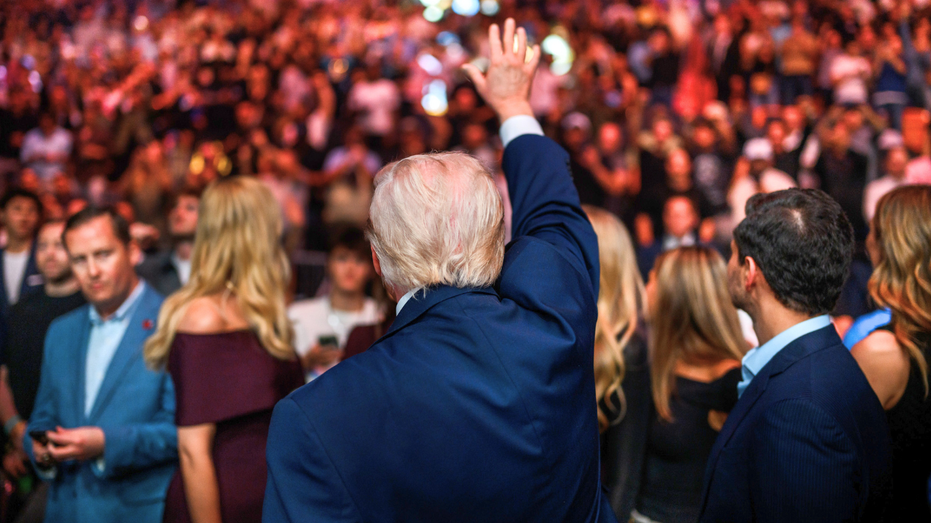
That tension is becoming sharper under Trump because he continues to favor large rallies, direct crowd engagement, and highly public appearances despite repeated security incidents.
His political identity remains tied to visible mass support and public spectacle.
The Secret Service therefore faces a difficult balancing act.
It must preserve Trump’s political operating style while managing a threat environment that increasingly resembles permanent high-risk protection.
The White House shooting also intensified scrutiny of preventive intelligence systems.
Modern presidential protection depends heavily on identifying dangerous individuals before they act.
Yet the volume of online threats, unstable behavior reports, and politically charged rhetoric has expanded dramatically over the past decade.
Former federal officials have warned that the challenge is no longer merely physical security.
It is data overload.
Agencies must distinguish between enormous amounts of non-credible noise and the comparatively small number of individuals capable of operational violence.
Trump’s allies argue the repeated incidents justify stronger federal protection powers and tougher criminal enforcement against threats targeting public officials.
Critics counter that broader political polarization, inflammatory rhetoric across the political spectrum, and widespread firearm access are intensifying the danger faster than security agencies can adapt.
The immediate operational result of the Memorial Day weekend shooting is another tightening of White House and presidential security measures.
The longer-term consequence is more profound: the United States is entering a period in which persistent high-level political threat conditions are becoming normalized around the presidency itself.
The latest incident unfolded during Memorial Day weekend when a gunman opened fire near a White House checkpoint while Trump was inside the executive complex.
Secret Service officers returned fire and killed the suspect before he could breach the secure perimeter.
A bystander was also injured during the exchange.
Federal authorities identified the suspect as twenty-one-year-old Nasire Best, a man who had previously come to the attention of law enforcement and had earlier encounters involving restricted White House areas.
Investigators say he approached a checkpoint near Pennsylvania Avenue, removed a firearm from a bag, and began shooting toward officers.
The attack did not occur in isolation.
It is part of a broader pattern of escalating threats directed at Trump since his return to the presidency.
The cumulative effect is now forcing federal agencies to rethink the scale, frequency, and unpredictability of political violence in the United States.
The defining moment in that escalation came during the Pennsylvania campaign rally shooting last year, when a gunman fired at Trump from an elevated rooftop position during a public event.
Trump survived after a bullet grazed his ear, but one rally attendee was killed and several others were injured.
That attack fundamentally changed the security landscape around Trump.
The Secret Service faced intense bipartisan criticism after investigators concluded that warning signs, line-of-sight vulnerabilities, and perimeter weaknesses were not addressed adequately before the rally.
Internal reviews triggered operational changes across presidential protection protocols.
Those changes included expanded aerial surveillance, more aggressive rooftop control measures, wider exclusion zones, strengthened local law enforcement coordination, and increased use of counter-sniper assets.
Despite those measures, the Memorial Day weekend shooting demonstrated the limits of even the most hardened protective systems.
The White House remains one of the world’s most secure government compounds, but it is also embedded in a dense urban environment with heavy tourism, public demonstrations, commuter traffic, and symbolic political visibility.
The central security challenge is not simply stopping organized attacks.
Increasingly, federal agencies are confronting lone actors who display fragmented warning signs before escalating into violence.
That shift matters because lone actors are significantly harder to predict.
Many are not tied directly to formal extremist organizations.
Some exhibit severe mental instability, personal grievances, online radicalization, or combinations of all three.
Their pathways to violence are often inconsistent, accelerated, and difficult for intelligence systems to interpret in real time.
What is confirmed is that the White House shooter had previous interactions with authorities before the attack.
Officials are examining his mental health history, communications, online activity, and prior behavior around protected federal sites.
The broader threat environment around Trump has also become unusually politicized.
Trump remains one of the most polarizing political figures in modern American history, attracting intense support and intense hostility simultaneously.
Federal law enforcement agencies have repeatedly warned that political rhetoric, online extremism, and conspiracy ecosystems are contributing to elevated risks of targeted violence.
At the same time, authorities have not established evidence that the latest White House shooting was part of a coordinated political conspiracy or organized extremist operation.
Public speculation about motive remains unverified.
The practical consequences of repeated incidents are already visible.
Security perimeters around Trump have expanded substantially at rallies, transportation hubs, and government facilities.
Public access is tighter.
Crowd screening is more aggressive.
Tactical deployments are heavier and more visible.
Those adjustments carry political and symbolic costs.
American presidential culture traditionally emphasizes accessibility and public visibility.
Modern security realities increasingly push presidents toward controlled environments, fortified movement patterns, and reduced spontaneous public interaction.
That tension is becoming sharper under Trump because he continues to favor large rallies, direct crowd engagement, and highly public appearances despite repeated security incidents.
His political identity remains tied to visible mass support and public spectacle.
The Secret Service therefore faces a difficult balancing act.
It must preserve Trump’s political operating style while managing a threat environment that increasingly resembles permanent high-risk protection.
The White House shooting also intensified scrutiny of preventive intelligence systems.
Modern presidential protection depends heavily on identifying dangerous individuals before they act.
Yet the volume of online threats, unstable behavior reports, and politically charged rhetoric has expanded dramatically over the past decade.
Former federal officials have warned that the challenge is no longer merely physical security.
It is data overload.
Agencies must distinguish between enormous amounts of non-credible noise and the comparatively small number of individuals capable of operational violence.
Trump’s allies argue the repeated incidents justify stronger federal protection powers and tougher criminal enforcement against threats targeting public officials.
Critics counter that broader political polarization, inflammatory rhetoric across the political spectrum, and widespread firearm access are intensifying the danger faster than security agencies can adapt.
The immediate operational result of the Memorial Day weekend shooting is another tightening of White House and presidential security measures.
The longer-term consequence is more profound: the United States is entering a period in which persistent high-level political threat conditions are becoming normalized around the presidency itself.