Focus on the BIG picture.
Tuesday, Dec 09, 2025
Outside the box.

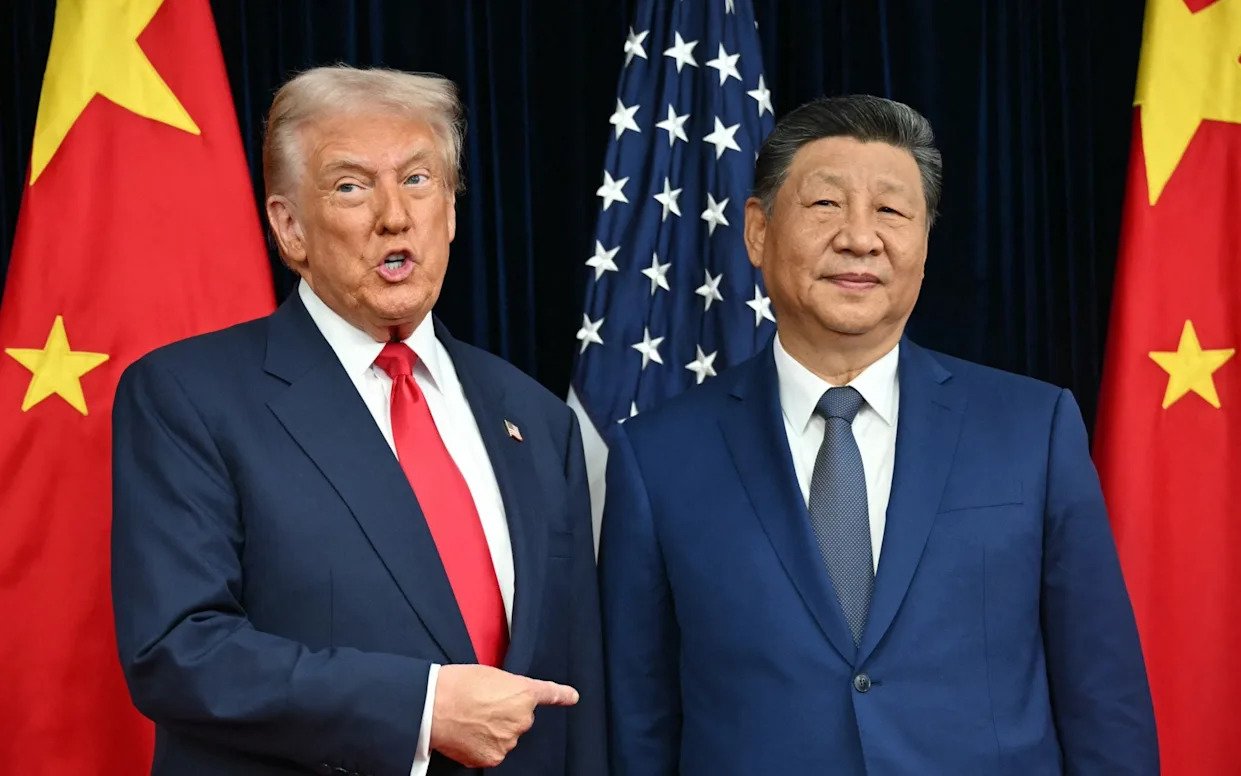
China’s Trade Surplus Surges Past One Trillion Dollars Despite U.S. Tariff Pressure
Beijing posts a historic surplus as export growth to Europe and Asia outweighs reduced shipments to the United States under Trump-era tariffs
China has recorded a global trade surplus surpassing one trillion dollars for the first time, achieving the milestone even as exports to the United States declined sharply under tariff measures introduced during the administration of former U.S. President Donald Trump.
Newly released customs data show that China’s export sector continued to expand across Europe, Southeast Asia, Africa and Latin America, offsetting the nearly thirty-percent drop in goods shipped to the American market.
In November alone, China posted a surplus of more than one hundred eleven billion dollars, supported by a year-on-year increase in exports of nearly six percent and a more modest rise in imports.
Strong global demand for electronics, automotive products and high-technology equipment helped sustain overall export momentum even as U.S. tariffs remained in place.
Chinese officials emphasised that the record surplus reflects the resilience and global reach of the country’s manufacturing base.
Premier Li Qiang used the occasion to call for renewed international commitment to open markets, arguing that protectionist measures distort supply chains and ultimately burden consumers.
Analysts note that China’s diversification strategy — expanding trade with multiple regions while maintaining competitive pricing — has been central to its export stability.
With domestic demand still uneven, Beijing appears poised to continue relying on manufacturing strength and international sales as core drivers of economic growth.
The crossing of the one-trillion-dollar threshold marks a defining moment in global trade dynamics, signalling China’s ability to navigate external pressures and consolidate its position as a dominant force in worldwide commerce.
Newly released customs data show that China’s export sector continued to expand across Europe, Southeast Asia, Africa and Latin America, offsetting the nearly thirty-percent drop in goods shipped to the American market.
In November alone, China posted a surplus of more than one hundred eleven billion dollars, supported by a year-on-year increase in exports of nearly six percent and a more modest rise in imports.
Strong global demand for electronics, automotive products and high-technology equipment helped sustain overall export momentum even as U.S. tariffs remained in place.
Chinese officials emphasised that the record surplus reflects the resilience and global reach of the country’s manufacturing base.
Premier Li Qiang used the occasion to call for renewed international commitment to open markets, arguing that protectionist measures distort supply chains and ultimately burden consumers.
Analysts note that China’s diversification strategy — expanding trade with multiple regions while maintaining competitive pricing — has been central to its export stability.
With domestic demand still uneven, Beijing appears poised to continue relying on manufacturing strength and international sales as core drivers of economic growth.
The crossing of the one-trillion-dollar threshold marks a defining moment in global trade dynamics, signalling China’s ability to navigate external pressures and consolidate its position as a dominant force in worldwide commerce.