Focus on the BIG picture.
Tuesday, Nov 24, 2026

DeepMind Workers in the UK Move to Unionize as Military AI Work Raises Ethical Tensions

DeepMind Workers in the UK Move to Unionize as Military AI Work Raises Ethical Tensions

Staff at Google DeepMind organize amid growing concern over defense-related contracts and the governance of advanced AI systems
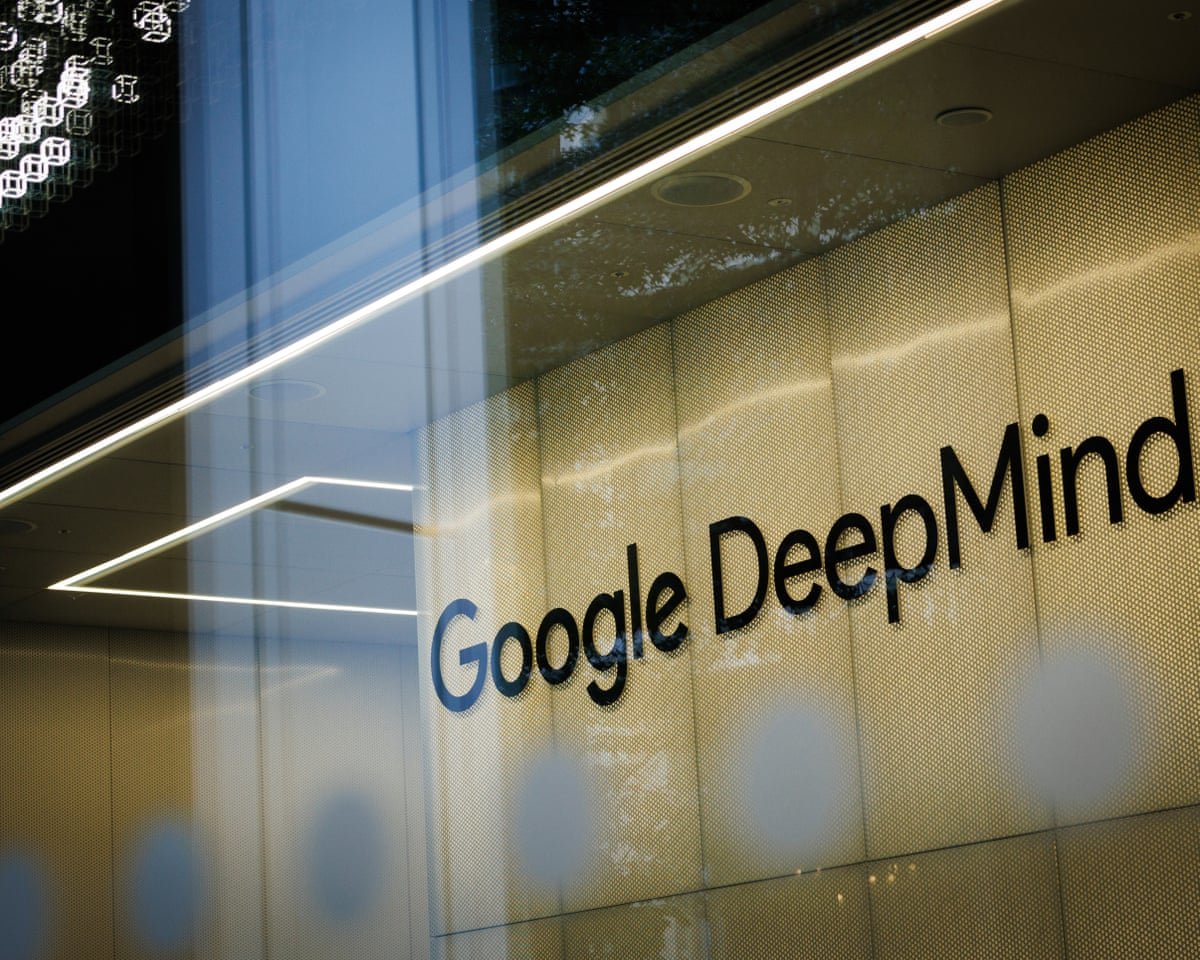
A structural shift in labor organization within one of the world’s most influential artificial intelligence laboratories is underway, as workers at Google DeepMind in the United Kingdom move to unionize while the company’s work increasingly intersects with defense-related applications.

What is confirmed is that employees at Google DeepMind have taken formal steps toward unionization under the Communication Workers Union in the UK, reflecting growing internal concern over workplace governance, ethical boundaries, and the direction of artificial intelligence development inside a subsidiary of Alphabet, Google’s parent company.

The organizing effort comes at a sensitive moment for the AI industry, as leading firms expand partnerships with government and defense institutions.

DeepMind itself has long positioned its research as focused on scientific and commercial applications such as healthcare, language models, and complex systems optimization.

However, broader corporate activity within Alphabet, including collaborations with military and defense-adjacent entities, has intensified scrutiny among employees concerned about downstream uses of AI technologies.

The key issue is not a single contract but the governance framework that determines how advanced AI systems are developed, evaluated, and deployed.

Workers involved in unionization efforts are seeking stronger internal mechanisms to influence ethical decision-making, including transparency around client relationships, clearer red lines on military use cases, and more formal protections for employees raising concerns about the societal impact of their work.

This development reflects a wider trend in the technology sector, where highly skilled workers in AI, cloud computing, and platform engineering have increasingly questioned how their work is used by governments and defense agencies.

Similar labor organizing efforts have emerged in other major technology companies, particularly around issues of surveillance technology, autonomous systems, and dual-use AI.

The defense dimension adds additional complexity.

Artificial intelligence is now considered strategically critical by major powers, with governments investing heavily in machine learning systems for intelligence analysis, logistics, cyber defense, and decision support.

This creates structural pressure on private AI companies, which must balance commercial research goals with lucrative government contracts and national security partnerships.

For Google DeepMind, the reputational stakes are significant.

The company has historically emphasized safety research and long-term alignment of advanced AI systems with human values.

Internal dissent over military-related applications introduces tension between that public positioning and the realities of operating within a global technology conglomerate that supplies infrastructure and services to both civilian and government clients.

From a labor perspective, unionization represents a shift in how AI researchers and engineers are asserting influence over corporate decision-making.

While technology firms have traditionally relied on internal review boards and ethics teams, employees are increasingly seeking legally recognized bargaining structures that can enforce accountability beyond advisory frameworks.

The consequences of this organizing effort extend beyond workplace conditions.

As AI systems become more capable and widely deployed, the question of who controls their development—and under what constraints—has become central to debates about regulation, safety, and geopolitical competition.

Worker-led organization adds a new layer of pressure on companies already navigating regulatory scrutiny in Europe, the United States, and other jurisdictions.

The immediate outcome is the formal establishment of union representation efforts within DeepMind’s UK workforce, marking a notable moment in the intersection of artificial intelligence development, labor rights, and defense-linked technology governance.
Newsletter

Related Articles

0:00
0:00
Close
Record One Hundred Sixty-Two Women Confirmed for Incoming One Hundred Twentieth United States Congress
First Lady Melania Trump Welcomes Eighteen-Foot Wisconsin Concolor Fir as Twenty-Twenty-Six White House Christmas Tree
San Antonio Spurs Guard Dylan Harper Sidelined Up to Three Weeks With Hip Strain in National Basketball Association Update
San Francisco Forty-Niners Defeat Minnesota Vikings Thirty-Five to Ten in National Football League Mexico City Showcase
Supreme Court Justice Sonia Sotomayor Addresses Judicial Term Limits Ahead of December Oral Arguments
House Democrats Secure Two-Hundred-Fifty-Eight-Seat Majority Following North Carolina Recount Victory
Federal Judge Blocks Construction of President Trump's Proposed Triumphal Arch Near Arlington National Cemetery
Department of Justice and Department of Commerce Investigate Singapore Firm Megaspeed Over Suspected Nvidia Chip Diversions
House Lawmakers Urge Purge of Chinese Open-Weight Artificial Intelligence Models From Federal Systems and Infrastructure
Federal Reserve Board Releases Senior Bank Financial Officers Survey Amid Persistent Inflation Pressure
Federal Communications Commission Moves Toward Case-by-Case Review of Local Television Station Ownership Caps
Legal and Civil Rights Organizations Petition Supreme Court to Halt Third-Country Deportations of Vulnerable Migrants
United States Army Invokes Emergency Powers to Detonate Toxic Explosives in Iowa Despite Court Scrutiny
East and West Coast Storm Systems Threaten Thanksgiving Travel and New York City Parade Balloons
Delta Air Lines Automation System Glitches Disrupt Flights Nationwide as Thanksgiving Holiday Travel Begins
Department of Justice Announces First Criminal Enforcement Action Under Foreign Extortion Prevention Act
Department of Justice Files Forfeiture Action to Recover More Than One Billion United States Dollars in North Korean Stolen Cryptocurrency
Department of Commerce Issues Export Rule Restricting Remote Cloud Access to Advanced Artificial Intelligence Chips
United States Supreme Court Declines Appeal, Leaving Block on University of California Research Grant Cuts in Place
Major United States Banks Tighten Controls on Autonomous Artificial Intelligence Agents Over Safeguard Concerns
White House Executive Order Directs Federal Contractors to Notify Executive Branch Before Answering Congressional Inquiries
Twenty-Two States and District of Columbia Sue Trump Administration Over Rule Barring Mixed-Status Families From Housing Aid
Fifth Circuit Appeals Court Strikes Down Pregnant Workers Fairness Act Over Pandemic-Era House Proxy Voting
United States and Iran Escalate Strait of Hormuz Naval Blockade Standoff as Energy and Yield Pressures Mount
Nvidia Reinstates Jensen Huang as Chief Executive Officer, Sparking Sharp Wall Street Rebound
Record One Hundred Sixty-Two Women Elected to Incoming One Hundred Twentieth United States Congress
Department of Justice Secures Sentencing in Elder Fraud Scheme Involving Fabricated Child Death
First Lady Melania Trump Welcomes Eighteen-Foot Wisconsin Concolor Fir as Twenty-Twenty-Six White House Christmas Tree
Federal Technology Workforce Cuts Draw Renewed Scrutiny Over Aging Agency Information Systems
House Lawmakers Press Leadership Over Aviation and Air Traffic Control Modernization Funding Ahead of Year-End Deadline
Department of Homeland Security Highlights Nationwide Immigration Enforcement Arrests Targeting Violent Offenders
Senator Tammy Baldwin Introduces Legislation to Revoke China's Permanent Normal Trade Relations Status
Commerce and Justice Departments Investigate Singapore-Based Megaspeed Over Suspected Nvidia Chip Diversions to China
Department of Homeland Security Inspector General Draft Faults Loosened Immigration Officer Training Standards
Senate Democrats Debate Post-Election Leadership Transition as Some Urge Chuck Schumer to Step Aside
Treasury Department Prepares Regulatory Review on Outbound Investment Security Rules Targeting Strategic Chinese Sectors
Senate Committee Advances One-Point-One-Trillion-Dollar Defense Bill Boosting Semiconductor Security and Export Enforcement
Commerce Department Releases Long-Delayed Export Rule Restricting Remote Cloud Access to Advanced Artificial Intelligence Chips
House China Committee and Homeland Security Chairs Urge Removal of Chinese Open-Weight Artificial Intelligence Models From Federal Systems
Legal and Civil Rights Groups Urge Supreme Court to Block Third-Country Deportations of LGBTQ and Vulnerable Migrants
Federal Judge Blocks Construction of President Trump's Proposed Triumphal Arch Near Arlington National Cemetery
President Trump Halts Army Detonation of Toxic Explosives in Iowa Pending Federal Court Approval
President Trump Directs Aides to Assist Senator Bill Cassidy's Bipartisan Social Security Solvency Push
Lawmakers Depart Washington for Thanksgiving Recess Ahead of High-Stakes Lame-Duck Appropriations Battle
Federal Reserve Board Releases Senior Bank Financial Officers Survey as Rising Inflation Pressures Rate Outlook
Department of Homeland Security Secretary Markwayne Mullin and Intelligence Leaders Testify on Global Threats to Homeland
Department of Justice Announces First Enforcement Action Under Foreign Extortion Prevention Act
Department of Justice Files Action to Recover More Than One Billion Dollars in North Korean Stolen Cryptocurrency Assets
Fifth Circuit Appeals Court Rules Congressional Pandemic-Era Proxy Voting Unconstitutional in Nine-to-Eight Decision
Supreme Court Declines Trump Administration Appeal, Leaving Block on University of California Research Funding Cuts in Place
×