Focus on the BIG picture.
Thursday, Apr 16, 2026
Outside the box.

0:00
0:00
In Wake of Iran Strikes, Trump Embarks on Unprecedented Round of One-on-One Media Calls
President uses direct journalist interviews to shape public understanding of U.S.-Israel military offensive and national security objectives
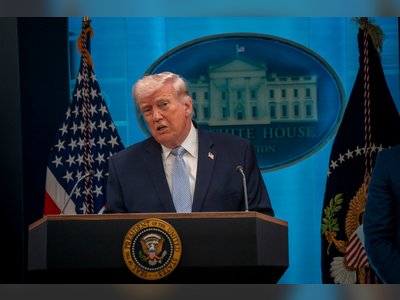
In the days after the United States and Israel launched major military operations against Iran, President Donald Trump initiated an intensive and highly unconventional media outreach campaign, granting a series of brief one-on-one interviews to journalists from a wide spectrum of news outlets.
The strategy, described by White House officials as a demonstration of transparency and accessibility, marks a departure from traditional presidential communication practices and reflects a deliberate effort to shape public perceptions of U.S. military action and strategic goals.
Since the joint strikes began, Trump has conducted phone interviews with reporters from major national and international outlets spanning broadcast, cable and print media.
The president’s outreach included brief conversations — some lasting under a minute — with correspondents from leading networks and newspapers as well as international broadcasters, giving him the opportunity to present his narrative directly to the American people and global audiences without the formality of a traditional press conference or Oval Office address.
According to accounts from journalists who participated, many calls were tightly timed, with Trump often ending discussions abruptly after making key points.
Administration officials defended the approach, asserting it allowed Trump to reach diverse audiences and reinforce the rationale for what U.S. leaders have described as necessary defensive and strategic objectives in response to Iranian threats.
The White House emphasised that, amid an active military conflict, direct dialogue with media provides real-time explanation of policy choices and national security considerations.
Supporters of the president have praised the accessibility of this communications strategy, noting its potential to broaden understanding of the government’s actions beyond traditional political audiences.
Critics, including media scholars and political commentators, have questioned the effectiveness of brief calls in conveying complex geopolitical context, arguing that the format limits substantive engagement and reduces opportunities for rigorous questioning.
Some commentators noted that the absence of a large-scale, live address on the conflict shifted the public briefing burden onto individual reporters and fragmented national coverage across disparate outlets.
The surge in personalised media conversations underscores the Trump administration’s emphasis on controlling the narrative during an unprecedented wartime context.
As the conflict continues to evolve, the president’s communications strategy is likely to remain a central component of his engagement with both domestic and international audiences, reflecting a blend of direct outreach and targeted messaging tailored to varied media platforms.
The strategy, described by White House officials as a demonstration of transparency and accessibility, marks a departure from traditional presidential communication practices and reflects a deliberate effort to shape public perceptions of U.S. military action and strategic goals.
Since the joint strikes began, Trump has conducted phone interviews with reporters from major national and international outlets spanning broadcast, cable and print media.
The president’s outreach included brief conversations — some lasting under a minute — with correspondents from leading networks and newspapers as well as international broadcasters, giving him the opportunity to present his narrative directly to the American people and global audiences without the formality of a traditional press conference or Oval Office address.
According to accounts from journalists who participated, many calls were tightly timed, with Trump often ending discussions abruptly after making key points.
Administration officials defended the approach, asserting it allowed Trump to reach diverse audiences and reinforce the rationale for what U.S. leaders have described as necessary defensive and strategic objectives in response to Iranian threats.
The White House emphasised that, amid an active military conflict, direct dialogue with media provides real-time explanation of policy choices and national security considerations.
Supporters of the president have praised the accessibility of this communications strategy, noting its potential to broaden understanding of the government’s actions beyond traditional political audiences.
Critics, including media scholars and political commentators, have questioned the effectiveness of brief calls in conveying complex geopolitical context, arguing that the format limits substantive engagement and reduces opportunities for rigorous questioning.
Some commentators noted that the absence of a large-scale, live address on the conflict shifted the public briefing burden onto individual reporters and fragmented national coverage across disparate outlets.
The surge in personalised media conversations underscores the Trump administration’s emphasis on controlling the narrative during an unprecedented wartime context.
As the conflict continues to evolve, the president’s communications strategy is likely to remain a central component of his engagement with both domestic and international audiences, reflecting a blend of direct outreach and targeted messaging tailored to varied media platforms.