Focus on the BIG picture.
Saturday, May 23, 2026
Outside the box.

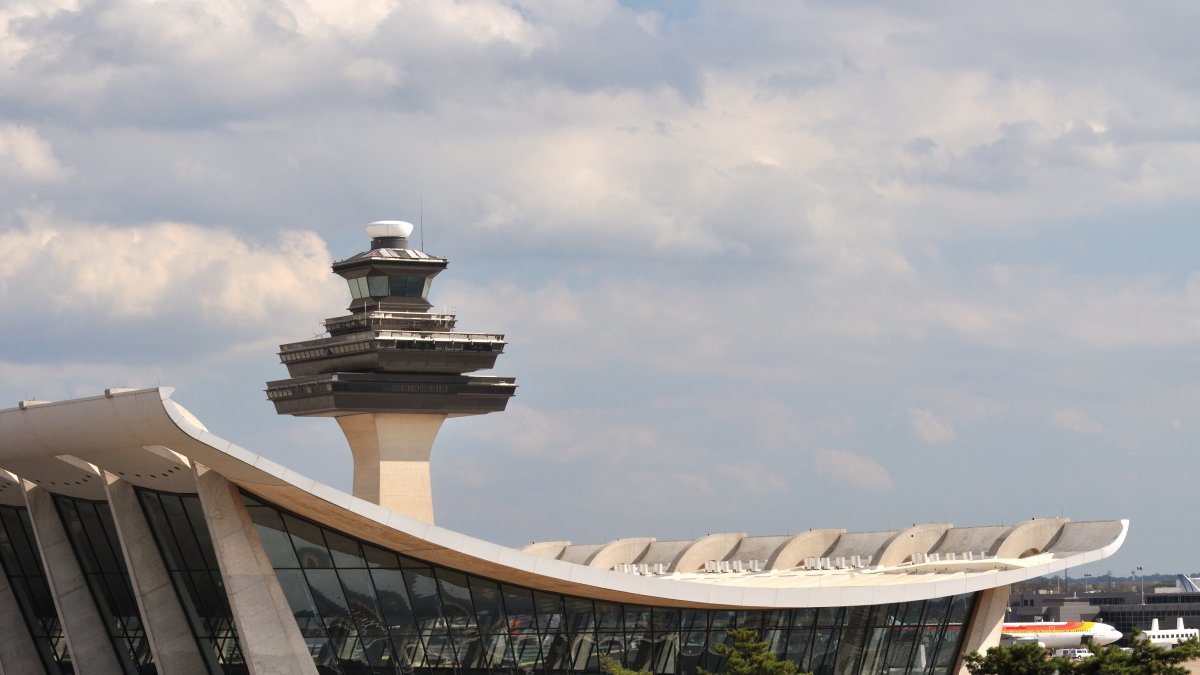
International Flight Diverts to Dulles After Midair Passenger Incident Triggers Security Response
Crew members and passengers restrained a traveler accused of attempting to interfere with an aircraft door during a transatlantic flight, forcing an emergency diversion to Washington Dulles International Airport.
EVENT-DRIVEN circumstances define the diversion of an international commercial flight to Washington Dulles International Airport after a passenger allegedly attempted to open an aircraft door while the plane was cruising at approximately thirty-six thousand feet.
The incident triggered an onboard security response involving flight attendants, passengers, pilots, and federal authorities.
What is confirmed is that the aircraft diverted from its scheduled route after crew members reported disruptive and threatening passenger behavior during the flight.
The individual was restrained before the aircraft landed safely at Dulles, where law enforcement officers and federal agencies met the plane on arrival.
The attempted interference with the aircraft door became the central operational concern because any effort to tamper with cabin exits during flight is treated as a severe aviation security event regardless of whether the door can physically be opened under cruising pressurization conditions.
Modern commercial aircraft doors are designed to remain sealed at altitude due to cabin pressure differences, making accidental or intentional opening during normal cruise flight effectively impossible.
However, attempts to manipulate exits can still create panic, injury risk, crew distraction, and broader security threats inside the cabin.
The mechanism of the response followed established aviation security procedures.
Flight attendants initially attempted verbal de-escalation before the situation escalated into physical restraint.
Pilots then coordinated with air traffic control to reroute the aircraft to the nearest suitable airport capable of handling a security-related emergency landing.
Dulles, one of the primary international gateways on the US East Coast, was selected because of its operational capacity and federal law enforcement presence.
Passengers on board described scenes of confusion and alarm during the confrontation, though no catastrophic depressurization or structural failure occurred.
Reports indicate the aircraft remained operationally stable throughout the diversion and landed without injury to the broader passenger group.
The incident reflects a broader pattern confronting airlines and aviation regulators since the pandemic era, during which unruly passenger cases rose sharply across multiple international carriers.
While the overall number of severe incidents has fluctuated year to year, aviation authorities continue to classify interference with flight crews and aircraft systems as among the highest-risk categories of passenger misconduct.
Federal aviation enforcement mechanisms have become significantly more aggressive in response to such cases.
Individuals accused of interfering with crew duties or threatening aircraft safety can face criminal prosecution, heavy financial penalties, placement on airline no-fly lists, or federal imprisonment depending on the severity of the allegations and resulting operational disruption.
The practical consequences of a diversion extend far beyond the immediate security incident.
Emergency rerouting disrupts air traffic scheduling, increases fuel and operational costs, delays connecting passengers, strains crew duty-hour limits, and requires security inspections before aircraft can return to service.
For international routes, diversions can also create immigration, customs, and passenger processing complications.
The Dulles diversion ended with the passenger removed from the aircraft under law enforcement supervision, reinforcing the aviation industry’s zero-tolerance approach toward onboard behavior that threatens flight safety or interferes with crew operations.
The incident triggered an onboard security response involving flight attendants, passengers, pilots, and federal authorities.
What is confirmed is that the aircraft diverted from its scheduled route after crew members reported disruptive and threatening passenger behavior during the flight.
The individual was restrained before the aircraft landed safely at Dulles, where law enforcement officers and federal agencies met the plane on arrival.
The attempted interference with the aircraft door became the central operational concern because any effort to tamper with cabin exits during flight is treated as a severe aviation security event regardless of whether the door can physically be opened under cruising pressurization conditions.
Modern commercial aircraft doors are designed to remain sealed at altitude due to cabin pressure differences, making accidental or intentional opening during normal cruise flight effectively impossible.
However, attempts to manipulate exits can still create panic, injury risk, crew distraction, and broader security threats inside the cabin.
The mechanism of the response followed established aviation security procedures.
Flight attendants initially attempted verbal de-escalation before the situation escalated into physical restraint.
Pilots then coordinated with air traffic control to reroute the aircraft to the nearest suitable airport capable of handling a security-related emergency landing.
Dulles, one of the primary international gateways on the US East Coast, was selected because of its operational capacity and federal law enforcement presence.
Passengers on board described scenes of confusion and alarm during the confrontation, though no catastrophic depressurization or structural failure occurred.
Reports indicate the aircraft remained operationally stable throughout the diversion and landed without injury to the broader passenger group.
The incident reflects a broader pattern confronting airlines and aviation regulators since the pandemic era, during which unruly passenger cases rose sharply across multiple international carriers.
While the overall number of severe incidents has fluctuated year to year, aviation authorities continue to classify interference with flight crews and aircraft systems as among the highest-risk categories of passenger misconduct.
Federal aviation enforcement mechanisms have become significantly more aggressive in response to such cases.
Individuals accused of interfering with crew duties or threatening aircraft safety can face criminal prosecution, heavy financial penalties, placement on airline no-fly lists, or federal imprisonment depending on the severity of the allegations and resulting operational disruption.
The practical consequences of a diversion extend far beyond the immediate security incident.
Emergency rerouting disrupts air traffic scheduling, increases fuel and operational costs, delays connecting passengers, strains crew duty-hour limits, and requires security inspections before aircraft can return to service.
For international routes, diversions can also create immigration, customs, and passenger processing complications.
The Dulles diversion ended with the passenger removed from the aircraft under law enforcement supervision, reinforcing the aviation industry’s zero-tolerance approach toward onboard behavior that threatens flight safety or interferes with crew operations.