Focus on the BIG picture.
Monday, May 25, 2026
Outside the box.

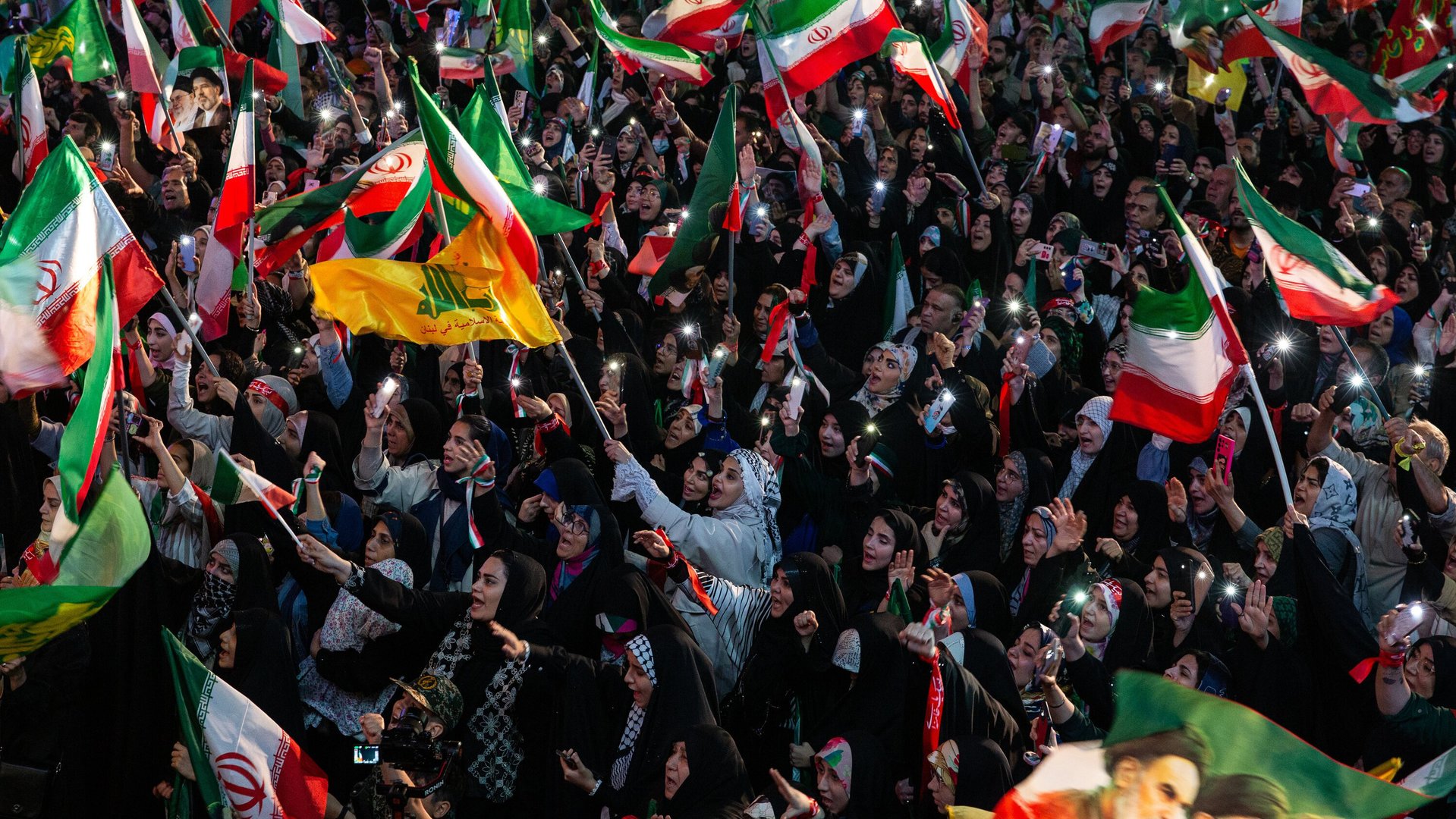
Iran Signals Confidence as Nuclear Talks With Washington Shift Into Sanctions and Security Bargaining
Tehran is increasingly framing renewed negotiations with the United States as proof that economic pressure failed, even as major disputes over sanctions relief, uranium enrichment and regional security remain unresolved.
The Iranian government is projecting a narrative of strategic success as indirect negotiations with the United States move deeper into discussions over sanctions relief, nuclear restrictions and regional security arrangements.
Iranian officials, state media and political figures close to Supreme Leader Ayatollah Ali Khamenei have increasingly portrayed the current diplomatic process as evidence that Washington was ultimately forced back to the negotiating table after years of maximum-pressure sanctions, military threats and attempts to isolate Tehran economically.
The core of the dispute is Iran’s nuclear program and the broader balance of power in the Middle East.
The talks, mediated primarily through regional intermediaries, are aimed at preventing further escalation between Iran and the United States while addressing growing concerns over Tehran’s uranium enrichment capabilities.
What is confirmed is that diplomatic engagement between the two sides has intensified after months of regional instability involving Israel, attacks by Iran-backed armed groups, maritime disruptions and fears of a wider regional war.
Both Washington and Tehran have publicly acknowledged indirect contacts, though neither side has announced a finalized agreement.
Iranian officials are presenting the negotiations domestically as a victory of endurance rather than compromise.
That framing is politically important inside Iran, where the leadership has spent years arguing that resistance to Western pressure would eventually force the United States to soften its position.
The message is directed at multiple audiences simultaneously.
Internally, Tehran is attempting to reassure a population battered by inflation, sanctions and currency collapse that diplomacy is occurring on Iranian terms.
Regionally, Iran wants to signal resilience to allies and rivals alike.
Internationally, it seeks to demonstrate that it remains too economically and strategically significant to isolate permanently.
The United States is approaching the negotiations from a different position.
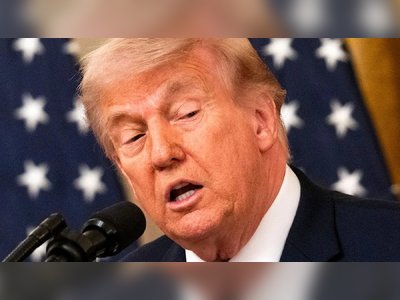
President Donald Trump returned to office promising a tougher regional posture while also emphasizing his preference for negotiated settlements over prolonged military confrontation.
His administration has combined aggressive rhetoric toward Iran with signals that it is open to a deal capable of reducing nuclear tensions and stabilizing energy markets.
That balancing act has produced skepticism across multiple fronts.
Iranian hardliners distrust Washington after the United States withdrew from the original 2015 nuclear agreement during Trump’s first presidency.
Meanwhile, Israeli officials and several Gulf security analysts remain concerned that any partial agreement could leave Iran with substantial nuclear infrastructure intact while unlocking economic relief.
The key issue is not whether negotiations are happening.
The key issue is whether the two sides can reconcile fundamentally different definitions of success.
Iran wants meaningful sanctions relief, access to frozen financial assets, expanded oil exports and recognition of what it describes as its legitimate right to civilian nuclear enrichment.
Tehran also wants guarantees against another unilateral American withdrawal from any future agreement.
Washington, by contrast, is focused on limiting uranium enrichment levels, expanding inspection access and reducing the risk of rapid Iranian nuclear breakout capability.
The United States is also attempting to contain broader regional escalation involving Iranian-aligned militias operating in Iraq, Syria, Lebanon and the Red Sea.
Iran’s negotiating position has strengthened in several ways since the collapse of the original nuclear accord.
Tehran has expanded its enrichment capacity, deepened economic ties with China, improved relations with Saudi Arabia and strengthened military cooperation with Russia.
Those developments have reduced — though not eliminated — the impact of Western isolation.
At the same time, Iran faces severe domestic economic strain.
Inflation remains high, the national currency has suffered repeated collapses and many ordinary Iranians continue to face declining purchasing power.
The government therefore has strong incentives to secure at least partial sanctions relief even while publicly rejecting the appearance of concession.
The negotiations are also unfolding during a period of broader geopolitical fragmentation.
The wars in Gaza and Ukraine, instability in Red Sea shipping lanes and volatility in global oil markets have increased the strategic importance of avoiding a direct US-Iran military confrontation.
Energy markets are particularly sensitive to the outcome.
Iran remains one of the world’s major oil producers, and any agreement easing restrictions on exports could affect global crude supply, shipping patterns and regional investment flows.
Conversely, failed diplomacy combined with renewed escalation could sharply increase risks to Gulf energy infrastructure and international maritime trade.
Another major factor is Israel’s position.
Israeli leaders have repeatedly warned that they will not accept an arrangement that leaves Iran close to weapons-grade nuclear capability.
Tehran insists its nuclear program is civilian in nature, while Western intelligence assessments continue to warn that Iran possesses the technical capacity to move rapidly toward higher enrichment if it chooses.
What remains clear is that both sides currently see value in keeping negotiations alive.
Iran is using the process to project strategic resilience and diplomatic legitimacy.
Washington is attempting to reduce the risk of another major Middle East conflict while preserving leverage through sanctions and military deterrence.
The practical outcome so far is a fragile but active diplomatic channel that has lowered immediate fears of direct confrontation while shifting the regional contest from open escalation toward high-stakes bargaining over sanctions, nuclear limits and long-term security architecture.
Iranian officials, state media and political figures close to Supreme Leader Ayatollah Ali Khamenei have increasingly portrayed the current diplomatic process as evidence that Washington was ultimately forced back to the negotiating table after years of maximum-pressure sanctions, military threats and attempts to isolate Tehran economically.
The core of the dispute is Iran’s nuclear program and the broader balance of power in the Middle East.
The talks, mediated primarily through regional intermediaries, are aimed at preventing further escalation between Iran and the United States while addressing growing concerns over Tehran’s uranium enrichment capabilities.
What is confirmed is that diplomatic engagement between the two sides has intensified after months of regional instability involving Israel, attacks by Iran-backed armed groups, maritime disruptions and fears of a wider regional war.
Both Washington and Tehran have publicly acknowledged indirect contacts, though neither side has announced a finalized agreement.
Iranian officials are presenting the negotiations domestically as a victory of endurance rather than compromise.
That framing is politically important inside Iran, where the leadership has spent years arguing that resistance to Western pressure would eventually force the United States to soften its position.
The message is directed at multiple audiences simultaneously.
Internally, Tehran is attempting to reassure a population battered by inflation, sanctions and currency collapse that diplomacy is occurring on Iranian terms.
Regionally, Iran wants to signal resilience to allies and rivals alike.
Internationally, it seeks to demonstrate that it remains too economically and strategically significant to isolate permanently.
The United States is approaching the negotiations from a different position.
President Donald Trump returned to office promising a tougher regional posture while also emphasizing his preference for negotiated settlements over prolonged military confrontation.
His administration has combined aggressive rhetoric toward Iran with signals that it is open to a deal capable of reducing nuclear tensions and stabilizing energy markets.
That balancing act has produced skepticism across multiple fronts.
Iranian hardliners distrust Washington after the United States withdrew from the original 2015 nuclear agreement during Trump’s first presidency.
Meanwhile, Israeli officials and several Gulf security analysts remain concerned that any partial agreement could leave Iran with substantial nuclear infrastructure intact while unlocking economic relief.
The key issue is not whether negotiations are happening.
The key issue is whether the two sides can reconcile fundamentally different definitions of success.
Iran wants meaningful sanctions relief, access to frozen financial assets, expanded oil exports and recognition of what it describes as its legitimate right to civilian nuclear enrichment.
Tehran also wants guarantees against another unilateral American withdrawal from any future agreement.
Washington, by contrast, is focused on limiting uranium enrichment levels, expanding inspection access and reducing the risk of rapid Iranian nuclear breakout capability.
The United States is also attempting to contain broader regional escalation involving Iranian-aligned militias operating in Iraq, Syria, Lebanon and the Red Sea.
Iran’s negotiating position has strengthened in several ways since the collapse of the original nuclear accord.
Tehran has expanded its enrichment capacity, deepened economic ties with China, improved relations with Saudi Arabia and strengthened military cooperation with Russia.
Those developments have reduced — though not eliminated — the impact of Western isolation.
At the same time, Iran faces severe domestic economic strain.
Inflation remains high, the national currency has suffered repeated collapses and many ordinary Iranians continue to face declining purchasing power.
The government therefore has strong incentives to secure at least partial sanctions relief even while publicly rejecting the appearance of concession.
The negotiations are also unfolding during a period of broader geopolitical fragmentation.
The wars in Gaza and Ukraine, instability in Red Sea shipping lanes and volatility in global oil markets have increased the strategic importance of avoiding a direct US-Iran military confrontation.
Energy markets are particularly sensitive to the outcome.
Iran remains one of the world’s major oil producers, and any agreement easing restrictions on exports could affect global crude supply, shipping patterns and regional investment flows.
Conversely, failed diplomacy combined with renewed escalation could sharply increase risks to Gulf energy infrastructure and international maritime trade.
Another major factor is Israel’s position.
Israeli leaders have repeatedly warned that they will not accept an arrangement that leaves Iran close to weapons-grade nuclear capability.
Tehran insists its nuclear program is civilian in nature, while Western intelligence assessments continue to warn that Iran possesses the technical capacity to move rapidly toward higher enrichment if it chooses.
What remains clear is that both sides currently see value in keeping negotiations alive.
Iran is using the process to project strategic resilience and diplomatic legitimacy.
Washington is attempting to reduce the risk of another major Middle East conflict while preserving leverage through sanctions and military deterrence.
The practical outcome so far is a fragile but active diplomatic channel that has lowered immediate fears of direct confrontation while shifting the regional contest from open escalation toward high-stakes bargaining over sanctions, nuclear limits and long-term security architecture.