Focus on the BIG picture.
Sunday, Dec 07, 2025
Outside the box.

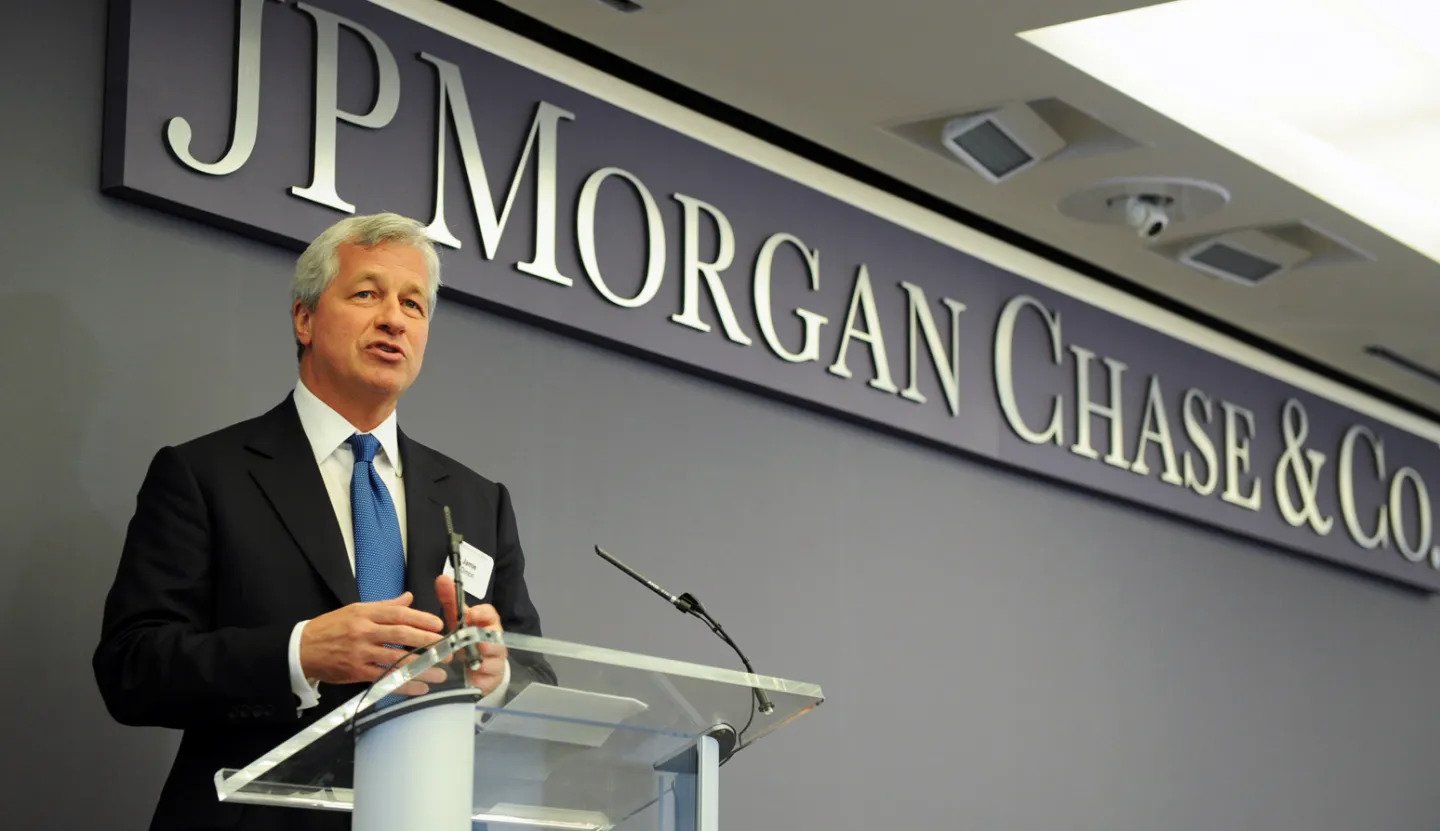
JPMorgan CEO Jamie Dimon says Europe has a ‘real problem’
JPMorgan CEO says Europe’s ‘slow bureaucracy’ and economic stagnation endanger both the continent and allied interests
JPMorgan Chase chief executive Jamie Dimon has delivered a stark warning to European leaders, declaring that the continent faces a serious economic crisis — one he described bluntly as Europe having “a real problem.” His remarks, made at the Reagan National Defense Forum on 6 December, underscored how Europe’s slow-moving bureaucracy and regulatory inertia have driven away investment, innovation and business activity, in his view posing a systemic risk not only to Europe but also to the United States.
Dimon acknowledged that Europe nonetheless continues to deliver strong social protections and safety nets.
But he argued those have come at the cost of competitiveness: “They’ve driven investment out, they’ve driven innovation out,” he said.
For multinational corporations and global capital markets, prolonged sluggishness across Europe may undermine not only regional growth, but also transatlantic economic ties — alarming for investors and policymakers alike.
The warning echoes earlier remarks Dimon made this year in Dublin, where he lamented that Europe’s share of output relative to the United States had fallen sharply — from roughly 90 percent to 65 percent — over the last decade to 15 years.
He repeatedly insisted that without deep structural reform and decisive steps toward integration — including a robust single market and streamlined regulation — the region risks further decline in global influence.
Dimon’s intervention arrives at a moment of mounting concern over Europe’s economic trajectory: slower growth, fragmented capital markets, regulatory fragmentation and a shortage of globally competitive firms.
Alongside geopolitical uncertainty and global competition from the United States and Asia, the remarks highlight the challenges confronting European unity and long-term resilience.
While Dimon hauded certain European leaders for recognising the issues, he cautioned that political inertia remains formidable.
He argued that if Europe fails to reform, the resulting weakness may reverberate beyond its borders — eroding a strategic ally’s strength and undermining global economic stability.
Dimon urged U.S. and European policymakers to consider a coordinated long-term strategy to bolster the region’s competitiveness, strengthen cross-border cooperation and revive investor confidence — steps he said are vital not only for Europe’s economic future, but for the wider transatlantic partnership.
As the European Union debates its next phase of economic reform, Dimon’s warning stands as a provocative call: Europe’s future, its competitiveness, and its global relevance may depend on whether its leaders can match rhetoric with action.
Dimon acknowledged that Europe nonetheless continues to deliver strong social protections and safety nets.
But he argued those have come at the cost of competitiveness: “They’ve driven investment out, they’ve driven innovation out,” he said.
For multinational corporations and global capital markets, prolonged sluggishness across Europe may undermine not only regional growth, but also transatlantic economic ties — alarming for investors and policymakers alike.
The warning echoes earlier remarks Dimon made this year in Dublin, where he lamented that Europe’s share of output relative to the United States had fallen sharply — from roughly 90 percent to 65 percent — over the last decade to 15 years.
He repeatedly insisted that without deep structural reform and decisive steps toward integration — including a robust single market and streamlined regulation — the region risks further decline in global influence.
Dimon’s intervention arrives at a moment of mounting concern over Europe’s economic trajectory: slower growth, fragmented capital markets, regulatory fragmentation and a shortage of globally competitive firms.
Alongside geopolitical uncertainty and global competition from the United States and Asia, the remarks highlight the challenges confronting European unity and long-term resilience.
While Dimon hauded certain European leaders for recognising the issues, he cautioned that political inertia remains formidable.
He argued that if Europe fails to reform, the resulting weakness may reverberate beyond its borders — eroding a strategic ally’s strength and undermining global economic stability.
Dimon urged U.S. and European policymakers to consider a coordinated long-term strategy to bolster the region’s competitiveness, strengthen cross-border cooperation and revive investor confidence — steps he said are vital not only for Europe’s economic future, but for the wider transatlantic partnership.
As the European Union debates its next phase of economic reform, Dimon’s warning stands as a provocative call: Europe’s future, its competitiveness, and its global relevance may depend on whether its leaders can match rhetoric with action.