Focus on the BIG picture.
Saturday, Feb 21, 2026
Outside the box.

0:00
0:00
Justice Department Faces Strain as White House Intensifies Focus on Voter Integrity
Federal prosecutors navigate internal debate while the administration advances expanded election oversight initiatives
The U.S. Department of Justice is navigating internal and external pressures as the White House advances a renewed push to investigate and deter voter fraud, elevating election integrity as a central policy priority.
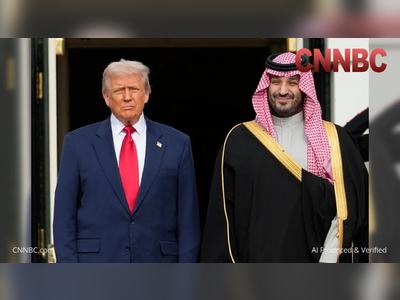
President Donald Trump has repeatedly emphasized the importance of safeguarding the ballot, framing the effort as essential to public confidence in American democracy and the rule of law.
Senior administration officials have signaled that enhanced coordination between federal agencies and state authorities will be key to identifying irregularities, strengthening data-sharing mechanisms and ensuring consistent enforcement of existing statutes.
The White House maintains that credible election oversight is fundamental to national stability and has urged federal prosecutors to pursue substantiated cases wherever evidence warrants.
Within the Justice Department, officials are reportedly weighing how to allocate resources and interpret long-standing legal guidelines governing federal involvement in elections.
Career prosecutors traditionally exercise caution in bringing voter fraud cases, citing the need for clear evidence and the sensitivity of election-related matters.
Administration allies argue that modern technological tools and interagency cooperation provide new opportunities to address vulnerabilities that may previously have gone undetected.
The renewed emphasis comes amid broader political debate over the prevalence and impact of voter fraud.
While numerous studies over the past decade have found limited instances of widespread systemic abuse, supporters of the administration contend that even isolated irregularities can undermine public trust and warrant robust federal scrutiny.
They argue that preventive action, transparency and visible enforcement are critical to maintaining faith in electoral outcomes.
Opposition lawmakers have questioned whether the initiative risks politicizing the department’s work, though the White House has rejected that characterization, insisting that its objective is institutional strength rather than partisan advantage.
Administration officials emphasize that ensuring secure elections transcends party lines and reflects a constitutional obligation shared by federal and state governments alike.
As preparations continue for upcoming election cycles, the Justice Department faces the complex task of balancing prosecutorial independence with the administration’s directive to prioritize voter integrity.
The evolving dynamic underscores the high stakes surrounding election administration in a polarized political climate and the enduring importance of public confidence in democratic processes.
President Donald Trump has repeatedly emphasized the importance of safeguarding the ballot, framing the effort as essential to public confidence in American democracy and the rule of law.
Senior administration officials have signaled that enhanced coordination between federal agencies and state authorities will be key to identifying irregularities, strengthening data-sharing mechanisms and ensuring consistent enforcement of existing statutes.
The White House maintains that credible election oversight is fundamental to national stability and has urged federal prosecutors to pursue substantiated cases wherever evidence warrants.
Within the Justice Department, officials are reportedly weighing how to allocate resources and interpret long-standing legal guidelines governing federal involvement in elections.
Career prosecutors traditionally exercise caution in bringing voter fraud cases, citing the need for clear evidence and the sensitivity of election-related matters.
Administration allies argue that modern technological tools and interagency cooperation provide new opportunities to address vulnerabilities that may previously have gone undetected.
The renewed emphasis comes amid broader political debate over the prevalence and impact of voter fraud.
While numerous studies over the past decade have found limited instances of widespread systemic abuse, supporters of the administration contend that even isolated irregularities can undermine public trust and warrant robust federal scrutiny.
They argue that preventive action, transparency and visible enforcement are critical to maintaining faith in electoral outcomes.
Opposition lawmakers have questioned whether the initiative risks politicizing the department’s work, though the White House has rejected that characterization, insisting that its objective is institutional strength rather than partisan advantage.
Administration officials emphasize that ensuring secure elections transcends party lines and reflects a constitutional obligation shared by federal and state governments alike.
As preparations continue for upcoming election cycles, the Justice Department faces the complex task of balancing prosecutorial independence with the administration’s directive to prioritize voter integrity.
The evolving dynamic underscores the high stakes surrounding election administration in a polarized political climate and the enduring importance of public confidence in democratic processes.