Focus on the BIG picture.
Wednesday, Dec 10, 2025
Outside the box.

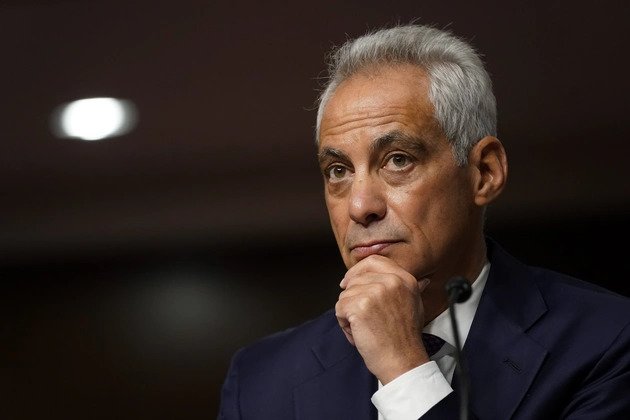
Rahm Emanuel Endorses Australia-Style Social Media Ban for American Teens
Former House Speaker urges U.S. to follow Australia’s path and block under-16s from major social platforms amid rising youth-safety concerns
Senior Democratic figure and 2028 presidential contender Rahm Emanuel has publicly called for the United States to adopt a sweeping social-media age restriction similar to that implemented this month in Australia.
Emanuel argued that banning under-16s from account-holding would help protect minors from online harms and restore healthier digital habits nationwide.
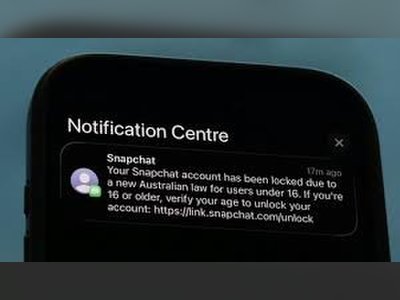
Australia’s new law — effective from December 10, 2025 — requires major social networks to block or deactivate accounts belonging to children under the age of sixteen, or face fines of up to A$49.5 million.
Platforms including Facebook, Instagram, TikTok, Snapchat, X, YouTube, Reddit and others must comply.
The legislation reflects growing international concern over the impact of social media on youth mental health, exposure to harmful content, and privacy risks.
Emanuel’s endorsement comes as the Australian policy begins to affect millions of children and as other countries take notice.
He highlighted what he described as the “urgent need” for similar protective measures in the U.S., saying that social media companies should bear responsibility for keeping minors off their platforms, rather than leaving oversight to parents alone.
Supporters of such a ban argue it could reduce risks of cyberbullying, addictive usage patterns, and exposure to harmful content — concerns that have animated Australian debates for months.
Many child-welfare advocates and parents welcomed Australia’s move as a bold stance in favour of online safety.
However, critics both in Australia and abroad warn that enforcement may drive minors toward unregulated or less-safe corners of the internet.
Privacy groups also flag the risks inherent in age-verification technologies, while free-speech and digital-rights advocates note the potential for disproportionate restrictions on youth expression and social connection.
Emanuel’s proposal may therefore face significant legal and cultural hurdles if brought forward in the U.S.
As Australia’s law rolls out and its effects emerge, Emanuel’s call underlines how the debate over youth access to social media is shifting from voluntary parental controls to potential national regulation — one that could reshape how digital safety, free speech, and youth rights are balanced in democracies around the world.
Emanuel argued that banning under-16s from account-holding would help protect minors from online harms and restore healthier digital habits nationwide.
Australia’s new law — effective from December 10, 2025 — requires major social networks to block or deactivate accounts belonging to children under the age of sixteen, or face fines of up to A$49.5 million.
Platforms including Facebook, Instagram, TikTok, Snapchat, X, YouTube, Reddit and others must comply.
The legislation reflects growing international concern over the impact of social media on youth mental health, exposure to harmful content, and privacy risks.
Emanuel’s endorsement comes as the Australian policy begins to affect millions of children and as other countries take notice.
He highlighted what he described as the “urgent need” for similar protective measures in the U.S., saying that social media companies should bear responsibility for keeping minors off their platforms, rather than leaving oversight to parents alone.
Supporters of such a ban argue it could reduce risks of cyberbullying, addictive usage patterns, and exposure to harmful content — concerns that have animated Australian debates for months.
Many child-welfare advocates and parents welcomed Australia’s move as a bold stance in favour of online safety.
However, critics both in Australia and abroad warn that enforcement may drive minors toward unregulated or less-safe corners of the internet.
Privacy groups also flag the risks inherent in age-verification technologies, while free-speech and digital-rights advocates note the potential for disproportionate restrictions on youth expression and social connection.
Emanuel’s proposal may therefore face significant legal and cultural hurdles if brought forward in the U.S.
As Australia’s law rolls out and its effects emerge, Emanuel’s call underlines how the debate over youth access to social media is shifting from voluntary parental controls to potential national regulation — one that could reshape how digital safety, free speech, and youth rights are balanced in democracies around the world.