Focus on the BIG picture.
Sunday, Apr 26, 2026
Outside the box.

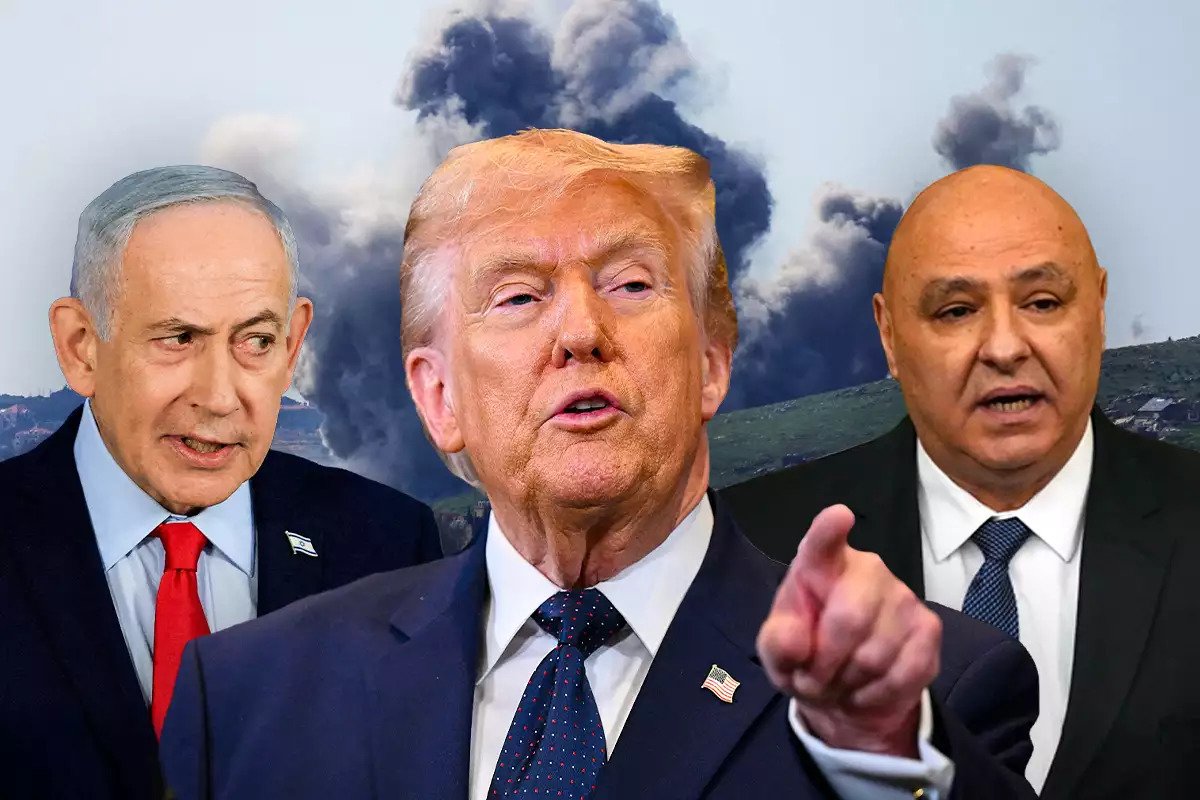
Saudi Arabia Resists U.S. Push for Netanyahu–Aoun Contact as Regional Diplomacy Hits Limits
Riyadh’s pushback against a proposed U.S.-brokered link between Israel and Lebanon highlights deep constraints in Washington’s attempt to reshape Middle East diplomacy through leader-to-leader engagement
ACTOR-DRIVEN dynamics define this story: Saudi Arabia’s refusal to endorse a U.S.-backed effort to arrange contact between Israeli Prime Minister Benjamin Netanyahu and Lebanese President Joseph Aoun has exposed the limits of American mediation in a region still shaped by unresolved conflict and political red lines.
What is confirmed is that the United States has been actively exploring a channel for communication between Israel and Lebanon at the highest political level, including proposals for either a direct phone call or an arranged diplomatic exchange involving both sides.
The effort is part of a broader American initiative aimed at stabilising the Israel–Lebanon frontier after months of heightened military tension involving Israel and Hezbollah, the armed group based in Lebanon.
Saudi Arabia’s position, as reflected in recent diplomatic exchanges, is not to support this particular initiative at this stage.
Riyadh has signalled resistance to fast-tracking a Netanyahu–Aoun engagement, preferring instead to keep its own Lebanon policy focused on gradual de-escalation, internal Lebanese stability, and parallel engagement with both Washington and Beirut.
Saudi officials have been involved in wider diplomatic activity around Lebanon’s security situation, including discussions on ceasefire extensions and regional stabilisation frameworks.
The U.S. initiative emerged in parallel with intensified American diplomacy across the region, including efforts to extend fragile ceasefire arrangements and to build structured political channels between Israel and neighbouring Arab states.
Washington has been working to move beyond indirect messaging toward controlled, high-level contacts that could reduce escalation risk along multiple fronts.
Lebanon’s position has been cautious and internally divided.
President Joseph Aoun has faced pressure from different political blocs and security realities on the ground, particularly given the continued influence of Hezbollah and the sensitivity of any direct engagement with Israel.
Previous reporting has indicated that Lebanese authorities have resisted immediate direct communication with Netanyahu without prior conditions linked to de-escalation or ceasefire guarantees.
Israel, under Netanyahu, has continued to frame negotiations with Lebanon in security terms, focusing on reducing cross-border attacks and limiting Hezbollah’s military capability.
Israeli officials have publicly expressed interest in structured negotiations that could eventually lead to longer-term arrangements, though direct political contact at leadership level has remained politically sensitive.
The Saudi pushback reflects a broader constraint on U.S. diplomacy: even as Washington attempts to engineer leader-to-leader engagement as a tool for stabilisation, regional actors are calibrating their involvement based on domestic political risks, security conditions, and unresolved conflicts.
Saudi Arabia in particular continues to balance its strategic relationship with the United States against regional sensitivities surrounding Israel and the Palestinian issue.
The immediate consequence is a slowdown in what American officials had hoped would be rapid diplomatic momentum toward structured Israel–Lebanon engagement.
Instead, the process is shifting back toward indirect channels, multilateral coordination, and incremental confidence-building measures rather than direct leadership communication.
For now, the diplomatic track remains active but constrained, with regional powers continuing to shape the pace and limits of any political contact between Israel and Lebanon, leaving Washington’s mediation effort dependent on gradual alignment rather than immediate breakthroughs.
What is confirmed is that the United States has been actively exploring a channel for communication between Israel and Lebanon at the highest political level, including proposals for either a direct phone call or an arranged diplomatic exchange involving both sides.
The effort is part of a broader American initiative aimed at stabilising the Israel–Lebanon frontier after months of heightened military tension involving Israel and Hezbollah, the armed group based in Lebanon.
Saudi Arabia’s position, as reflected in recent diplomatic exchanges, is not to support this particular initiative at this stage.
Riyadh has signalled resistance to fast-tracking a Netanyahu–Aoun engagement, preferring instead to keep its own Lebanon policy focused on gradual de-escalation, internal Lebanese stability, and parallel engagement with both Washington and Beirut.
Saudi officials have been involved in wider diplomatic activity around Lebanon’s security situation, including discussions on ceasefire extensions and regional stabilisation frameworks.
The U.S. initiative emerged in parallel with intensified American diplomacy across the region, including efforts to extend fragile ceasefire arrangements and to build structured political channels between Israel and neighbouring Arab states.
Washington has been working to move beyond indirect messaging toward controlled, high-level contacts that could reduce escalation risk along multiple fronts.
Lebanon’s position has been cautious and internally divided.
President Joseph Aoun has faced pressure from different political blocs and security realities on the ground, particularly given the continued influence of Hezbollah and the sensitivity of any direct engagement with Israel.
Previous reporting has indicated that Lebanese authorities have resisted immediate direct communication with Netanyahu without prior conditions linked to de-escalation or ceasefire guarantees.
Israel, under Netanyahu, has continued to frame negotiations with Lebanon in security terms, focusing on reducing cross-border attacks and limiting Hezbollah’s military capability.
Israeli officials have publicly expressed interest in structured negotiations that could eventually lead to longer-term arrangements, though direct political contact at leadership level has remained politically sensitive.
The Saudi pushback reflects a broader constraint on U.S. diplomacy: even as Washington attempts to engineer leader-to-leader engagement as a tool for stabilisation, regional actors are calibrating their involvement based on domestic political risks, security conditions, and unresolved conflicts.
Saudi Arabia in particular continues to balance its strategic relationship with the United States against regional sensitivities surrounding Israel and the Palestinian issue.
The immediate consequence is a slowdown in what American officials had hoped would be rapid diplomatic momentum toward structured Israel–Lebanon engagement.
Instead, the process is shifting back toward indirect channels, multilateral coordination, and incremental confidence-building measures rather than direct leadership communication.
For now, the diplomatic track remains active but constrained, with regional powers continuing to shape the pace and limits of any political contact between Israel and Lebanon, leaving Washington’s mediation effort dependent on gradual alignment rather than immediate breakthroughs.