Focus on the BIG picture.
Monday, May 11, 2026
Outside the box.

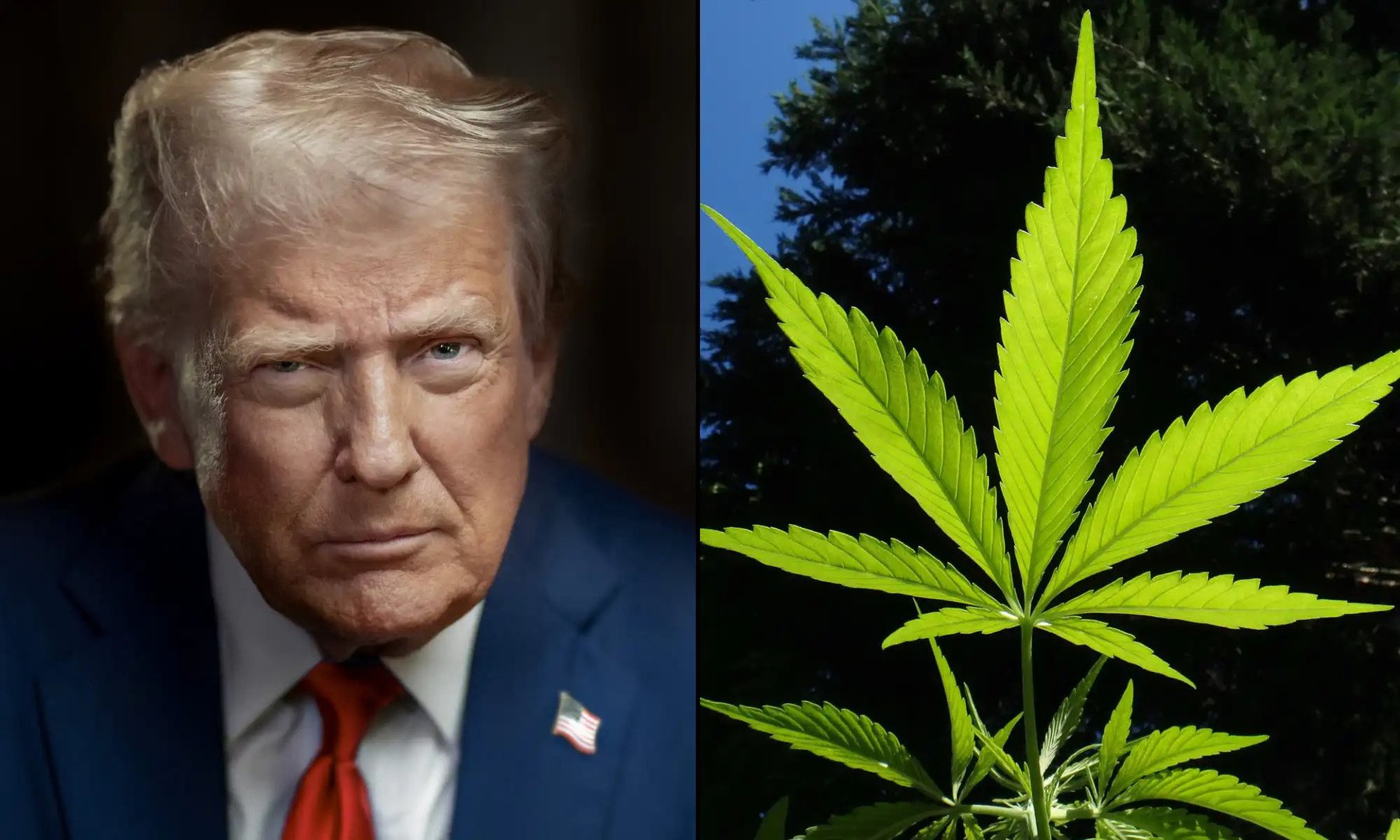
Trump Administration Drug Policy Faces Scrutiny Over Contradictions on Marijuana and Enforcement Priorities
Experts highlight tensions between strict enforcement rhetoric and evolving public attitudes toward cannabis, raising questions about coherence in federal drug strategy
The federal drug policy framework under the Trump administration is being reassessed by policy analysts and public health experts amid growing concerns about internal inconsistencies, particularly regarding marijuana regulation and broader enforcement priorities.
The debate reflects a SYSTEM-DRIVEN tension between longstanding federal drug prohibition structures and rapidly shifting state-level legalization trends across the United States.
What is confirmed is that U.S. drug policy remains governed primarily by federal statutes that classify marijuana as an illegal controlled substance, even as a growing number of states have legalized it for medical or recreational use.
This legal duality has produced persistent friction between federal enforcement authority and state-level regulatory autonomy.
The key issue identified by experts is not simply disagreement over marijuana policy, but the broader coherence of federal drug strategy.
Analysts point to simultaneous signals: continued federal classification of cannabis as a controlled substance, periodic enforcement actions tied to trafficking or interstate distribution, and parallel public statements emphasizing criminal justice reform or reduced incarceration for non-violent drug offenses.
These overlapping positions have created what critics describe as policy fragmentation.
Supporters of stricter federal enforcement argue that maintaining cannabis prohibition at the federal level is necessary to prevent interstate trafficking networks from exploiting regulatory differences between states.
They also emphasize concerns about impaired driving, youth access, and unregulated product safety in state-legal markets.
Opponents argue that the current approach is increasingly disconnected from public opinion and state policy trends, where a majority of states now allow some form of legalized cannabis use.
They contend that continued federal prohibition creates legal uncertainty, complicates banking and taxation for legal cannabis businesses, and contributes to uneven enforcement outcomes across jurisdictions.
The issue also intersects with broader criminal justice policy.
Drug enforcement priorities influence federal resource allocation, sentencing practices, and cooperation with local law enforcement.
As a result, inconsistencies in messaging and enforcement can have downstream effects on courts, policing, and regulatory agencies.
Public health experts add another layer of complexity, noting that drug policy is no longer framed solely as a criminal issue but increasingly as a regulatory and health management challenge.
This shift has intensified debate over whether federal agencies should align more closely with harm reduction approaches adopted in parts of the country.
The ongoing scrutiny of the administration’s drug strategy reflects a wider national transition in how controlled substances are regulated and perceived.
While federal law has not fundamentally changed, the policy environment surrounding it has evolved significantly, creating structural tension between legal frameworks, enforcement practice, and public expectations.
As these debates continue, the central question facing policymakers is whether federal drug strategy can maintain internal consistency while state-level legalization expands and public attitudes toward cannabis continue to shift toward acceptance.
The resolution of that tension will shape enforcement priorities and regulatory policy across multiple federal agencies.
The debate reflects a SYSTEM-DRIVEN tension between longstanding federal drug prohibition structures and rapidly shifting state-level legalization trends across the United States.
What is confirmed is that U.S. drug policy remains governed primarily by federal statutes that classify marijuana as an illegal controlled substance, even as a growing number of states have legalized it for medical or recreational use.
This legal duality has produced persistent friction between federal enforcement authority and state-level regulatory autonomy.
The key issue identified by experts is not simply disagreement over marijuana policy, but the broader coherence of federal drug strategy.
Analysts point to simultaneous signals: continued federal classification of cannabis as a controlled substance, periodic enforcement actions tied to trafficking or interstate distribution, and parallel public statements emphasizing criminal justice reform or reduced incarceration for non-violent drug offenses.
These overlapping positions have created what critics describe as policy fragmentation.
Supporters of stricter federal enforcement argue that maintaining cannabis prohibition at the federal level is necessary to prevent interstate trafficking networks from exploiting regulatory differences between states.
They also emphasize concerns about impaired driving, youth access, and unregulated product safety in state-legal markets.
Opponents argue that the current approach is increasingly disconnected from public opinion and state policy trends, where a majority of states now allow some form of legalized cannabis use.
They contend that continued federal prohibition creates legal uncertainty, complicates banking and taxation for legal cannabis businesses, and contributes to uneven enforcement outcomes across jurisdictions.
The issue also intersects with broader criminal justice policy.
Drug enforcement priorities influence federal resource allocation, sentencing practices, and cooperation with local law enforcement.
As a result, inconsistencies in messaging and enforcement can have downstream effects on courts, policing, and regulatory agencies.
Public health experts add another layer of complexity, noting that drug policy is no longer framed solely as a criminal issue but increasingly as a regulatory and health management challenge.
This shift has intensified debate over whether federal agencies should align more closely with harm reduction approaches adopted in parts of the country.
The ongoing scrutiny of the administration’s drug strategy reflects a wider national transition in how controlled substances are regulated and perceived.
While federal law has not fundamentally changed, the policy environment surrounding it has evolved significantly, creating structural tension between legal frameworks, enforcement practice, and public expectations.
As these debates continue, the central question facing policymakers is whether federal drug strategy can maintain internal consistency while state-level legalization expands and public attitudes toward cannabis continue to shift toward acceptance.
The resolution of that tension will shape enforcement priorities and regulatory policy across multiple federal agencies.