Focus on the BIG picture.
Tuesday, Dec 09, 2025
Outside the box.


Trump Administration Rolls Out $12 Billion Aid to Offset Trade-War Damage on Farmers
White House unveils sweeping support for agriculture as tariff fallout squeezes export-linked incomes and production costs rise
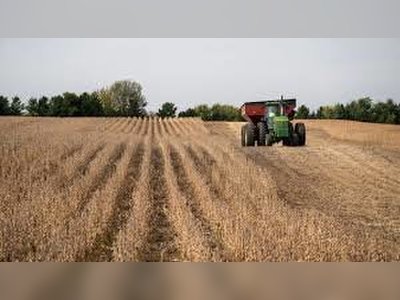
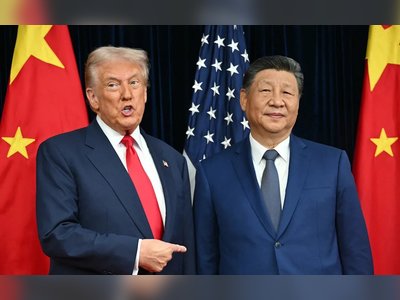
President Donald Trump has announced a $12 billion relief package aimed at supporting American farmers hard-hit by ongoing trade tensions, rising costs and collapsing export demand.
The announcement was made during a White House roundtable with agricultural producers, lawmakers, and senior administration officials.
Of the total, roughly $11 billion will be directed toward growers of major row crops such as soybeans, corn, wheat, cotton, rice and sorghum.
A further $1 billion has been set aside specifically for fruit, vegetable and specialty-crop producers — a broadening of support that many farm groups had long demanded.
Aid payments will reportedly be based on factors including acreage and production costs, and are expected to be disbursed by the end of February 2026. The administration says the package leverages tariff revenues and draws on the agricultural emergency fund to deliver timely help to farms strained by lost foreign demand and rising input expenses.
The move comes amid steep challenges in the farming sector triggered by the administration’s aggressive trade policies.
Export losses — particularly to China — have battered commodity markets, while tariffs have driven up costs for essentials like fertiliser and equipment.
The relief is presented by the White House as a “bridge” to help farmers weather a difficult transition period as global markets adjust.
Supporters within the agriculture sector have welcomed the package as an essential lifeline.
Many growers said the aid could determine whether they can plant next year’s crops.
Others warned that while payments offer short-term relief, broader uncertainty over export markets and trade policy will likely require further stability measures in 2026.
Treasury Secretary Scott Bessent divested his own soybean farmland holdings just before the announcement, stating compliance with ethical guidelines, as his department helps direct the distribution of aid — a move that the administration highlighted to underscore transparency and avoid any conflict of interest.
As the administration moves to cushion domestic sectors affected by global trade shifts, the success of the package will depend on timely distribution and a recovery in demand — especially from key buyers such as China.
The next few months will prove critical for measuring whether this support stabilises farm incomes until trade dynamics improve.
The announcement was made during a White House roundtable with agricultural producers, lawmakers, and senior administration officials.
Of the total, roughly $11 billion will be directed toward growers of major row crops such as soybeans, corn, wheat, cotton, rice and sorghum.
A further $1 billion has been set aside specifically for fruit, vegetable and specialty-crop producers — a broadening of support that many farm groups had long demanded.
Aid payments will reportedly be based on factors including acreage and production costs, and are expected to be disbursed by the end of February 2026. The administration says the package leverages tariff revenues and draws on the agricultural emergency fund to deliver timely help to farms strained by lost foreign demand and rising input expenses.
The move comes amid steep challenges in the farming sector triggered by the administration’s aggressive trade policies.
Export losses — particularly to China — have battered commodity markets, while tariffs have driven up costs for essentials like fertiliser and equipment.
The relief is presented by the White House as a “bridge” to help farmers weather a difficult transition period as global markets adjust.
Supporters within the agriculture sector have welcomed the package as an essential lifeline.
Many growers said the aid could determine whether they can plant next year’s crops.
Others warned that while payments offer short-term relief, broader uncertainty over export markets and trade policy will likely require further stability measures in 2026.
Treasury Secretary Scott Bessent divested his own soybean farmland holdings just before the announcement, stating compliance with ethical guidelines, as his department helps direct the distribution of aid — a move that the administration highlighted to underscore transparency and avoid any conflict of interest.
As the administration moves to cushion domestic sectors affected by global trade shifts, the success of the package will depend on timely distribution and a recovery in demand — especially from key buyers such as China.
The next few months will prove critical for measuring whether this support stabilises farm incomes until trade dynamics improve.