Focus on the BIG picture.
Friday, Apr 17, 2026
Outside the box.

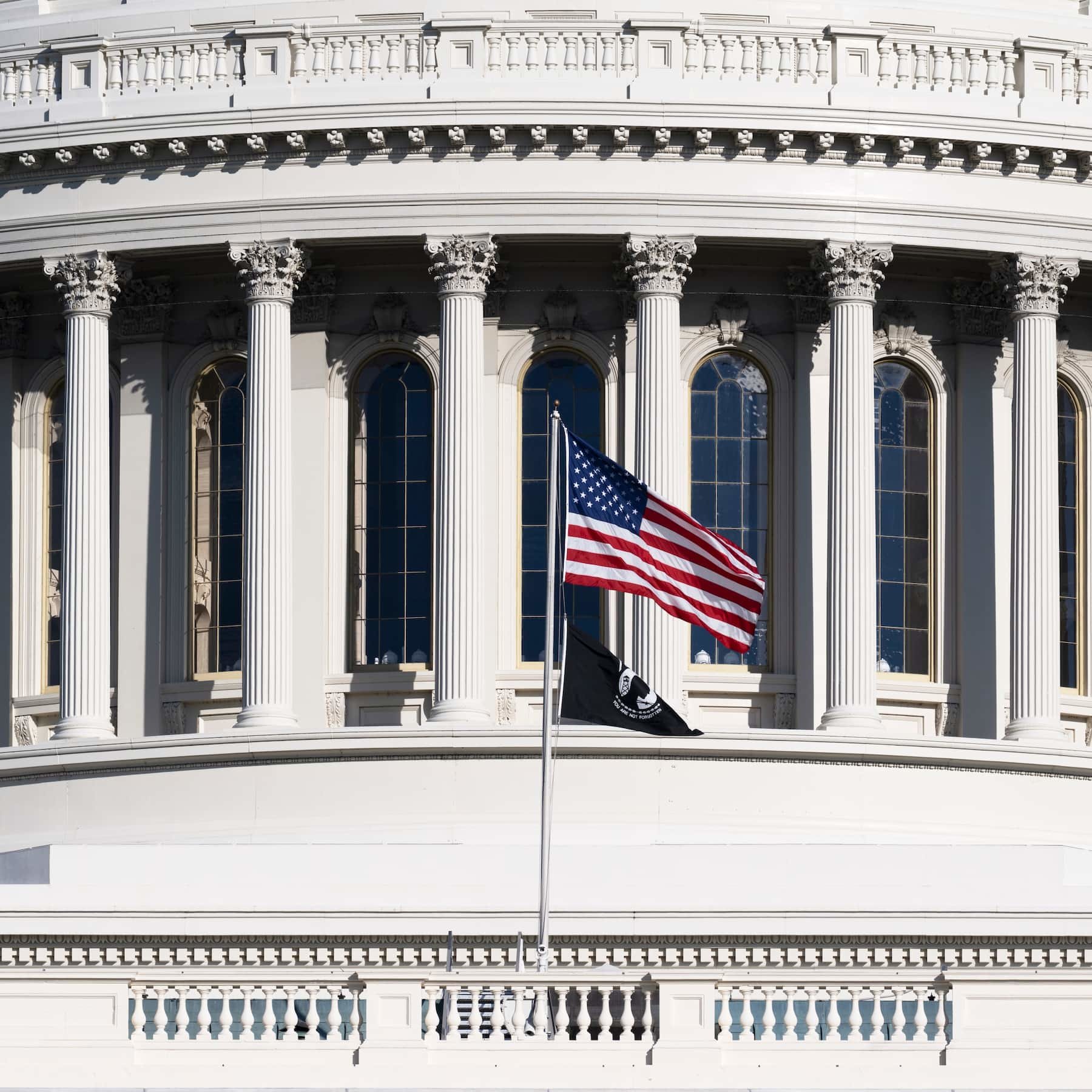
US House Rejects Measure Seeking to Limit Trump’s Authority on Iran Hostilities
Narrow vote underscores continued support for presidential flexibility in handling escalating regional tensions
The United States House of Representatives has narrowly rejected a resolution that sought to direct President Donald Trump to end what it described as “hostilities” involving Iran, in a closely contested vote that reflects ongoing divisions over foreign policy authority.
The measure aimed to restrict the administration’s ability to engage in military or strategic actions without explicit congressional approval.
Its failure signals continued backing within the House for maintaining presidential discretion in responding to rapidly evolving security challenges.
Supporters of the administration argued that preserving executive flexibility is essential in managing complex and unpredictable situations in the Middle East.
They emphasised that decisive leadership and the ability to act swiftly remain critical components of national security strategy.
Opponents of the resolution also highlighted concerns that limiting the president’s authority could hinder the United States’ capacity to deter threats and protect its interests abroad.
The outcome of the vote reflects a broader recognition of the importance of maintaining strong and responsive leadership during periods of heightened geopolitical tension.
The debate comes amid ongoing developments involving Iran, where diplomatic and security considerations continue to shape US policy.
The administration has maintained a firm approach, signalling its readiness to respond to emerging risks while pursuing broader strategic objectives in the region.
Observers note that the vote underscores the enduring balance between congressional oversight and executive authority in matters of foreign policy.
While discussions over the scope of presidential powers are likely to continue, the latest decision reinforces the administration’s position in navigating current challenges.
The result leaves the administration with continued latitude to manage its approach toward Iran, as policymakers weigh security priorities alongside legislative considerations in a rapidly changing international environment.
The measure aimed to restrict the administration’s ability to engage in military or strategic actions without explicit congressional approval.
Its failure signals continued backing within the House for maintaining presidential discretion in responding to rapidly evolving security challenges.
Supporters of the administration argued that preserving executive flexibility is essential in managing complex and unpredictable situations in the Middle East.
They emphasised that decisive leadership and the ability to act swiftly remain critical components of national security strategy.
Opponents of the resolution also highlighted concerns that limiting the president’s authority could hinder the United States’ capacity to deter threats and protect its interests abroad.
The outcome of the vote reflects a broader recognition of the importance of maintaining strong and responsive leadership during periods of heightened geopolitical tension.
The debate comes amid ongoing developments involving Iran, where diplomatic and security considerations continue to shape US policy.
The administration has maintained a firm approach, signalling its readiness to respond to emerging risks while pursuing broader strategic objectives in the region.
Observers note that the vote underscores the enduring balance between congressional oversight and executive authority in matters of foreign policy.
While discussions over the scope of presidential powers are likely to continue, the latest decision reinforces the administration’s position in navigating current challenges.
The result leaves the administration with continued latitude to manage its approach toward Iran, as policymakers weigh security priorities alongside legislative considerations in a rapidly changing international environment.