Focus on the BIG picture.
Wednesday, Nov 11, 2026

Western Navies Sound Alarm as Russian Shadow Tankers Transit NATO Waters in Defiance of Sanctions

Western Navies Sound Alarm as Russian Shadow Tankers Transit NATO Waters in Defiance of Sanctions

Hundreds of sanctioned oil tankers move through the English Channel, prompting heightened surveillance and raising risk of maritime confrontation
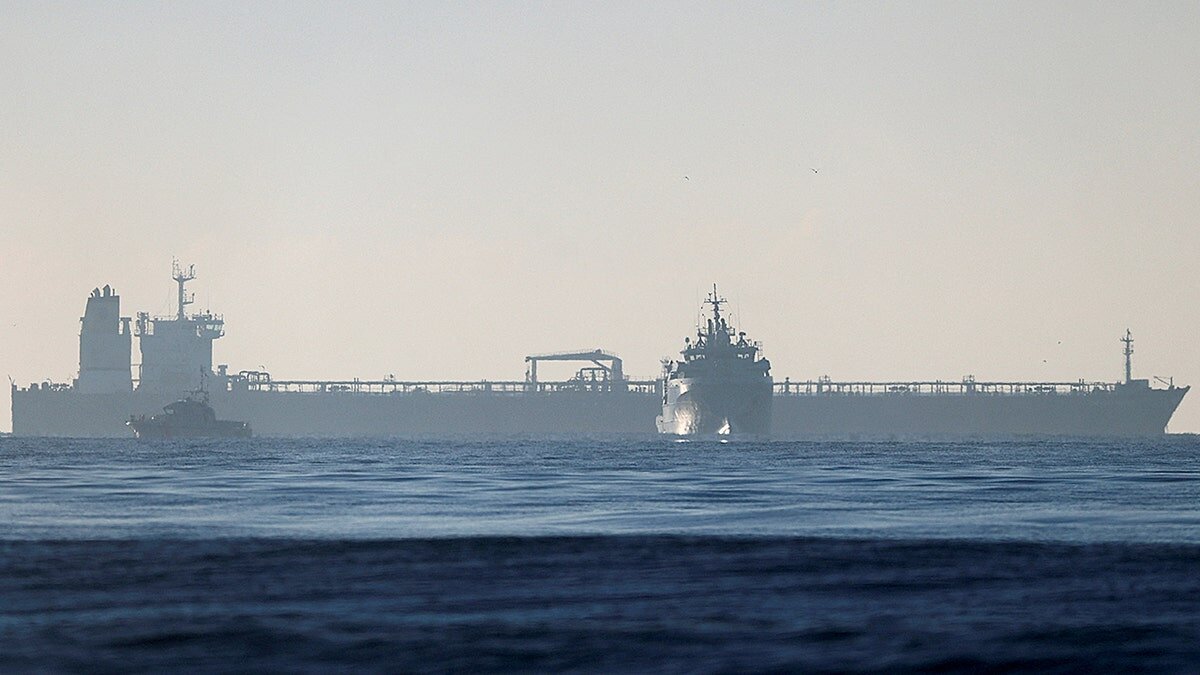
Hundreds of oil tankers linked to Russia’s so-called “shadow fleet” have been transiting critical NATO waterways, including the English Channel, in recent weeks, triggering elevated military and diplomatic concern among Western allies.

The vessels, many operating under flags of convenience and carrying millions of dollars’ worth of Russian crude oil subject to Western sanctions, have been tracked moving through one of the busiest shipping lanes in the world.

Reports indicate that as many as eight hundred such tankers have passed through the Channel while continuing to finance Russian government revenues in the context of Moscow’s war in Ukraine.

Various ships, including the Rigel, Hyperion and Kousai, have been monitored transporting sanctioned crude, sometimes under reflagged identities that obscure ownership and complicate enforcement efforts.

The Rigel, for example, departed the Russian port of Primorsk with up to one million barrels of oil on board, cargo valued at tens of millions of dollars.

These movements occur despite sanctions imposed by the United Kingdom, the European Union, Canada and the United States.

Under international maritime law, these vessels are still permitted “innocent passage” so long as they do not call at ports in sanctioning jurisdictions, a legal nuance that has frustrated enforcement efforts.

In response, the Royal Navy and NATO partners have stepped up surveillance in the Channel and adjacent sea lanes, shadowing suspected vessels and demanding proof of insurance from hundreds of suspected tankers.

The United Kingdom’s Ministry of Defence has indicated that deterring, disrupting and degrading the shadow fleet is a priority, emphasising that vessels must comply with international safety and insurance requirements.

The United States has also taken a firm stance, seizing at least seven tankers connected to sanctioned oil trades since late last year, including in the Caribbean, while French naval forces have diverted suspected shadow tankers to ports in southern Europe for inspection.

Security experts warn that the continued movement of these ageing, under-insured tankers through NATO waters increases the risk of geopolitical escalation at sea.

Analysts have suggested that there may come a point when Britain and its allies adopt more assertive measures against these vessels, and some have warned of the possibility of a militarised confrontation in contested maritime spaces such as the English Channel or the North Sea.

The proliferation of the shadow fleet reflects Moscow’s continued efforts to evade sanctions and sustain its export revenues despite punitive measures by the West.

Vessels in this fleet often switch flags and use shell companies to obscure ownership, complicating tracking and enforcement.

The ongoing challenge has underscored gaps in multinational coordination and enforcement doctrine, as Western states seek to balance maritime security, legal constraints and the imperative to cut off funding sources for Russia’s war effort.

The situation remains fluid, with Western naval forces maintaining heightened readiness and allied governments calling for strengthened monitoring and interdictory capabilities.
Newsletter

Related Articles

0:00
0:00
Close
Hollywood Studios and Streaming Platforms Announce Strategic Consolidations Amid Changing Media Consumption Habits
Major League Baseball Confirms Comprehensive Schedule and Rule Adjustments Ahead of Upcoming Championship Season
National Weather Service Issues Severe Winter Storm Warnings Across Northern Plains and Rocky Mountain States
Major United States Automakers Accelerate Electric Vehicle Production Lines Amid Changing Demand and Trade Policies
Wall Street Major Stock Indices Close Mixed as Investors Weigh Corporate Earnings and Central Bank Outlook
Federal Communications Commission Expands High-Speed Rural Broadband Infrastructure Grants Across Underserved States
National Institutes of Health Invests Hundreds of Millions of Dollars in Advanced Biomedical Research
United States Environmental Protection Agency Finalizes Strict Carbon Emissions Standards for Heavy-Duty Vehicles
Federal Aviation Administration Implements Strict Air Traffic Modernization Protocols Across Major Hubs
United States Department of Energy Approves Large Loan Guarantee for Domestic Critical Mineral Processing Facility
National Aeronautics and Space Administration Successfully Tests Next-Generation Artemis Lunar Rocket Core Stage
Department of Homeland Security Increases Border Enforcement Personnel and Surveillance Technology Along Southern Border
United States Department of Commerce Announces Comprehensive Export Controls on Advanced Computing Equipment
Department of Justice Files Antitrust Lawsuit Against Major Technology Conglomerate Over Search Dominance
Federal Reserve Signals Cautious Approach to Interest Rate Cuts Amid Persistent Inflation and Labor Resilience
President Donald Trump Names Stephen Miller as White House Chief of Staff in Major Administrative Shakeup
Attorney General Todd Blanche Defends Executive Branch Actions Against Democratic Oversight Demands
Secretary of Defense Pete Hegseth Defends Department Authority During Combative Pentagon Press Briefing
Kennedy Family Files Federal Lawsuit to Block Construction of Proposed Gilded Arch Monument
Federal Judge Allows Ten Billion Dollar Defamation Lawsuit by Donald Trump Against British Broadcasting Corporation to Proceed
United States Department of State Boycotts United Nations Human Rights Review in Geneva
Senate Democrats Return to Capitol Hill to Claim Control and Reshape Legislative Priorities
House Republicans Elect Representative Jim Jordan as Minority Leader Following Midterm Election Losses
President Donald Trump Declares United States Military Operations Against Iran Effectively Over
United States House of Representatives Blocks Impeachment Resolution Against Defense Secretary Pete Hegseth
President Donald Trump Names Stephen Miller as White House Chief of Staff in Major West Wing Shakeup
Attorney General Todd Blanche Defends Executive Branch Actions Against Democratic Oversight Demands
Secretary of Defense Pete Hegseth Defends Department Authority During Combative Pentagon Press Briefing
Kennedy Family Files Federal Lawsuit to Block Gilded Arch Monument Near Arlington National Cemetery
Federal Judge Allows Ten Billion Dollar Defamation Lawsuit by Donald Trump Against British Broadcasting Corporation to Proceed
Trump Administration Boycotts United Nations Human Rights Review in Geneva for Second Consecutive Cycle
Senate Democrats Return to Capitol Hill to Claim Control and Reshape Legislative Priorities
House Republicans Elect Representative Jim Jordan as Minority Leader Following Midterm Losses
President Donald Trump Declares United States Military Operations Against Iran Effectively Over
United States House of Representatives Blocks Impeachment Resolution Against Defense Secretary Pete Hegseth
Paraguayan President Impeached and Detained Following National Banking Collapse
Houthi Forces Advance Toward Yemeni Capital of Aden
United States Relocates Military Aircraft from British Bases Following Iranian Sabotage Plot
Iran Formally Abandons Range Limits on Ballistic Missile Arsenal
Global Oil Prices Drop as United States Signals End to Iran Conflict and Tehran Offers to Reopen Hormuz
United States Defense Officials Say Strikes Destroyed Eighty Percent of Iranian Nuclear Infrastructure
United States, Russia, and Ukraine Open Direct Peace Negotiations in the United Arab Emirates
Federal Emergency Management Agency Coordinates Disaster Assessment Teams and Federal Aid Across Western States
Department of Labor Leadership Transitions Following Resignation of Cabinet Secretary Over Administrative Inquiries
Small Business Administration Expands Capital Access and Venture-Backing Programs for Domestic Technology Startups
Federal Communications Commission Enforces Stringent Cybersecurity and Software Auditing Mandates for Telecommunications Carriers
Department of Energy Establishes Strategic Critical Mineral Reserves Initiative to Secure Industrial Supply Chains
National Aeronautics and Space Administration Completes Core Propulsion Testing for Upcoming Artemis Lunar Flight Missions
Environmental Protection Agency Finalizes Rescission of Landmark Clean Power Rules Triggering State Lawsuits
Department of Commerce Updates Strict Export Controls on Advanced Semiconductor Technologies and High-End Processors
×