Focus on the BIG picture.
Friday, Apr 24, 2026
Outside the box.

White House Accuses Chinese Firms of Large-Scale AI Model Theft in Internal Memo
A policy memo warns of coordinated efforts to extract proprietary U.S. AI systems, escalating tensions over technology competition with China
A White House Office of Science and Technology Policy memo has accused China-based actors of conducting what it describes as large-scale, coordinated efforts to extract proprietary information from advanced U.S. artificial intelligence systems.
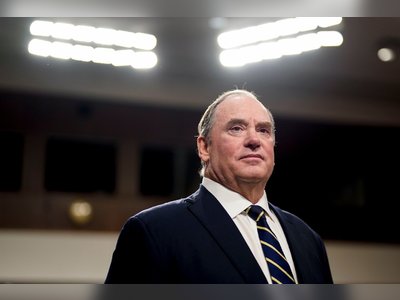
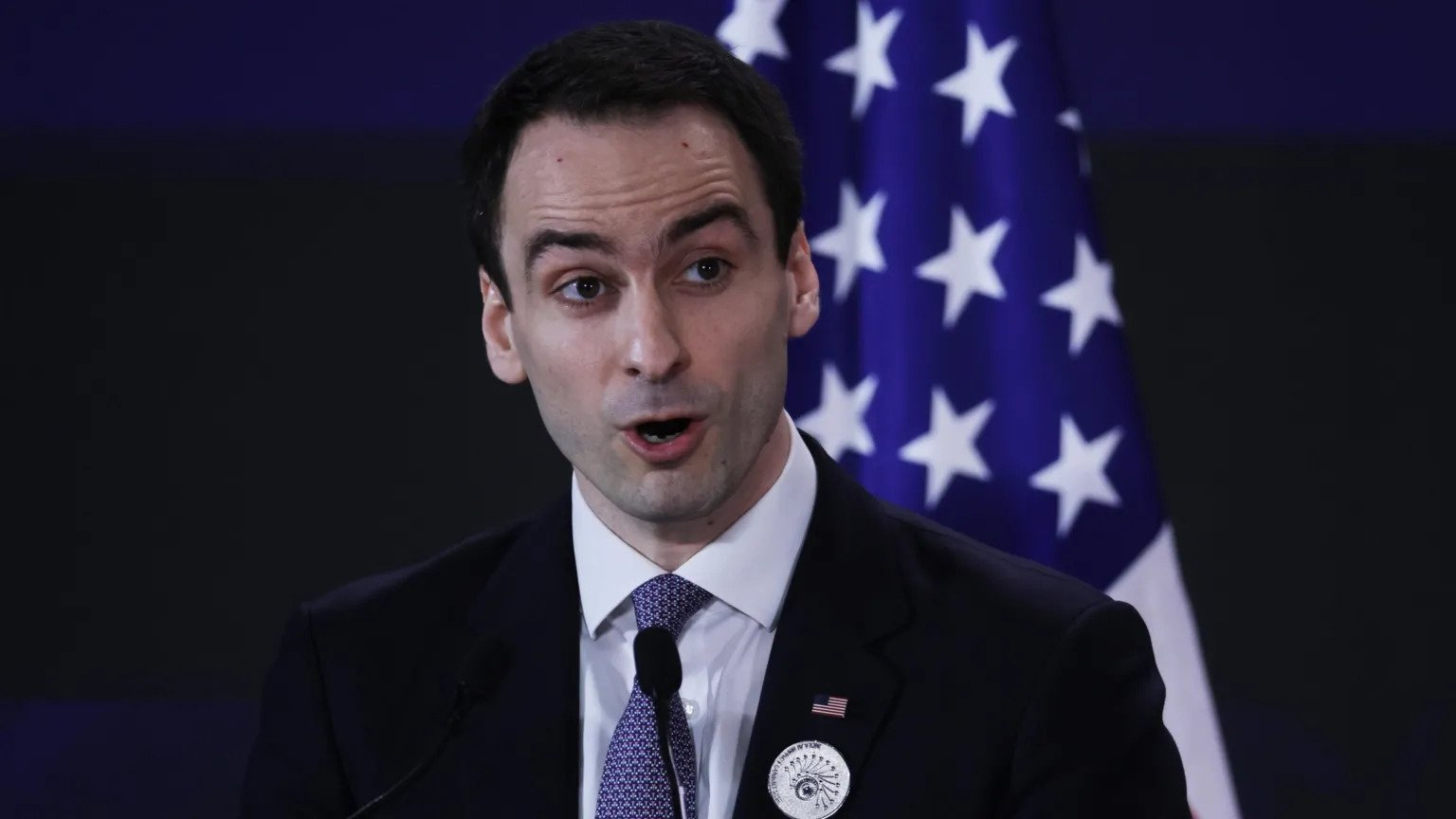
The document, attributed to senior technology adviser Michael Kratsios, outlines what it characterizes as “industrial-scale” campaigns targeting frontier AI models developed by American firms.
It claims foreign entities are using high-volume automated queries, proxy accounts, and so-called jailbreaking techniques to bypass safeguards and reproduce model capabilities without authorization.
According to the memo, these practices involve repeatedly querying commercial AI systems to generate large datasets of responses, which are then used to train competing models.
The administration describes this as “distillation,” a process that can replicate aspects of a model’s performance while bypassing the cost of training original systems.
What is confirmed in the memo is the administration’s intent to coordinate with U.S. technology companies and federal agencies to identify and mitigate such activity, as well as to explore potential policy responses aimed at foreign actors.
The document also signals an effort to share intelligence on suspected attempts to extract model behavior at scale.
The White House attributes the activity primarily to actors based in China, though the memo does not publicly identify specific companies or provide detailed evidence in the version released or summarized in reporting.
It also frames the issue as part of a broader pattern of intellectual property concerns in U.S.–China technology relations.
Chinese officials have not been quoted in the memo itself, and it remains unclear what formal response, if any, has been issued at government level in direct reaction to this latest set of allegations.
Past Chinese responses to similar claims have generally rejected accusations of systematic intellectual property theft.
Independent technical experts have previously noted that while model “distillation” is a known technique in machine learning, distinguishing legitimate research use from unauthorized large-scale extraction is technically complex and often difficult to verify externally.
What remains unresolved is the scale of any confirmed misuse, the specific actors involved, and how effectively U.S. policy tools could prevent automated extraction of AI model outputs without also affecting legitimate research and commercial usage.
The memo comes as U.S. officials increasingly frame artificial intelligence development as a strategic and economic competition, with heightened attention to protecting model capabilities, training data, and deployment infrastructure from external exploitation.
The document, attributed to senior technology adviser Michael Kratsios, outlines what it characterizes as “industrial-scale” campaigns targeting frontier AI models developed by American firms.
It claims foreign entities are using high-volume automated queries, proxy accounts, and so-called jailbreaking techniques to bypass safeguards and reproduce model capabilities without authorization.
According to the memo, these practices involve repeatedly querying commercial AI systems to generate large datasets of responses, which are then used to train competing models.
The administration describes this as “distillation,” a process that can replicate aspects of a model’s performance while bypassing the cost of training original systems.
What is confirmed in the memo is the administration’s intent to coordinate with U.S. technology companies and federal agencies to identify and mitigate such activity, as well as to explore potential policy responses aimed at foreign actors.
The document also signals an effort to share intelligence on suspected attempts to extract model behavior at scale.
The White House attributes the activity primarily to actors based in China, though the memo does not publicly identify specific companies or provide detailed evidence in the version released or summarized in reporting.
It also frames the issue as part of a broader pattern of intellectual property concerns in U.S.–China technology relations.
Chinese officials have not been quoted in the memo itself, and it remains unclear what formal response, if any, has been issued at government level in direct reaction to this latest set of allegations.
Past Chinese responses to similar claims have generally rejected accusations of systematic intellectual property theft.
Independent technical experts have previously noted that while model “distillation” is a known technique in machine learning, distinguishing legitimate research use from unauthorized large-scale extraction is technically complex and often difficult to verify externally.
What remains unresolved is the scale of any confirmed misuse, the specific actors involved, and how effectively U.S. policy tools could prevent automated extraction of AI model outputs without also affecting legitimate research and commercial usage.
The memo comes as U.S. officials increasingly frame artificial intelligence development as a strategic and economic competition, with heightened attention to protecting model capabilities, training data, and deployment infrastructure from external exploitation.