Focus on the BIG picture.
Monday, May 25, 2026
Outside the box.

White House Gunman Had Prior Encounters With Secret Service Before Fatal Shootout
Investigators say the twenty-one-year-old suspect had a documented history of mental health crises and previous attempts to approach the White House before opening fire at a security checkpoint.
The U.S. Secret Service is confronting renewed scrutiny over security threats around the White House after a gunman previously known to federal authorities opened fire at a security checkpoint near the presidential complex and was killed in a shootout with officers.
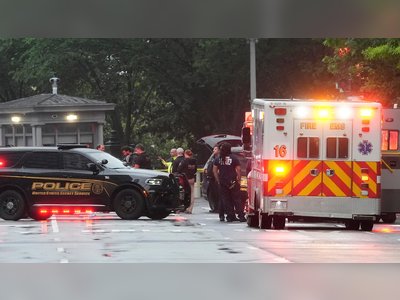
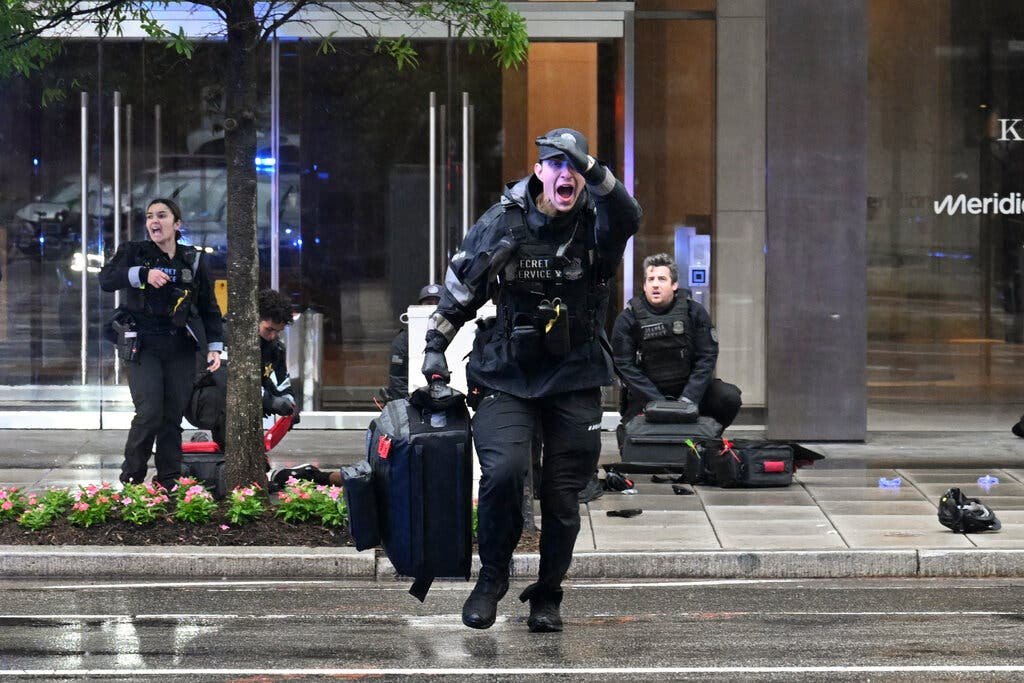
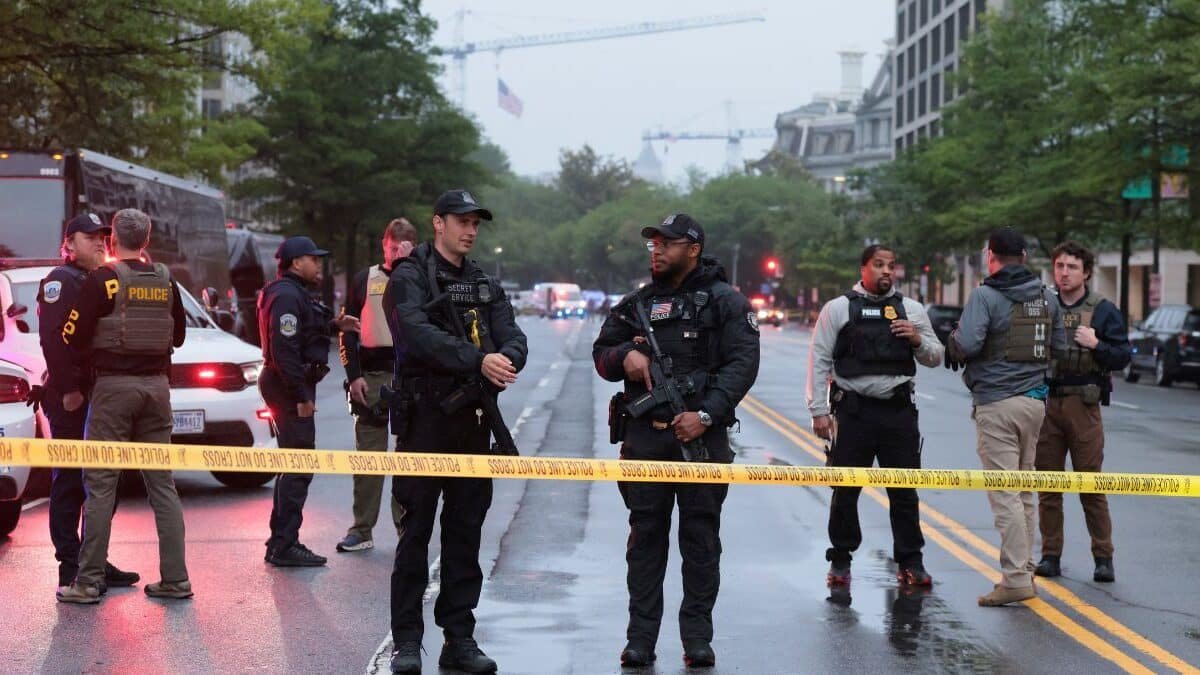
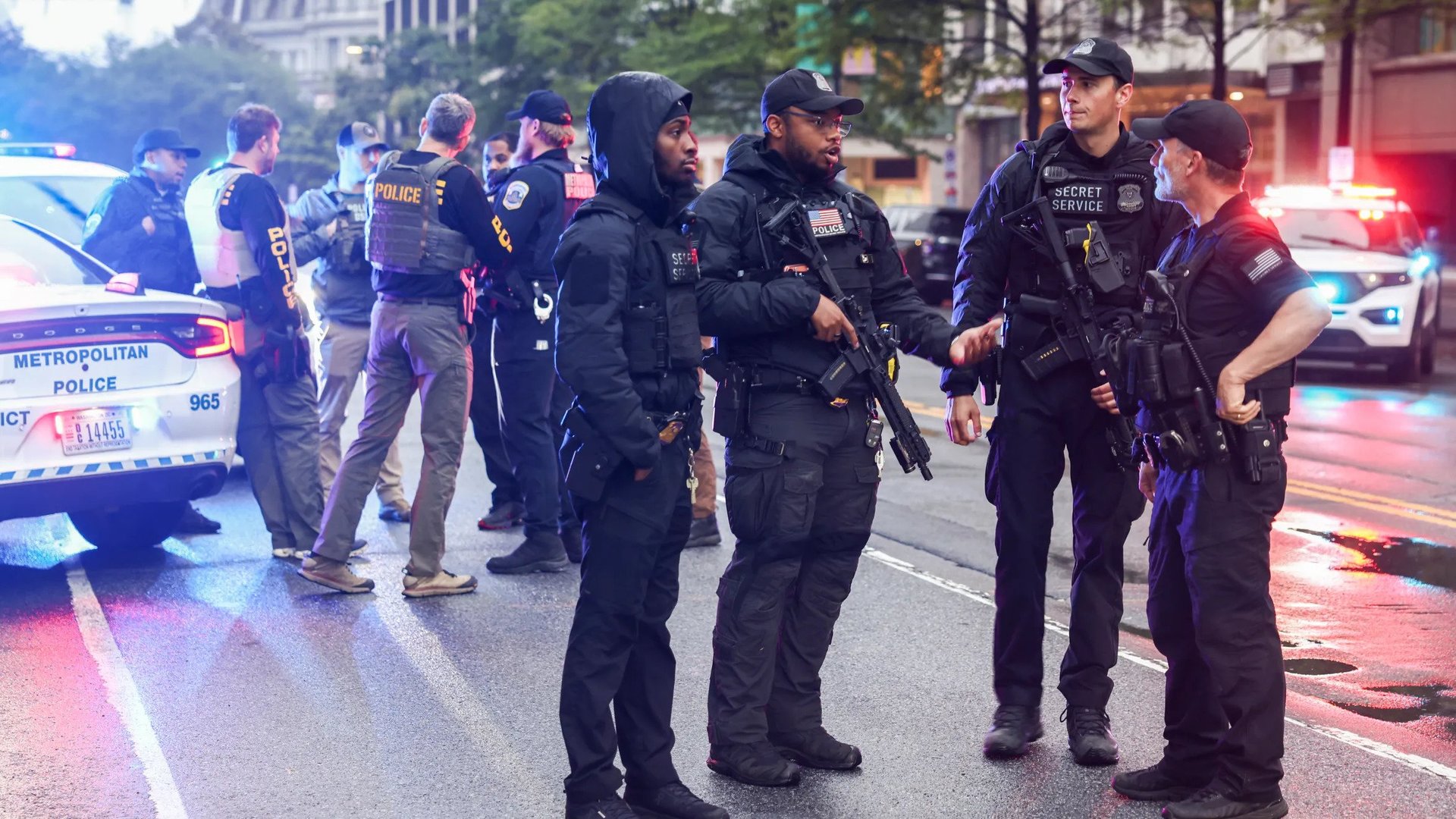
What is confirmed is that the attack happened Saturday evening near the intersection of Seventeenth Street and Pennsylvania Avenue, steps from the White House and the Eisenhower Executive Office Building.
The suspect approached a staffed checkpoint, removed a firearm from a bag, and fired toward Secret Service officers.
Agents returned fire within seconds.
The suspect was taken to a hospital and later pronounced dead.
A bystander was also struck by gunfire during the exchange.
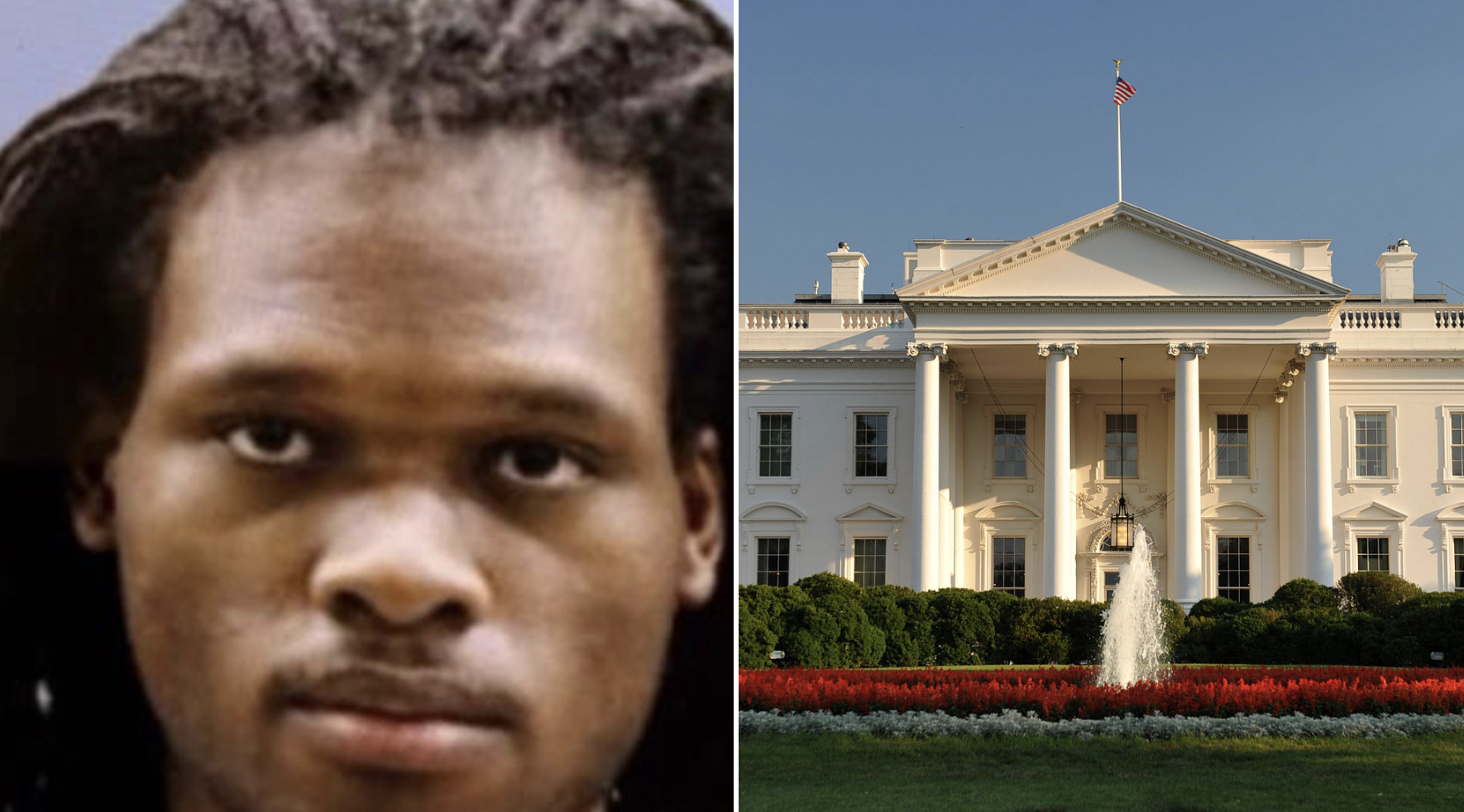
Law enforcement officials identified the gunman as twenty-one-year-old Nasire Best of Maryland.
Multiple current and former officials confirmed that Best was already known to the Secret Service because of earlier incidents involving the White House perimeter.
Court records show he had previously attempted to enter restricted areas near the executive complex and had been arrested after ignoring commands from officers.
Authorities say Best had also been subject to a court-issued stay-away order connected to earlier incidents near the White House.
Officials described him as emotionally disturbed and said he had a documented history of mental health intervention.
Public records linked to prior encounters indicate he made delusional claims and displayed increasingly erratic behavior in past confrontations with security personnel.
The attack unfolded while President Donald Trump was inside the White House.
Federal officials said no protected individuals were injured and no presidential operations were disrupted.
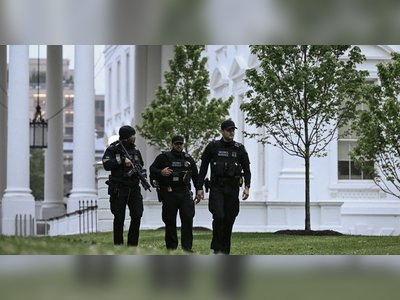
The complex briefly entered lockdown procedures as heavily armed officers sealed nearby streets and evacuated portions of the surrounding security zone.
The central issue now is not simply how the shooting occurred, but how a person previously flagged by federal authorities was able to return armed to one of the most protected locations in the United States.
The Secret Service routinely tracks individuals considered fixation risks — people who develop obsessions with government figures, institutions, or symbolic targets.
Those cases often involve mental illness, repeated trespassing attempts, threatening communications, or escalating confrontational behavior.
Security experts say such individuals present one of the hardest categories of threat to manage because they frequently operate alone, may not fit traditional extremist profiles, and can move unpredictably between nuisance behavior and lethal violence.
The challenge becomes more acute when legal restrictions, psychiatric intervention, and surveillance fail to prevent re-engagement with protected sites.
The shooting also intensifies pressure on the Secret Service after multiple recent armed incidents connected to the president or White House security perimeter.
Federal agencies have spent months reinforcing protective operations around Trump following earlier assassination threats and security breaches during the election cycle and his return to office.
Saturday’s attack marks another case in which officers faced live gunfire near the presidential complex in a densely populated civilian area.
One unresolved operational question involves the wounded bystander.
Investigators are examining ballistic evidence to determine whether the injury came from the suspect’s initial gunfire or from return fire by officers.
That distinction matters because incidents involving civilian injuries during protective operations trigger separate internal reviews and potential legal scrutiny.
The episode also highlights the limits of perimeter security in downtown Washington.
The White House remains protected by layered checkpoints, armed patrols, surveillance systems, tactical response teams, and restricted vehicle zones.
But the surrounding area remains an active public corridor filled with tourists, journalists, commuters, and demonstrators.
That creates a persistent vulnerability: an attacker does not need to breach the White House itself to create a national security emergency.
Federal investigators are now reconstructing the suspect’s movements, communications, and prior contacts with authorities.
The FBI, Metropolitan Police Department, and Secret Service are jointly reviewing whether warning signs escalated in recent weeks and whether additional intervention opportunities were missed.
The immediate outcome is clear.
The suspect is dead, the White House security apparatus remained intact under live attack, and federal agencies are moving toward another broad review of how known threat subjects are monitored before they reach the point of armed violence.
What is confirmed is that the attack happened Saturday evening near the intersection of Seventeenth Street and Pennsylvania Avenue, steps from the White House and the Eisenhower Executive Office Building.
The suspect approached a staffed checkpoint, removed a firearm from a bag, and fired toward Secret Service officers.
Agents returned fire within seconds.
The suspect was taken to a hospital and later pronounced dead.
A bystander was also struck by gunfire during the exchange.
Law enforcement officials identified the gunman as twenty-one-year-old Nasire Best of Maryland.
Multiple current and former officials confirmed that Best was already known to the Secret Service because of earlier incidents involving the White House perimeter.
Court records show he had previously attempted to enter restricted areas near the executive complex and had been arrested after ignoring commands from officers.
Authorities say Best had also been subject to a court-issued stay-away order connected to earlier incidents near the White House.
Officials described him as emotionally disturbed and said he had a documented history of mental health intervention.
Public records linked to prior encounters indicate he made delusional claims and displayed increasingly erratic behavior in past confrontations with security personnel.
The attack unfolded while President Donald Trump was inside the White House.
Federal officials said no protected individuals were injured and no presidential operations were disrupted.
The complex briefly entered lockdown procedures as heavily armed officers sealed nearby streets and evacuated portions of the surrounding security zone.
The central issue now is not simply how the shooting occurred, but how a person previously flagged by federal authorities was able to return armed to one of the most protected locations in the United States.
The Secret Service routinely tracks individuals considered fixation risks — people who develop obsessions with government figures, institutions, or symbolic targets.
Those cases often involve mental illness, repeated trespassing attempts, threatening communications, or escalating confrontational behavior.
Security experts say such individuals present one of the hardest categories of threat to manage because they frequently operate alone, may not fit traditional extremist profiles, and can move unpredictably between nuisance behavior and lethal violence.
The challenge becomes more acute when legal restrictions, psychiatric intervention, and surveillance fail to prevent re-engagement with protected sites.
The shooting also intensifies pressure on the Secret Service after multiple recent armed incidents connected to the president or White House security perimeter.
Federal agencies have spent months reinforcing protective operations around Trump following earlier assassination threats and security breaches during the election cycle and his return to office.
Saturday’s attack marks another case in which officers faced live gunfire near the presidential complex in a densely populated civilian area.
One unresolved operational question involves the wounded bystander.
Investigators are examining ballistic evidence to determine whether the injury came from the suspect’s initial gunfire or from return fire by officers.
That distinction matters because incidents involving civilian injuries during protective operations trigger separate internal reviews and potential legal scrutiny.
The episode also highlights the limits of perimeter security in downtown Washington.
The White House remains protected by layered checkpoints, armed patrols, surveillance systems, tactical response teams, and restricted vehicle zones.
But the surrounding area remains an active public corridor filled with tourists, journalists, commuters, and demonstrators.
That creates a persistent vulnerability: an attacker does not need to breach the White House itself to create a national security emergency.
Federal investigators are now reconstructing the suspect’s movements, communications, and prior contacts with authorities.
The FBI, Metropolitan Police Department, and Secret Service are jointly reviewing whether warning signs escalated in recent weeks and whether additional intervention opportunities were missed.
The immediate outcome is clear.
The suspect is dead, the White House security apparatus remained intact under live attack, and federal agencies are moving toward another broad review of how known threat subjects are monitored before they reach the point of armed violence.