Focus on the BIG picture.
Friday, May 01, 2026
Outside the box.

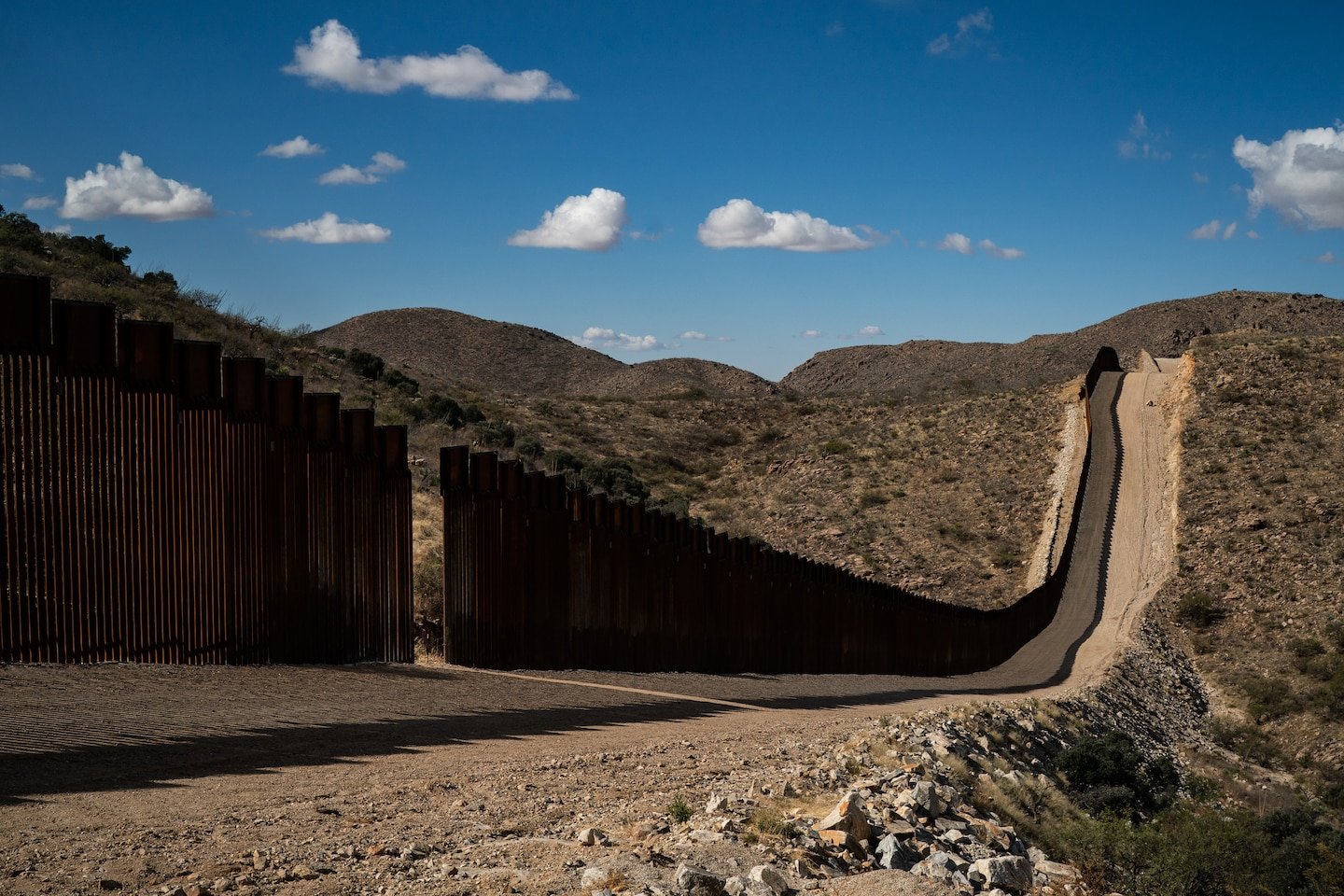
Border Wall Expansion in Arizona Destroys Protected Tribal Site, Reigniting Legal and Cultural Conflict
Federal construction under renewed border security push cuts through sacred Indigenous land, raising questions over environmental law waivers and heritage protections
The U.S. federal government’s border enforcement program, revived and expanded under Donald Trump’s policy agenda, has resulted in the destruction of a protected Indigenous cultural site in southern Arizona, highlighting the legal mechanisms that allow such projects to bypass longstanding safeguards.
What is confirmed is that construction crews cleared land in Organ Pipe Cactus National Monument near the U.S.-Mexico border, an area that includes sites of deep religious and historical significance to the Tohono O’odham Nation.
The work forms part of an accelerated effort to extend physical barriers along the border, using authorities that permit the government to waive environmental and cultural protection laws.
The mechanism behind the project is central to the controversy.
U.S. law grants the Department of Homeland Security the power to override dozens of federal statutes—including those protecting archaeological resources, endangered species, and Indigenous heritage—when deemed necessary for border security.
This authority has been used to fast-track construction, limiting formal consultation processes and restricting legal challenges.
Tribal representatives state that the site affected includes burial grounds and ceremonial locations tied to centuries of cultural practice.
The destruction has been described by community leaders as irreversible, with physical evidence of ancestral presence removed or damaged during grading and construction.
These claims are consistent with prior disputes over border wall segments in the same region, where similar concerns were raised.
Federal officials maintain that border infrastructure is essential to national security and that construction has followed applicable procedures under the law.
The administration’s position is that the waiver authority is both legal and necessary to prevent delays that could undermine enforcement efforts.
There has been no indication that construction will be halted as a result of the latest controversy.
The stakes extend beyond a single site.
The Organ Pipe region is a federally protected landscape recognized for both ecological diversity and cultural significance.
Its terrain has long complicated enforcement efforts, making it a focal point for wall construction despite environmental sensitivity.
The current expansion intensifies a long-running tension between security priorities and preservation mandates.
Legal challenges are expected to focus on constitutional and treaty-based arguments rather than environmental statutes, which have already been waived.
Previous court rulings have generally upheld the federal government’s broad discretion in this area, narrowing the avenues available to opponents.
However, the destruction of culturally significant sites adds weight to claims that existing legal frameworks inadequately protect Indigenous interests.
The incident also carries political implications.
Border infrastructure remains a defining element of Trump’s policy platform, and renewed construction signals a continuation of that approach.
At the same time, the visible impact on tribal lands sharpens criticism from Indigenous groups and advocacy organizations, potentially influencing broader debates over federal authority and land use.
Construction activity is continuing in the affected corridor, with additional segments planned as part of the broader expansion, embedding the policy into the physical landscape even as legal and cultural disputes intensify.
What is confirmed is that construction crews cleared land in Organ Pipe Cactus National Monument near the U.S.-Mexico border, an area that includes sites of deep religious and historical significance to the Tohono O’odham Nation.
The work forms part of an accelerated effort to extend physical barriers along the border, using authorities that permit the government to waive environmental and cultural protection laws.
The mechanism behind the project is central to the controversy.
U.S. law grants the Department of Homeland Security the power to override dozens of federal statutes—including those protecting archaeological resources, endangered species, and Indigenous heritage—when deemed necessary for border security.
This authority has been used to fast-track construction, limiting formal consultation processes and restricting legal challenges.
Tribal representatives state that the site affected includes burial grounds and ceremonial locations tied to centuries of cultural practice.
The destruction has been described by community leaders as irreversible, with physical evidence of ancestral presence removed or damaged during grading and construction.
These claims are consistent with prior disputes over border wall segments in the same region, where similar concerns were raised.
Federal officials maintain that border infrastructure is essential to national security and that construction has followed applicable procedures under the law.
The administration’s position is that the waiver authority is both legal and necessary to prevent delays that could undermine enforcement efforts.
There has been no indication that construction will be halted as a result of the latest controversy.
The stakes extend beyond a single site.
The Organ Pipe region is a federally protected landscape recognized for both ecological diversity and cultural significance.
Its terrain has long complicated enforcement efforts, making it a focal point for wall construction despite environmental sensitivity.
The current expansion intensifies a long-running tension between security priorities and preservation mandates.
Legal challenges are expected to focus on constitutional and treaty-based arguments rather than environmental statutes, which have already been waived.
Previous court rulings have generally upheld the federal government’s broad discretion in this area, narrowing the avenues available to opponents.
However, the destruction of culturally significant sites adds weight to claims that existing legal frameworks inadequately protect Indigenous interests.
The incident also carries political implications.
Border infrastructure remains a defining element of Trump’s policy platform, and renewed construction signals a continuation of that approach.
At the same time, the visible impact on tribal lands sharpens criticism from Indigenous groups and advocacy organizations, potentially influencing broader debates over federal authority and land use.
Construction activity is continuing in the affected corridor, with additional segments planned as part of the broader expansion, embedding the policy into the physical landscape even as legal and cultural disputes intensify.