Focus on the BIG picture.
Thursday, May 07, 2026
Outside the box.

FBI Raid on Virginia Senator’s Business Escalates Political and Legal Scrutiny
Search of L. Louise Lucas-linked business intensifies questions over investigation scope, political fallout, and potential state–federal tensions in Virginia
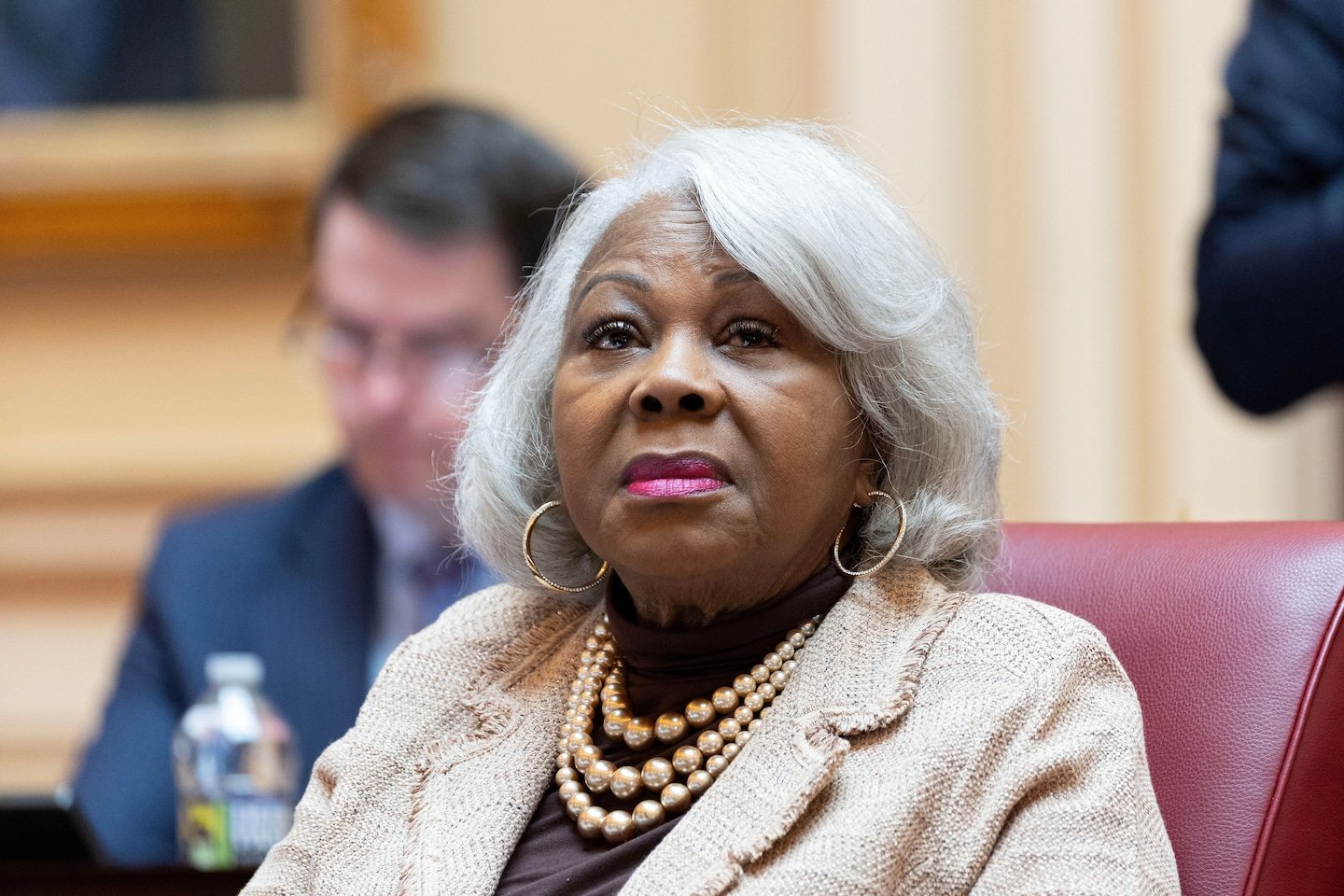
A federal law enforcement action targeting a business associated with Virginia State Senator L. Louise Lucas has triggered a politically sensitive investigation that places a senior Democratic lawmaker at the center of an unfolding criminal inquiry led by the Federal Bureau of Investigation.
What is confirmed is that FBI agents conducted a court-authorized search of a business connected to Lucas, who is one of the most senior and influential members of the Virginia State Senate.
The action forms part of an active federal investigation, though authorities have not publicly detailed the specific allegations or potential charges under review.
The search itself signals that investigators believe there is probable cause to examine records, communications, or financial activity tied to the business entity.
Lucas has not been charged with any crime.
The investigation remains in the evidence-gathering phase, and no formal indictment has been issued.
At this stage, the legal significance of the raid is procedural rather than determinative: it reflects investigative suspicion, not judicial conclusion.
Lucas is a long-serving Democratic lawmaker with significant influence over state legislative priorities, particularly in economic development and infrastructure policy.
That position increases the political sensitivity of the federal action, especially as it intersects with ongoing debates over public contracting, local development projects, and regulatory oversight in Virginia.
Federal investigations involving elected officials typically proceed through sealed warrants and coordinated review of financial records, procurement documentation, and communications tied to public or semi-public entities.
While the specific scope of this case has not been disclosed, such inquiries often focus on potential conflicts of interest, misuse of public funds, or irregularities in contracting or business relationships involving government-linked projects.
The immediate consequence of the FBI search is political rather than legal.
It places Lucas under intensified public scrutiny and introduces pressure on both state legislative leadership and federal investigators to clarify the scope and direction of the case.
It also raises the likelihood of formal disclosure in court filings if charges are eventually pursued.
For Virginia politics, the development carries broader implications.
Senior legislators under federal investigation can face immediate impacts on committee assignments, legislative influence, and party dynamics, even before any legal findings are reached.
The situation also adds to a growing pattern nationally in which federal authorities have increasingly scrutinized state-level officials over financial and governance-related allegations.
The investigation is ongoing, and the next stage will depend on whether federal prosecutors determine that the evidence gathered during the search supports criminal charges or whether the inquiry remains in a broader investigative phase without indictment.
What is confirmed is that FBI agents conducted a court-authorized search of a business connected to Lucas, who is one of the most senior and influential members of the Virginia State Senate.
The action forms part of an active federal investigation, though authorities have not publicly detailed the specific allegations or potential charges under review.
The search itself signals that investigators believe there is probable cause to examine records, communications, or financial activity tied to the business entity.
Lucas has not been charged with any crime.
The investigation remains in the evidence-gathering phase, and no formal indictment has been issued.
At this stage, the legal significance of the raid is procedural rather than determinative: it reflects investigative suspicion, not judicial conclusion.
Lucas is a long-serving Democratic lawmaker with significant influence over state legislative priorities, particularly in economic development and infrastructure policy.
That position increases the political sensitivity of the federal action, especially as it intersects with ongoing debates over public contracting, local development projects, and regulatory oversight in Virginia.
Federal investigations involving elected officials typically proceed through sealed warrants and coordinated review of financial records, procurement documentation, and communications tied to public or semi-public entities.
While the specific scope of this case has not been disclosed, such inquiries often focus on potential conflicts of interest, misuse of public funds, or irregularities in contracting or business relationships involving government-linked projects.
The immediate consequence of the FBI search is political rather than legal.
It places Lucas under intensified public scrutiny and introduces pressure on both state legislative leadership and federal investigators to clarify the scope and direction of the case.
It also raises the likelihood of formal disclosure in court filings if charges are eventually pursued.
For Virginia politics, the development carries broader implications.
Senior legislators under federal investigation can face immediate impacts on committee assignments, legislative influence, and party dynamics, even before any legal findings are reached.
The situation also adds to a growing pattern nationally in which federal authorities have increasingly scrutinized state-level officials over financial and governance-related allegations.
The investigation is ongoing, and the next stage will depend on whether federal prosecutors determine that the evidence gathered during the search supports criminal charges or whether the inquiry remains in a broader investigative phase without indictment.