Focus on the BIG picture.
Wednesday, May 06, 2026
Outside the box.

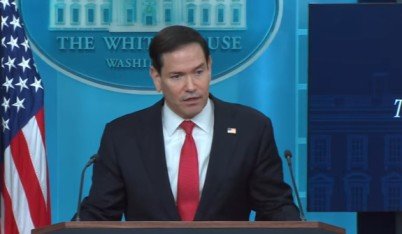
Rubio Outlines U.S. Foreign Policy Priorities in May 5 Media Briefing
Secretary of State addresses security tensions, alliances, and strategic objectives amid volatile global conditions
U.S. Secretary of State Marco Rubio used a May 5 briefing with members of the media to set out the administration’s current foreign policy posture, focusing on active conflict zones, strategic competition with major powers, and the stability of global trade routes.
The briefing reflects an actor-driven effort to clarify U.S. priorities at a moment of heightened geopolitical strain.
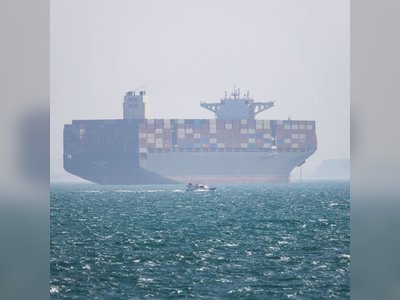
What is confirmed is that Rubio addressed multiple overlapping security challenges, including tensions in the Middle East and concerns over maritime stability in key shipping corridors.
He emphasized the U.S. position that freedom of navigation and the uninterrupted flow of global commerce remain core national interests, signaling continued readiness to deploy diplomatic and, where necessary, military tools to protect them.
Rubio also reiterated U.S. commitments to longstanding alliances, framing them as central to both deterrence and crisis response.
He described ongoing coordination with partners in Europe and Asia as essential to managing regional instability and countering adversarial actions.
The remarks underscored a strategy built on coalition-based pressure rather than unilateral action.
On Iran, Rubio’s comments focused on deterrence and accountability.
He linked recent regional instability to Iranian-backed actors, while maintaining that the United States is seeking to prevent escalation into broader conflict.
The mechanism described involves a combination of sanctions, diplomatic signaling, and defensive military positioning designed to contain threats without triggering direct confrontation.
The briefing also addressed competition with China, particularly in economic and technological domains.
Rubio characterized the relationship as a long-term strategic rivalry, with the U.S. aiming to protect critical industries, secure supply chains, and maintain an edge in emerging technologies.
He framed these efforts as defensive rather than confrontational, though the policies described imply sustained economic decoupling in sensitive sectors.
On Ukraine, Rubio reaffirmed continued U.S. support, describing it as part of a broader effort to uphold international norms against territorial aggression.
He emphasized that assistance is intended to strengthen Ukraine’s negotiating position and deter further advances, while also acknowledging the financial and political pressures associated with prolonged support.
Domestically, the briefing served a political function by presenting a coherent narrative of U.S. engagement abroad.
Rubio positioned current policy as disciplined and interest-driven, aiming to balance military restraint with strategic assertiveness.
This framing responds to both domestic skepticism about foreign interventions and international expectations of U.S. leadership.
The immediate consequence of the briefing is a clearer articulation of U.S. priorities across multiple theaters, reinforcing signals already being sent through diplomatic and military channels.
It also sets expectations for continued involvement in key global disputes, particularly where trade routes, alliances, and deterrence are at stake.
The next phase will be measured by policy execution, including coordination with allies, enforcement of sanctions, and the management of flashpoints that could escalate rapidly if miscalculated.
The briefing reflects an actor-driven effort to clarify U.S. priorities at a moment of heightened geopolitical strain.
What is confirmed is that Rubio addressed multiple overlapping security challenges, including tensions in the Middle East and concerns over maritime stability in key shipping corridors.
He emphasized the U.S. position that freedom of navigation and the uninterrupted flow of global commerce remain core national interests, signaling continued readiness to deploy diplomatic and, where necessary, military tools to protect them.
Rubio also reiterated U.S. commitments to longstanding alliances, framing them as central to both deterrence and crisis response.
He described ongoing coordination with partners in Europe and Asia as essential to managing regional instability and countering adversarial actions.
The remarks underscored a strategy built on coalition-based pressure rather than unilateral action.
On Iran, Rubio’s comments focused on deterrence and accountability.
He linked recent regional instability to Iranian-backed actors, while maintaining that the United States is seeking to prevent escalation into broader conflict.
The mechanism described involves a combination of sanctions, diplomatic signaling, and defensive military positioning designed to contain threats without triggering direct confrontation.
The briefing also addressed competition with China, particularly in economic and technological domains.
Rubio characterized the relationship as a long-term strategic rivalry, with the U.S. aiming to protect critical industries, secure supply chains, and maintain an edge in emerging technologies.
He framed these efforts as defensive rather than confrontational, though the policies described imply sustained economic decoupling in sensitive sectors.
On Ukraine, Rubio reaffirmed continued U.S. support, describing it as part of a broader effort to uphold international norms against territorial aggression.
He emphasized that assistance is intended to strengthen Ukraine’s negotiating position and deter further advances, while also acknowledging the financial and political pressures associated with prolonged support.
Domestically, the briefing served a political function by presenting a coherent narrative of U.S. engagement abroad.
Rubio positioned current policy as disciplined and interest-driven, aiming to balance military restraint with strategic assertiveness.
This framing responds to both domestic skepticism about foreign interventions and international expectations of U.S. leadership.
The immediate consequence of the briefing is a clearer articulation of U.S. priorities across multiple theaters, reinforcing signals already being sent through diplomatic and military channels.
It also sets expectations for continued involvement in key global disputes, particularly where trade routes, alliances, and deterrence are at stake.
The next phase will be measured by policy execution, including coordination with allies, enforcement of sanctions, and the management of flashpoints that could escalate rapidly if miscalculated.