Focus on the BIG picture.
Wednesday, May 13, 2026
Outside the box.

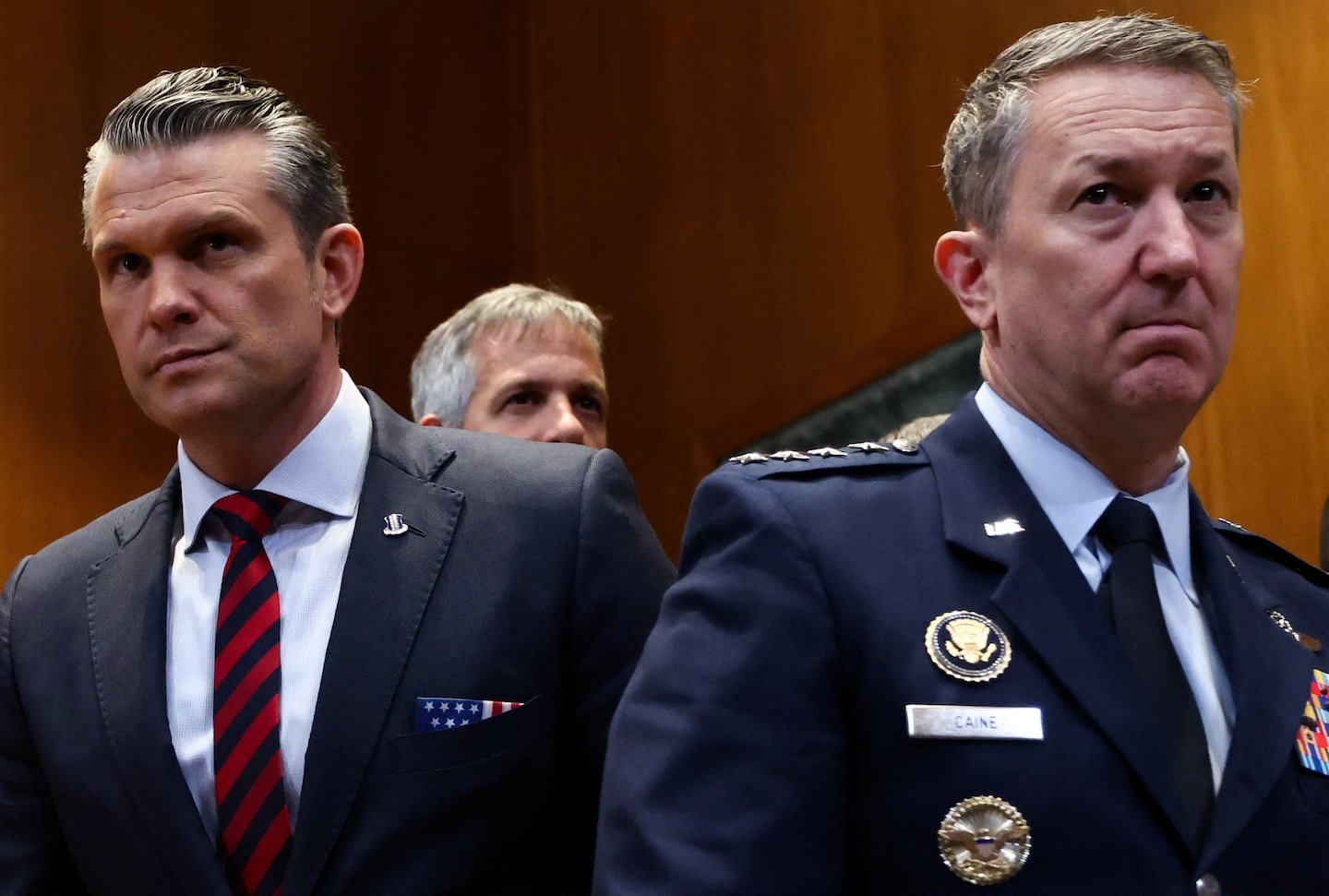
Hegseth and Caine Face Bipartisan Revolt Over Iran War Strategy and Costs
Congressional frustration is intensifying as the Trump administration struggles to explain the military, financial and legal trajectory of the expanding conflict with Iran.
The Trump administration’s handling of the war with Iran has entered a new phase of political danger as Defense Secretary Pete Hegseth and Joint Chiefs Chairman Gen. Dan Caine faced unusually sharp bipartisan criticism during congressional hearings on the Pentagon budget and the conduct of the conflict itself.
The hearings made clear that the central issue is no longer simply battlefield operations.
Lawmakers from both parties are increasingly questioning whether the administration has a coherent strategy, a sustainable military posture, or a credible legal and financial framework for continuing the war.
What is confirmed is that the Pentagon now estimates the cost of the conflict at roughly twenty-nine billion dollars, a rapid increase from earlier estimates only weeks ago.
Officials attributed the jump largely to operational expenses, repairs, replacement of weapons systems and replenishment of munitions stockpiles depleted during months of sustained operations.
The administration is simultaneously requesting a defense budget approaching one and a half trillion dollars, one of the largest military spending proposals in modern American history.
That combination — escalating war costs alongside record peacetime-style military expansion — has produced growing resistance even among Republicans who have generally supported Trump’s national security agenda.
At the center of the hearings was frustration over the absence of a clearly defined end state.
Senators and representatives repeatedly pressed Hegseth and Caine on what victory would actually mean, how long military operations are expected to continue, and whether the administration intends to seek formal congressional authorization under war powers requirements.
The administration’s legal position has become increasingly controversial.
Trump officials have argued that ceasefire periods and intermittent pauses in hostilities effectively suspend the countdown that would otherwise require congressional approval for extended military action.
Critics from both parties argue that the conflict has plainly continued through naval operations, missile exchanges, air campaigns and enforcement actions linked to Iran’s pressure campaign in the Strait of Hormuz.
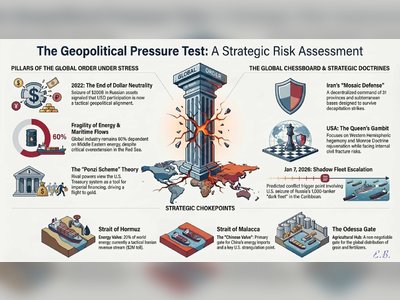
That dispute matters because the Strait of Hormuz is not a peripheral theater.
It is one of the world’s most important maritime chokepoints for oil exports.
Iranian actions affecting the strait have already disrupted energy markets, increased shipping insurance costs and contributed to fuel price volatility that is feeding directly into inflation concerns in the United States and abroad.
Lawmakers also expressed mounting concern over weapons depletion.
Members of Congress questioned whether the United States is consuming precision-guided munitions, missile defenses and naval assets at a pace that could weaken readiness for other potential conflicts, particularly involving China.
Hegseth insisted the Pentagon retains sufficient capacity and said industrial production is being expanded.
But military planners and outside analysts have increasingly warned that modern conflicts consume advanced munitions far faster than peacetime procurement systems are designed to replace them.
The hearings exposed growing unease that the United States may be testing the limits of its defense-industrial base during an open-ended regional war.
The political atmosphere around the conflict has also hardened.
During earlier appearances, Hegseth openly attacked congressional critics, accusing Democrats and some Republicans of undermining the war effort.
In the latest hearings he adopted a more restrained tone, but frustration from lawmakers intensified nonetheless.
Republican concerns are no longer confined to process questions.
Some GOP senators challenged the administration over strained relations with NATO allies, uncertainty surrounding coalition support and the administration’s broader geopolitical priorities.
Democrats, meanwhile, focused heavily on transparency, demanding detailed accounting of war costs, clearer casualty assessments and formal justification for continued military operations.
The administration’s messaging has added to confusion.
Trump officials have at times described the conflict as effectively contained or stabilized while simultaneously defending ongoing military deployments, blockade enforcement and expanded regional deterrence operations.
That contradiction has fueled accusations that the White House is attempting to politically frame the war as limited while operationally managing a prolonged confrontation.
Gen. Caine largely avoided direct political confrontation during testimony, but lawmakers repeatedly pushed military leaders for operational clarity they did not fully provide in public session.
Questions about the durability of ceasefire arrangements, the scale of Iranian military degradation and the sustainability of U.S. naval operations received incomplete answers.
The hearings also exposed broader institutional tensions inside Washington.
Congress is increasingly asserting its constitutional role after years in which presidents of both parties expanded military operations with limited legislative constraint.
Several lawmakers signaled that future funding approvals could become more contentious unless the administration provides a more detailed strategy and timetable.
The stakes extend beyond domestic politics.
Financial markets, energy traders and allied governments are closely watching whether the United States can maintain military pressure on Iran without triggering wider regional escalation or exhausting domestic political support.
Every additional month of conflict increases pressure on defense production, shipping networks, fuel markets and federal spending.
The practical consequence of the hearings is that the Iran war is no longer being debated only as a foreign policy operation.
It is now becoming a test of presidential war powers, congressional oversight, military sustainability and the economic limits of prolonged high-intensity conflict.
The administration leaves the hearings with funding authority still intact, but with significantly diminished bipartisan confidence in its strategic clarity and long-term planning.
The hearings made clear that the central issue is no longer simply battlefield operations.
Lawmakers from both parties are increasingly questioning whether the administration has a coherent strategy, a sustainable military posture, or a credible legal and financial framework for continuing the war.
What is confirmed is that the Pentagon now estimates the cost of the conflict at roughly twenty-nine billion dollars, a rapid increase from earlier estimates only weeks ago.
Officials attributed the jump largely to operational expenses, repairs, replacement of weapons systems and replenishment of munitions stockpiles depleted during months of sustained operations.
The administration is simultaneously requesting a defense budget approaching one and a half trillion dollars, one of the largest military spending proposals in modern American history.
That combination — escalating war costs alongside record peacetime-style military expansion — has produced growing resistance even among Republicans who have generally supported Trump’s national security agenda.
At the center of the hearings was frustration over the absence of a clearly defined end state.
Senators and representatives repeatedly pressed Hegseth and Caine on what victory would actually mean, how long military operations are expected to continue, and whether the administration intends to seek formal congressional authorization under war powers requirements.
The administration’s legal position has become increasingly controversial.
Trump officials have argued that ceasefire periods and intermittent pauses in hostilities effectively suspend the countdown that would otherwise require congressional approval for extended military action.
Critics from both parties argue that the conflict has plainly continued through naval operations, missile exchanges, air campaigns and enforcement actions linked to Iran’s pressure campaign in the Strait of Hormuz.
That dispute matters because the Strait of Hormuz is not a peripheral theater.
It is one of the world’s most important maritime chokepoints for oil exports.
Iranian actions affecting the strait have already disrupted energy markets, increased shipping insurance costs and contributed to fuel price volatility that is feeding directly into inflation concerns in the United States and abroad.
Lawmakers also expressed mounting concern over weapons depletion.
Members of Congress questioned whether the United States is consuming precision-guided munitions, missile defenses and naval assets at a pace that could weaken readiness for other potential conflicts, particularly involving China.
Hegseth insisted the Pentagon retains sufficient capacity and said industrial production is being expanded.
But military planners and outside analysts have increasingly warned that modern conflicts consume advanced munitions far faster than peacetime procurement systems are designed to replace them.
The hearings exposed growing unease that the United States may be testing the limits of its defense-industrial base during an open-ended regional war.
The political atmosphere around the conflict has also hardened.
During earlier appearances, Hegseth openly attacked congressional critics, accusing Democrats and some Republicans of undermining the war effort.
In the latest hearings he adopted a more restrained tone, but frustration from lawmakers intensified nonetheless.
Republican concerns are no longer confined to process questions.
Some GOP senators challenged the administration over strained relations with NATO allies, uncertainty surrounding coalition support and the administration’s broader geopolitical priorities.
Democrats, meanwhile, focused heavily on transparency, demanding detailed accounting of war costs, clearer casualty assessments and formal justification for continued military operations.
The administration’s messaging has added to confusion.
Trump officials have at times described the conflict as effectively contained or stabilized while simultaneously defending ongoing military deployments, blockade enforcement and expanded regional deterrence operations.
That contradiction has fueled accusations that the White House is attempting to politically frame the war as limited while operationally managing a prolonged confrontation.
Gen. Caine largely avoided direct political confrontation during testimony, but lawmakers repeatedly pushed military leaders for operational clarity they did not fully provide in public session.
Questions about the durability of ceasefire arrangements, the scale of Iranian military degradation and the sustainability of U.S. naval operations received incomplete answers.
The hearings also exposed broader institutional tensions inside Washington.
Congress is increasingly asserting its constitutional role after years in which presidents of both parties expanded military operations with limited legislative constraint.
Several lawmakers signaled that future funding approvals could become more contentious unless the administration provides a more detailed strategy and timetable.
The stakes extend beyond domestic politics.
Financial markets, energy traders and allied governments are closely watching whether the United States can maintain military pressure on Iran without triggering wider regional escalation or exhausting domestic political support.
Every additional month of conflict increases pressure on defense production, shipping networks, fuel markets and federal spending.
The practical consequence of the hearings is that the Iran war is no longer being debated only as a foreign policy operation.
It is now becoming a test of presidential war powers, congressional oversight, military sustainability and the economic limits of prolonged high-intensity conflict.
The administration leaves the hearings with funding authority still intact, but with significantly diminished bipartisan confidence in its strategic clarity and long-term planning.