Focus on the BIG picture.
Wednesday, May 13, 2026
Outside the box.

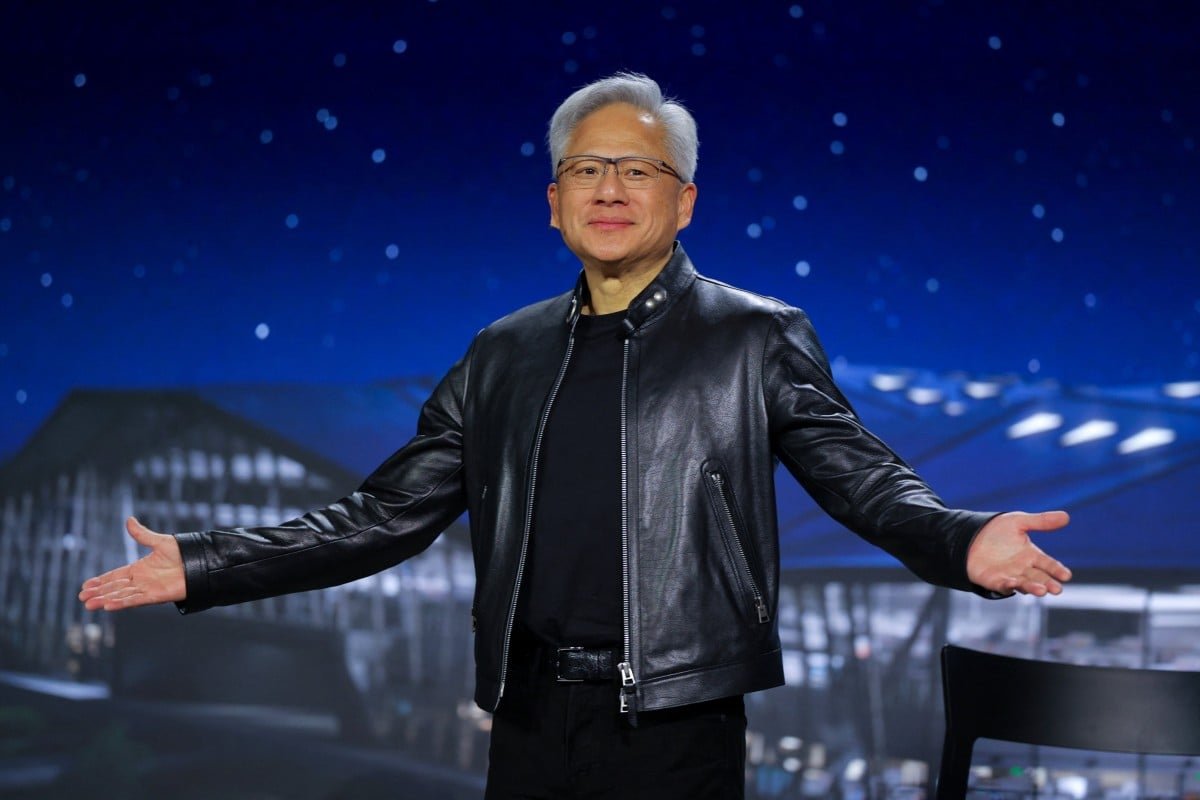
Nvidia Chief Jensen Huang Reportedly Linked to Potential China Trip With Trump in Emerging Tech Diplomacy Signal
A developing account suggests a possible alignment of high-level political travel and semiconductor industry leadership, highlighting how AI chip supply chains are becoming central to US–China strategic engagement.
An emerging diplomatic and commercial development involving semiconductor industry leadership and high-level political travel underscores the growing entanglement between artificial intelligence infrastructure and state-level geopolitics.
The central actor in the story is Nvidia, the US-based chip designer whose advanced processors dominate global AI training systems, and its chief executive Jensen Huang, whose name has been associated with a potential China-bound trip involving Donald Trump.
What is confirmed at this stage is limited to the broader structural reality: Nvidia occupies a critical position in the global AI supply chain, and US–China relations over advanced semiconductor technology remain a defining constraint on how AI systems are developed, deployed, and exported.
Against this backdrop, a developing account indicates that Huang could be linked to a China trip connected to Trump’s international travel plans, creating a convergence of political diplomacy and private-sector technology leadership.
The mechanism that makes this development significant is not the travel itself, but what it represents in terms of informal policy signaling.
In modern technology geopolitics, executives of strategically critical firms often function as quasi-diplomatic actors.
Their presence in high-level delegations can signal shifts in export policy posture, investment expectations, or regulatory tone even when no formal agreement is announced.
Nvidia sits at the center of this dynamic because its graphics processing units are essential for training large-scale artificial intelligence systems.
These chips are heavily restricted under US export controls, with successive rounds of policy tightening aimed at limiting China’s access to the most advanced AI computing hardware.
Any perceived softening or recalibration of political messaging around such companies can therefore carry outsized market and geopolitical implications.
The inclusion of business leadership in politically associated travel also reflects a broader pattern in US–China economic relations.
Technology companies are increasingly used as both channels of communication and instruments of strategic leverage.
Semiconductor firms in particular operate under dual pressure: maintaining access to Chinese markets while complying with domestic national security restrictions imposed by Washington.
Donald Trump’s potential involvement adds a further layer of political signaling risk.
High-profile visits or engagements involving China are closely watched for indications of future trade posture, tariff strategy, and technology policy direction.
Even informal associations between political figures and technology executives can influence market expectations, particularly in sectors as sensitive as semiconductors and artificial intelligence infrastructure.
The stakes for Nvidia are structurally high.
The company’s growth is driven primarily by demand for AI training infrastructure from US hyperscalers and global cloud providers, but China remains a historically significant market and a key node in global electronics supply chains.
Navigating export restrictions while sustaining global demand has become a defining operational constraint for the firm.
At the same time, China continues to accelerate domestic semiconductor development in response to US restrictions, investing heavily in indigenous chip design, manufacturing capacity, and AI model training ecosystems.
This creates a competitive environment in which access to cutting-edge US hardware is both economically valuable and politically sensitive.
If the reported linkage between Huang and a Trump-associated China trip materializes in formal terms, it would reflect a broader normalization of technology executives participating in geopolitical signaling processes that were once the domain of diplomats alone.
This shift is driven by the fact that control over compute infrastructure now functions as a core element of national power, not just industrial capacity.
For global markets, the key implication is that AI infrastructure companies are no longer insulated commercial actors.
Their leadership movements, public engagements, and international interactions are increasingly interpreted as signals of potential policy direction.
In this environment, even preliminary or informal associations between political travel and semiconductor executives can influence expectations across technology, trade, and investment systems.
The broader trajectory is clear: artificial intelligence development is becoming inseparable from geopolitical negotiation over chips, compute access, and cross-border technology flows, placing firms like Nvidia at the intersection of corporate strategy and state-level power competition.
The central actor in the story is Nvidia, the US-based chip designer whose advanced processors dominate global AI training systems, and its chief executive Jensen Huang, whose name has been associated with a potential China-bound trip involving Donald Trump.
What is confirmed at this stage is limited to the broader structural reality: Nvidia occupies a critical position in the global AI supply chain, and US–China relations over advanced semiconductor technology remain a defining constraint on how AI systems are developed, deployed, and exported.
Against this backdrop, a developing account indicates that Huang could be linked to a China trip connected to Trump’s international travel plans, creating a convergence of political diplomacy and private-sector technology leadership.
The mechanism that makes this development significant is not the travel itself, but what it represents in terms of informal policy signaling.
In modern technology geopolitics, executives of strategically critical firms often function as quasi-diplomatic actors.
Their presence in high-level delegations can signal shifts in export policy posture, investment expectations, or regulatory tone even when no formal agreement is announced.
Nvidia sits at the center of this dynamic because its graphics processing units are essential for training large-scale artificial intelligence systems.
These chips are heavily restricted under US export controls, with successive rounds of policy tightening aimed at limiting China’s access to the most advanced AI computing hardware.
Any perceived softening or recalibration of political messaging around such companies can therefore carry outsized market and geopolitical implications.
The inclusion of business leadership in politically associated travel also reflects a broader pattern in US–China economic relations.
Technology companies are increasingly used as both channels of communication and instruments of strategic leverage.
Semiconductor firms in particular operate under dual pressure: maintaining access to Chinese markets while complying with domestic national security restrictions imposed by Washington.
Donald Trump’s potential involvement adds a further layer of political signaling risk.
High-profile visits or engagements involving China are closely watched for indications of future trade posture, tariff strategy, and technology policy direction.
Even informal associations between political figures and technology executives can influence market expectations, particularly in sectors as sensitive as semiconductors and artificial intelligence infrastructure.
The stakes for Nvidia are structurally high.
The company’s growth is driven primarily by demand for AI training infrastructure from US hyperscalers and global cloud providers, but China remains a historically significant market and a key node in global electronics supply chains.
Navigating export restrictions while sustaining global demand has become a defining operational constraint for the firm.
At the same time, China continues to accelerate domestic semiconductor development in response to US restrictions, investing heavily in indigenous chip design, manufacturing capacity, and AI model training ecosystems.
This creates a competitive environment in which access to cutting-edge US hardware is both economically valuable and politically sensitive.
If the reported linkage between Huang and a Trump-associated China trip materializes in formal terms, it would reflect a broader normalization of technology executives participating in geopolitical signaling processes that were once the domain of diplomats alone.
This shift is driven by the fact that control over compute infrastructure now functions as a core element of national power, not just industrial capacity.
For global markets, the key implication is that AI infrastructure companies are no longer insulated commercial actors.
Their leadership movements, public engagements, and international interactions are increasingly interpreted as signals of potential policy direction.
In this environment, even preliminary or informal associations between political travel and semiconductor executives can influence expectations across technology, trade, and investment systems.
The broader trajectory is clear: artificial intelligence development is becoming inseparable from geopolitical negotiation over chips, compute access, and cross-border technology flows, placing firms like Nvidia at the intersection of corporate strategy and state-level power competition.