Focus on the BIG picture.
Thursday, Apr 23, 2026
Outside the box.

Pentagon Warns Clearing Hormuz Mines Could Take Up to Six Months, Congress Told
U.S. defence officials have informed lawmakers that mine clearance in the Strait of Hormuz may require an extended operation, potentially prolonging global energy market disruption.
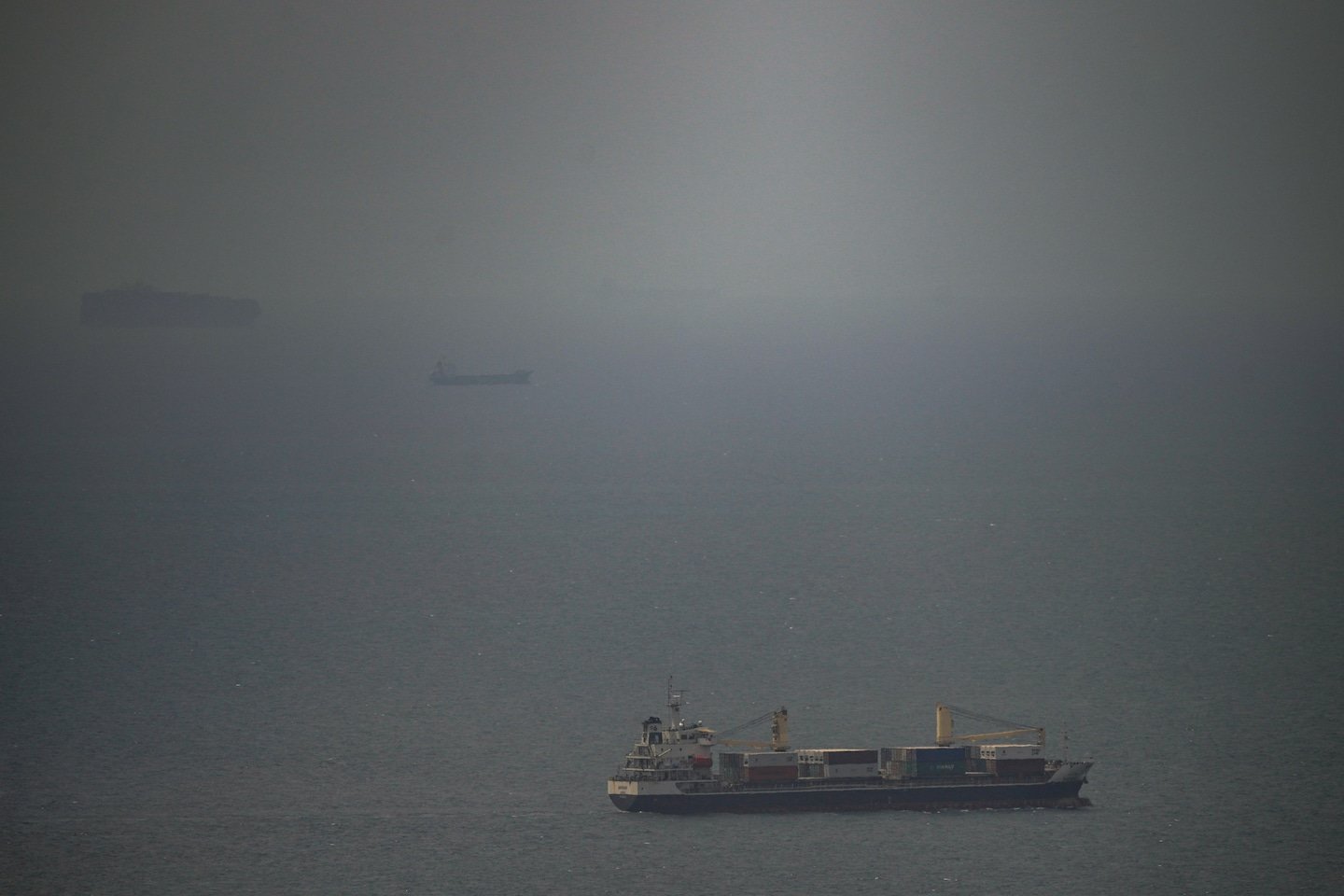
The Pentagon has told members of Congress that clearing naval mines from the Strait of Hormuz could take up to six months, according to officials briefed on the assessment, underscoring the scale and complexity of restoring safe passage through one of the world’s most critical energy corridors.
The estimate was presented during a closed-door briefing to the House Armed Services Committee, where defence officials outlined that Iran may have deployed more than 20 naval mines in and around the strait.
Some of these devices are believed to have been placed using small boats, while others may have been released remotely and guided using GPS systems, complicating detection and removal efforts.
The Strait of Hormuz, through which a significant portion of global oil shipments transits, has been under severe strain amid heightened regional tensions.
Officials indicated that any large-scale clearance operation is unlikely to begin until active hostilities conclude, raising concerns that economic disruption in global energy markets could persist well beyond a ceasefire or diplomatic breakthrough.
The Pentagon’s assessment highlights the operational challenge facing naval forces tasked with mine countermeasures.
The process typically requires specialised vessels, helicopters, unmanned systems, and divers working sequentially to locate, identify, and neutralise explosive devices.
Even under optimal conditions, the work is slow and methodical, particularly in narrow maritime corridors with heavy commercial traffic and potential ongoing security risks.
Lawmakers from both major political parties reportedly expressed frustration at the timeline, noting the potential for prolonged pressure on fuel prices and shipping insurance costs.
The strait is widely regarded as one of the most strategically sensitive waterways in the world, with a substantial share of global crude oil exports passing through its waters.
Officials also emphasised that the six-month estimate reflects current intelligence assumptions and operational constraints, and could change depending on the scope of damage, the density of mines, and whether hostilities continue or intensify in the region.
Despite ongoing debate over the precise scale of the threat, the briefing reinforced concerns in Washington that maritime security in the Gulf will remain a central geopolitical and economic issue for the foreseeable future, with implications extending well beyond the immediate conflict environment.
The estimate was presented during a closed-door briefing to the House Armed Services Committee, where defence officials outlined that Iran may have deployed more than 20 naval mines in and around the strait.
Some of these devices are believed to have been placed using small boats, while others may have been released remotely and guided using GPS systems, complicating detection and removal efforts.
The Strait of Hormuz, through which a significant portion of global oil shipments transits, has been under severe strain amid heightened regional tensions.
Officials indicated that any large-scale clearance operation is unlikely to begin until active hostilities conclude, raising concerns that economic disruption in global energy markets could persist well beyond a ceasefire or diplomatic breakthrough.
The Pentagon’s assessment highlights the operational challenge facing naval forces tasked with mine countermeasures.
The process typically requires specialised vessels, helicopters, unmanned systems, and divers working sequentially to locate, identify, and neutralise explosive devices.
Even under optimal conditions, the work is slow and methodical, particularly in narrow maritime corridors with heavy commercial traffic and potential ongoing security risks.
Lawmakers from both major political parties reportedly expressed frustration at the timeline, noting the potential for prolonged pressure on fuel prices and shipping insurance costs.
The strait is widely regarded as one of the most strategically sensitive waterways in the world, with a substantial share of global crude oil exports passing through its waters.
Officials also emphasised that the six-month estimate reflects current intelligence assumptions and operational constraints, and could change depending on the scope of damage, the density of mines, and whether hostilities continue or intensify in the region.
Despite ongoing debate over the precise scale of the threat, the briefing reinforced concerns in Washington that maritime security in the Gulf will remain a central geopolitical and economic issue for the foreseeable future, with implications extending well beyond the immediate conflict environment.