Focus on the BIG picture.
Thursday, Apr 23, 2026
Outside the box.

White House Moves Toward Rapid Easing of Federal Marijuana Restrictions Amid Rescheduling Push
US officials are preparing an imminent shift in cannabis policy that could downgrade marijuana’s federal classification, opening the door to expanded medical research and regulatory relief for the industry.
The White House is advancing plans to significantly ease federal restrictions on marijuana, with officials preparing what is described as an imminent policy shift that could reclassify the drug under the Controlled Substances Act, according to developments reported by multiple sources familiar with the process.
The expected change would move marijuana from Schedule I, the most restrictive category reserved for substances deemed to have high abuse potential and no accepted medical use, to Schedule III, a classification that includes drugs with recognised medical applications and lower perceived risk.
This adjustment would mark one of the most consequential federal changes in decades regarding cannabis regulation in the United States.
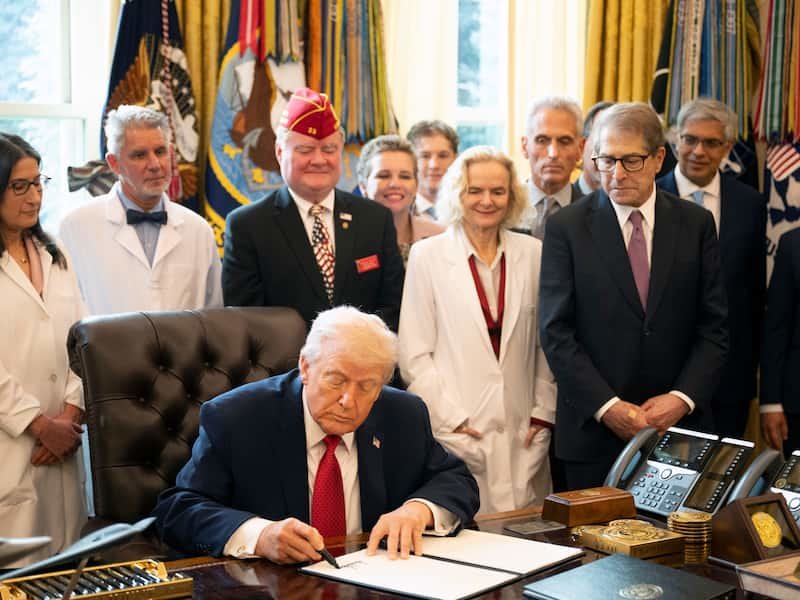
The move follows a series of executive actions aimed at reshaping federal cannabis policy, including a directive issued in late 2025 instructing agencies to expedite the review of marijuana’s classification.
That directive set in motion a formal administrative process involving the Department of Justice and the Drug Enforcement Administration, both of which retain procedural authority over any final rescheduling decision.
Officials involved in the process have indicated that the administration is preparing additional steps, potentially including an administrative hearing that would advance the formal rulemaking required for any final reclassification.
However, sources note that the process remains subject to regulatory procedures, legal review, and possible adjustment before implementation.
A shift to Schedule III would not amount to full legalisation of recreational cannabis at the federal level, but it would carry significant regulatory consequences.
It would ease restrictions on scientific and medical research, allow for broader clinical studies, and could reduce certain tax constraints currently applied to cannabis businesses under federal law.
It may also encourage greater alignment between federal policy and state-level cannabis regulations, which vary widely across the country.
The cannabis industry has responded positively to the prospect of rescheduling, with expectations that the change could improve access to financial services and support expansion in medical research.
At the same time, regulatory uncertainty remains, as the final decision depends on completion of formal administrative steps and the resolution of any legal challenges that may arise during the rulemaking process.
Marijuana remains widely used across the United States, and policy discussions continue to reflect a broader national debate over its medical value, public health implications, and regulatory framework.
The anticipated policy shift underscores a growing federal willingness to reconsider long-standing classifications as part of a broader reassessment of cannabis regulation.
The expected change would move marijuana from Schedule I, the most restrictive category reserved for substances deemed to have high abuse potential and no accepted medical use, to Schedule III, a classification that includes drugs with recognised medical applications and lower perceived risk.
This adjustment would mark one of the most consequential federal changes in decades regarding cannabis regulation in the United States.
The move follows a series of executive actions aimed at reshaping federal cannabis policy, including a directive issued in late 2025 instructing agencies to expedite the review of marijuana’s classification.
That directive set in motion a formal administrative process involving the Department of Justice and the Drug Enforcement Administration, both of which retain procedural authority over any final rescheduling decision.
Officials involved in the process have indicated that the administration is preparing additional steps, potentially including an administrative hearing that would advance the formal rulemaking required for any final reclassification.
However, sources note that the process remains subject to regulatory procedures, legal review, and possible adjustment before implementation.
A shift to Schedule III would not amount to full legalisation of recreational cannabis at the federal level, but it would carry significant regulatory consequences.
It would ease restrictions on scientific and medical research, allow for broader clinical studies, and could reduce certain tax constraints currently applied to cannabis businesses under federal law.
It may also encourage greater alignment between federal policy and state-level cannabis regulations, which vary widely across the country.
The cannabis industry has responded positively to the prospect of rescheduling, with expectations that the change could improve access to financial services and support expansion in medical research.
At the same time, regulatory uncertainty remains, as the final decision depends on completion of formal administrative steps and the resolution of any legal challenges that may arise during the rulemaking process.
Marijuana remains widely used across the United States, and policy discussions continue to reflect a broader national debate over its medical value, public health implications, and regulatory framework.
The anticipated policy shift underscores a growing federal willingness to reconsider long-standing classifications as part of a broader reassessment of cannabis regulation.