Focus on the BIG picture.
Sunday, Apr 26, 2026
Outside the box.

Trump Cancels Pakistan Trip by Witkoff and Kushner as Iran Talks Stall
US president pulls back planned envoy mission to Islamabad amid disputed Iran peace negotiations, citing cost, travel burden, and lack of clarity in Iranian leadership
The diplomatic effort to broker a ceasefire framework involving the United States and Iran has been disrupted after President Donald Trump canceled a planned trip by two senior envoys—special envoy Steve Witkoff and senior adviser Jared Kushner—to Pakistan for indirect peace discussions.
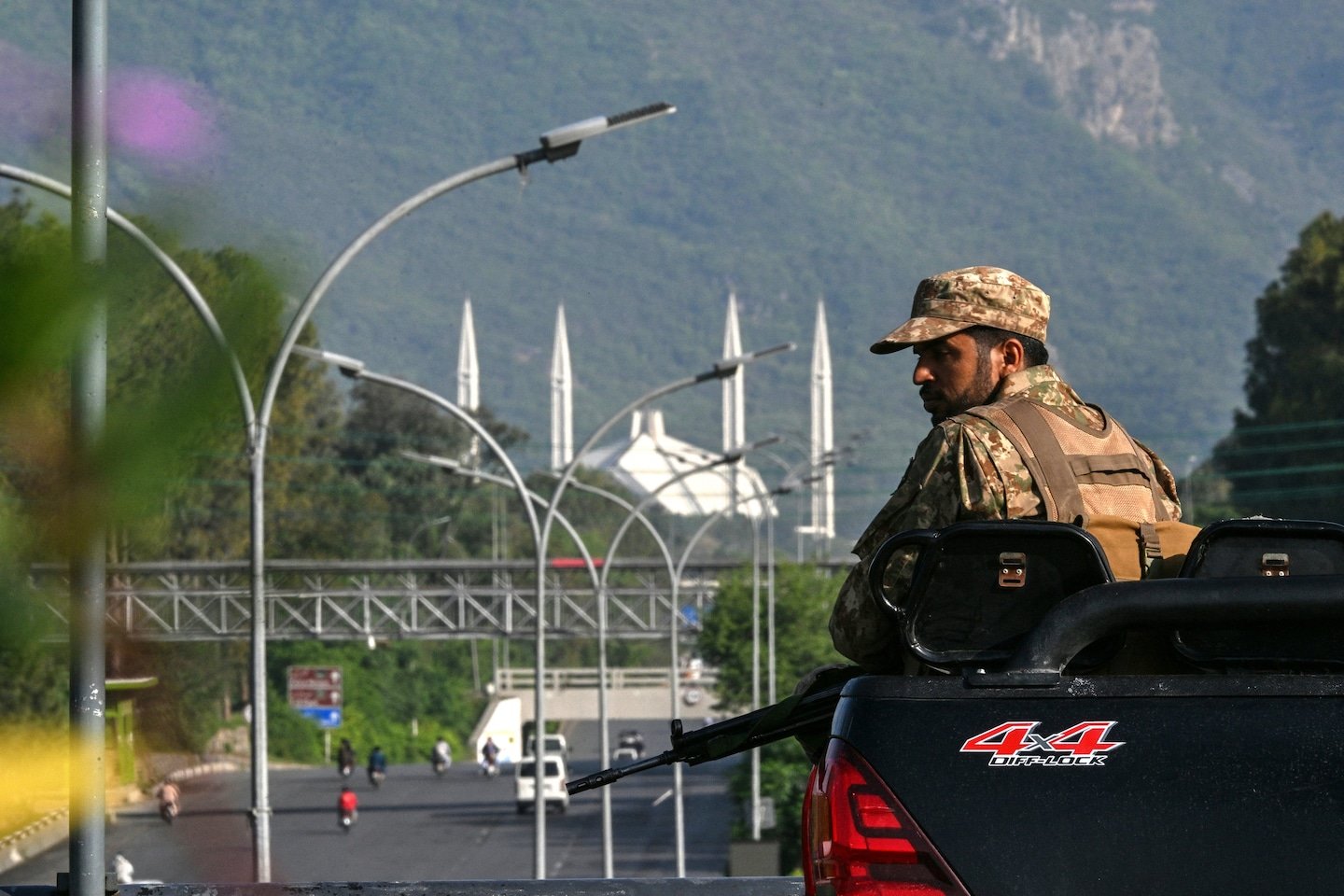
The Pakistan meeting had been prepared as part of a mediation track involving Iranian officials and regional intermediaries, with Islamabad positioned as a neutral venue for contact between Washington and Tehran.
The delegation was expected to explore terms related to de-escalation after weeks of heightened military tension in the region.
However, the mission was called off before departure.
What is confirmed is that Trump publicly announced the cancellation shortly after the White House had indicated the envoys would travel.
He said the decision was driven by what he described as excessive travel time, administrative burden, and a lack of clarity over Iran’s internal decision-making structure.
He also stated that the United States would not continue with high-cost diplomatic travel if there was no clear negotiating counterpart, adding that Iran could initiate contact directly if it wished to continue discussions.
The cancellation follows an earlier round of high-level talks involving US officials in Pakistan that failed to produce a breakthrough.
Those discussions reportedly centered on core disputes including Iran’s nuclear program, sanctions relief, and control over strategic maritime routes such as the Strait of Hormuz.
Subsequent reporting indicates that positions remain far apart, with the United States seeking significant restrictions on Iran’s nuclear capabilities and Iran demanding relief from sanctions and recognition of its regional security concerns.
Pakistan’s role in the process has been as a facilitator rather than a direct negotiator, hosting diplomatic contact and enabling indirect communication channels.
Iranian officials have engaged with intermediaries there, but there is no confirmed agreement on direct US–Iran negotiations at this stage.
The immediate consequence of the cancellation is a slowdown in what had been a rapidly evolving diplomatic track, with both sides appearing to rely on intermediaries rather than direct talks.
The decision also signals continued uncertainty in the US approach, where high-level engagement has been paired with abrupt reversals and shifting conditions.
With negotiations stalled and no confirmed next meeting scheduled, diplomatic pressure now shifts back to regional intermediaries, while broader tensions linked to sanctions, military posture, and energy routes continue to shape the trajectory of the conflict.
The Pakistan meeting had been prepared as part of a mediation track involving Iranian officials and regional intermediaries, with Islamabad positioned as a neutral venue for contact between Washington and Tehran.
The delegation was expected to explore terms related to de-escalation after weeks of heightened military tension in the region.
However, the mission was called off before departure.
What is confirmed is that Trump publicly announced the cancellation shortly after the White House had indicated the envoys would travel.
He said the decision was driven by what he described as excessive travel time, administrative burden, and a lack of clarity over Iran’s internal decision-making structure.
He also stated that the United States would not continue with high-cost diplomatic travel if there was no clear negotiating counterpart, adding that Iran could initiate contact directly if it wished to continue discussions.
The cancellation follows an earlier round of high-level talks involving US officials in Pakistan that failed to produce a breakthrough.
Those discussions reportedly centered on core disputes including Iran’s nuclear program, sanctions relief, and control over strategic maritime routes such as the Strait of Hormuz.
Subsequent reporting indicates that positions remain far apart, with the United States seeking significant restrictions on Iran’s nuclear capabilities and Iran demanding relief from sanctions and recognition of its regional security concerns.
Pakistan’s role in the process has been as a facilitator rather than a direct negotiator, hosting diplomatic contact and enabling indirect communication channels.
Iranian officials have engaged with intermediaries there, but there is no confirmed agreement on direct US–Iran negotiations at this stage.
The immediate consequence of the cancellation is a slowdown in what had been a rapidly evolving diplomatic track, with both sides appearing to rely on intermediaries rather than direct talks.
The decision also signals continued uncertainty in the US approach, where high-level engagement has been paired with abrupt reversals and shifting conditions.
With negotiations stalled and no confirmed next meeting scheduled, diplomatic pressure now shifts back to regional intermediaries, while broader tensions linked to sanctions, military posture, and energy routes continue to shape the trajectory of the conflict.