Focus on the BIG picture.
Saturday, May 16, 2026
Outside the box.

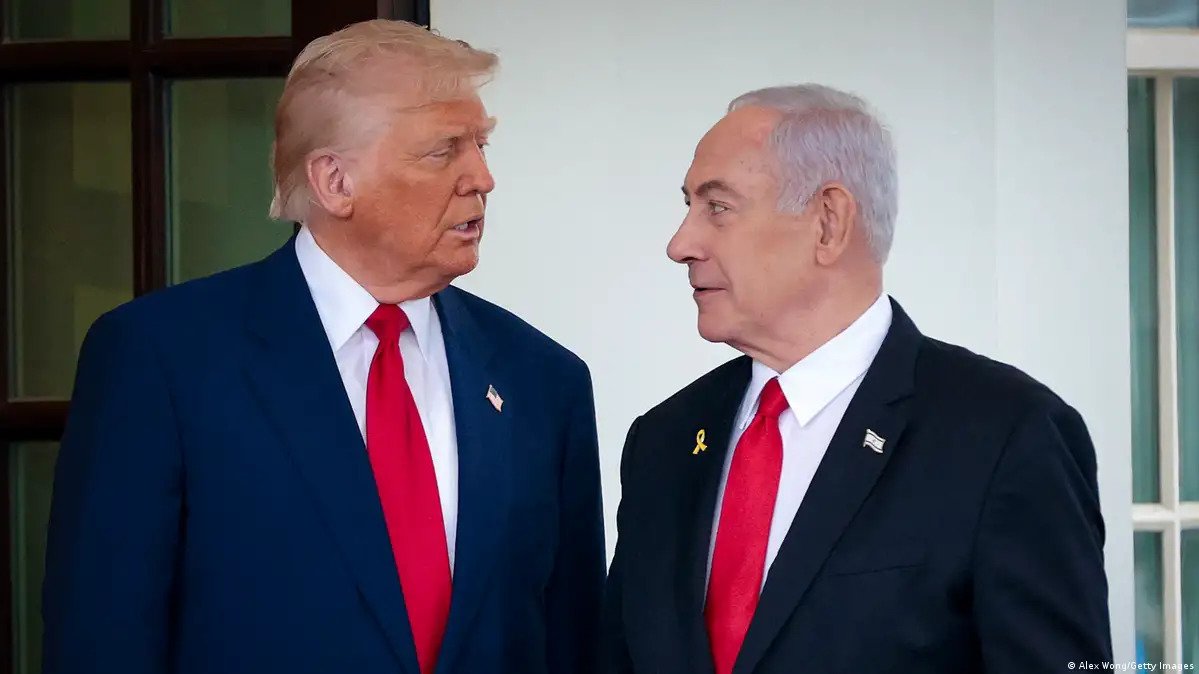
Trump Frames U.S. Iran Policy as Regional Protection Strategy Involving Gulf States and China
Former U.S. president says American actions linked to Iran are aimed at protecting multiple Gulf allies and stabilizing global energy and security interests
A major geopolitical statement from former U.S. President Donald Trump has added new political framing to the escalating confrontation involving Iran and the United States, with implications for Israel and several Gulf Arab states.
The core claim is that U.S. involvement in any conflict with Iran is not narrowly focused on Israel alone, but is intended to protect a broader group of regional partners including Saudi Arabia, Qatar, the United Arab Emirates, and Kuwait, alongside wider global interests involving China.
What is confirmed is that Trump publicly described U.S. military and strategic actions in relation to Iran as serving multiple allied states rather than a single bilateral alignment.
He explicitly linked American engagement to the security of Gulf Cooperation Council countries, which host critical energy infrastructure and major U.S. military assets.
His remarks reflect the long-standing structure of U.S. security policy in the Gulf region, where American forces have maintained bases and defense commitments aimed at protecting shipping routes, oil infrastructure, and regional stability.
These arrangements have historically been justified as necessary to deter Iranian escalation and secure global energy flows through chokepoints such as the Strait of Hormuz.
The inclusion of China in the framing introduces an economic dimension to the geopolitical logic.
China is the largest buyer of Gulf energy exports, and any disruption in the region would have immediate consequences for global supply chains, inflation pressures, and industrial production.
Trump’s statement ties U.S. military posture indirectly to the protection of these economic flows.
The statement does not constitute an official policy declaration and should be understood as political framing rather than a formal change in U.S. doctrine.
However, it reflects a recurring theme in American strategic messaging: that instability involving Iran is treated not only as a regional security issue but as a global economic risk.
The broader context is a sustained period of heightened tension between Iran, Israel, and Western powers, including periodic strikes, proxy conflicts, and maritime security incidents.
Gulf states remain strategically exposed due to their geographic location, energy exports, and reliance on international shipping lanes.
Within that environment, the framing of U.S. military engagement as protective of multiple Gulf states signals an attempt to justify continued regional presence through collective security logic rather than bilateral defense commitments alone.
The practical implication is that any escalation involving Iran would not be treated as an isolated Israel-Iran confrontation, but as a multi-actor security event with direct consequences for Gulf energy producers and global trade flows, reinforcing the likelihood of wider international involvement if conflict intensifies.
The core claim is that U.S. involvement in any conflict with Iran is not narrowly focused on Israel alone, but is intended to protect a broader group of regional partners including Saudi Arabia, Qatar, the United Arab Emirates, and Kuwait, alongside wider global interests involving China.
What is confirmed is that Trump publicly described U.S. military and strategic actions in relation to Iran as serving multiple allied states rather than a single bilateral alignment.
He explicitly linked American engagement to the security of Gulf Cooperation Council countries, which host critical energy infrastructure and major U.S. military assets.
His remarks reflect the long-standing structure of U.S. security policy in the Gulf region, where American forces have maintained bases and defense commitments aimed at protecting shipping routes, oil infrastructure, and regional stability.
These arrangements have historically been justified as necessary to deter Iranian escalation and secure global energy flows through chokepoints such as the Strait of Hormuz.
The inclusion of China in the framing introduces an economic dimension to the geopolitical logic.
China is the largest buyer of Gulf energy exports, and any disruption in the region would have immediate consequences for global supply chains, inflation pressures, and industrial production.
Trump’s statement ties U.S. military posture indirectly to the protection of these economic flows.
The statement does not constitute an official policy declaration and should be understood as political framing rather than a formal change in U.S. doctrine.
However, it reflects a recurring theme in American strategic messaging: that instability involving Iran is treated not only as a regional security issue but as a global economic risk.
The broader context is a sustained period of heightened tension between Iran, Israel, and Western powers, including periodic strikes, proxy conflicts, and maritime security incidents.
Gulf states remain strategically exposed due to their geographic location, energy exports, and reliance on international shipping lanes.
Within that environment, the framing of U.S. military engagement as protective of multiple Gulf states signals an attempt to justify continued regional presence through collective security logic rather than bilateral defense commitments alone.
The practical implication is that any escalation involving Iran would not be treated as an isolated Israel-Iran confrontation, but as a multi-actor security event with direct consequences for Gulf energy producers and global trade flows, reinforcing the likelihood of wider international involvement if conflict intensifies.