
Focus on the BIG picture.
Wednesday, Jun 24, 2026
Outside the box.

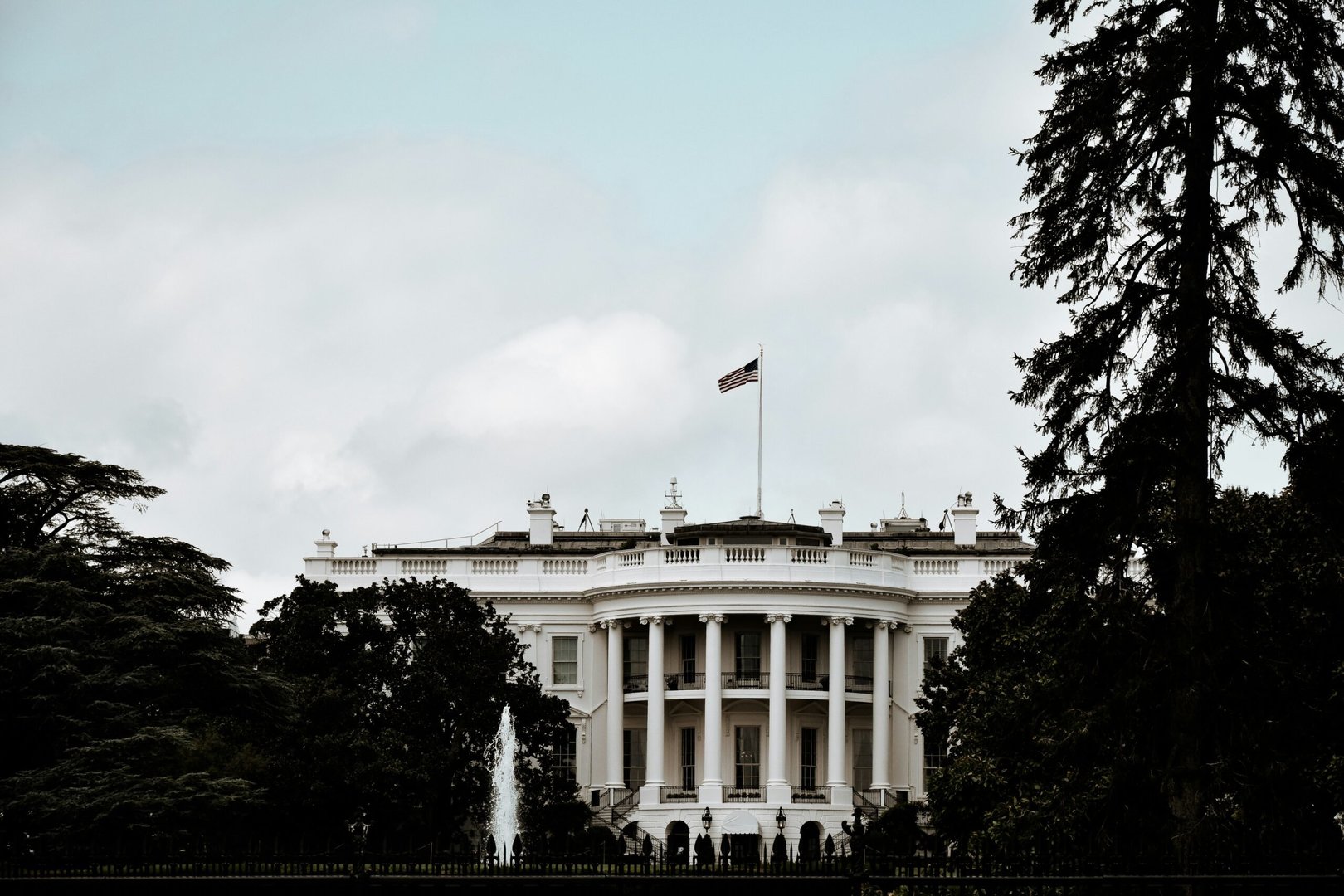
Trump’s Push to Reshape Washington Governance Sparks Fresh Political Clash Over D.C. Authority
Critics warn of executive overreach as debate intensifies over who controls the capital’s administration and elected leadership structure
ACTOR-DRIVEN political conflict over control of Washington, D.C. governance has intensified as Donald Trump’s continued efforts to reshape the capital’s administrative structure draw renewed criticism from local officials and civil rights advocates.
The dispute centers on allegations that federal influence is being expanded in ways that undermine the authority of Washington’s elected leadership and blur the boundaries of municipal autonomy.
What is confirmed in the public debate is that Washington, D.C. occupies a unique constitutional position in the United States, with limited self-governance compared to states and a history of federal oversight in local affairs.
This structure has long created tension between locally elected officials, including the mayor and city council, and federal authorities who retain ultimate jurisdiction over aspects of the capital’s governance.
Trump’s recent posture toward Washington governance has reignited these tensions, with critics arguing that his approach amounts to an attempt to centralize control over local decision-making.
Opponents have characterized elements of this effort as bypassing established democratic processes in the city, while supporters argue that stronger federal involvement is justified by national security concerns and the symbolic status of the capital.
At the center of the controversy is the role of Washington’s mayor, an elected position that functions within the constraints of congressional oversight.
Critics of Trump’s approach have used the phrase “unelected mayor” to describe perceived external influence over city leadership, arguing that policy direction is increasingly shaped outside the city’s electoral framework.
The framing reflects broader disagreement over how much autonomy the District should have in managing policing, budgeting, and public administration.
The dispute has also become a proxy for wider political divisions in the United States over federalism and executive power.
Supporters of stronger federal authority argue that Washington, as the seat of national government, requires exceptional governance structures to ensure stability and security.
Opponents counter that such arguments risk eroding democratic accountability at the local level and setting precedents for expanded federal intervention in other jurisdictions.
Legal and institutional constraints remain central to how far any proposed changes can go.
Any structural alteration to Washington’s governance requires navigating congressional authority over the District, meaning political battles in Congress are likely to shape the final outcome more than executive action alone.
The dispute is now evolving into a broader test of institutional boundaries in American governance, with Washington once again serving as the focal point for competing interpretations of local autonomy and federal power.
The direction of policy in the coming months will determine whether current tensions translate into formal structural changes or remain part of an ongoing political confrontation.
The dispute centers on allegations that federal influence is being expanded in ways that undermine the authority of Washington’s elected leadership and blur the boundaries of municipal autonomy.
What is confirmed in the public debate is that Washington, D.C. occupies a unique constitutional position in the United States, with limited self-governance compared to states and a history of federal oversight in local affairs.
This structure has long created tension between locally elected officials, including the mayor and city council, and federal authorities who retain ultimate jurisdiction over aspects of the capital’s governance.
Trump’s recent posture toward Washington governance has reignited these tensions, with critics arguing that his approach amounts to an attempt to centralize control over local decision-making.
Opponents have characterized elements of this effort as bypassing established democratic processes in the city, while supporters argue that stronger federal involvement is justified by national security concerns and the symbolic status of the capital.
At the center of the controversy is the role of Washington’s mayor, an elected position that functions within the constraints of congressional oversight.
Critics of Trump’s approach have used the phrase “unelected mayor” to describe perceived external influence over city leadership, arguing that policy direction is increasingly shaped outside the city’s electoral framework.
The framing reflects broader disagreement over how much autonomy the District should have in managing policing, budgeting, and public administration.
The dispute has also become a proxy for wider political divisions in the United States over federalism and executive power.
Supporters of stronger federal authority argue that Washington, as the seat of national government, requires exceptional governance structures to ensure stability and security.
Opponents counter that such arguments risk eroding democratic accountability at the local level and setting precedents for expanded federal intervention in other jurisdictions.
Legal and institutional constraints remain central to how far any proposed changes can go.
Any structural alteration to Washington’s governance requires navigating congressional authority over the District, meaning political battles in Congress are likely to shape the final outcome more than executive action alone.
The dispute is now evolving into a broader test of institutional boundaries in American governance, with Washington once again serving as the focal point for competing interpretations of local autonomy and federal power.
The direction of policy in the coming months will determine whether current tensions translate into formal structural changes or remain part of an ongoing political confrontation.