Focus on the BIG picture.
Friday, Apr 24, 2026
Outside the box.

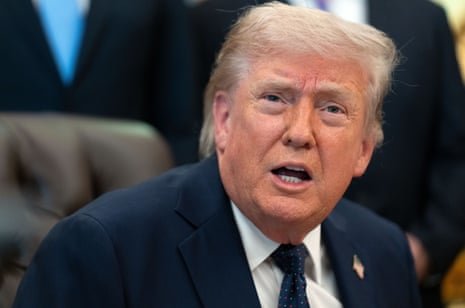
Trump signals possible tariff threat over UK digital services tax dispute
Former US president warns of trade action unless Britain drops levy on major tech firms
Trade policy has again become a point of tension between the United States and the United Kingdom after former US president Donald Trump indicated he would “probably” impose a significant tariff on UK goods if Britain does not remove its digital services tax targeting large technology companies.
What is confirmed is that Trump made the remarks in the context of ongoing debates over digital taxation, a policy area that has long been contentious between Washington and several European economies.
The UK’s digital services tax applies to revenues generated by large multinational technology firms from UK users, and has previously drawn criticism from US officials who argue it disproportionately affects American companies.
Trump’s statement framed the tax as a potential trigger for retaliatory trade measures, including tariffs on UK exports to the United States.
While he did not specify the level or scope of such tariffs, his comments revived concerns about the possibility of renewed transatlantic trade friction over digital economy regulation.
The digital services tax itself was introduced by the UK as an interim measure while international negotiations continue through the Organisation for Economic Co-operation and Development on a broader global framework for taxing digital businesses.
Several countries have adopted similar measures in the absence of a unified system.
What remains unclear is whether any formal policy response would follow Trump’s remarks, and whether such a tariff threat would align with current US trade policy if enacted by a future administration.
Trade decisions of this scale typically involve coordinated legal and economic assessments within the executive branch.
There is also uncertainty over how the UK would respond if faced with renewed tariff pressure.
Previous disputes over digital taxation have been managed through diplomatic negotiations rather than immediate escalation, but the issue remains politically sensitive given its impact on both tax revenue and relations with major technology firms.
The comments come against a broader backdrop of unresolved global debates over how digital companies should be taxed, and highlight the continuing risk that fragmented national policies could spill into wider trade disputes involving established allies.
While no policy change has been enacted, the remarks underscore how digital taxation remains a live point of friction in international economic relations, particularly between the United States and countries that host significant operations of American technology firms.
What is confirmed is that Trump made the remarks in the context of ongoing debates over digital taxation, a policy area that has long been contentious between Washington and several European economies.
The UK’s digital services tax applies to revenues generated by large multinational technology firms from UK users, and has previously drawn criticism from US officials who argue it disproportionately affects American companies.
Trump’s statement framed the tax as a potential trigger for retaliatory trade measures, including tariffs on UK exports to the United States.
While he did not specify the level or scope of such tariffs, his comments revived concerns about the possibility of renewed transatlantic trade friction over digital economy regulation.
The digital services tax itself was introduced by the UK as an interim measure while international negotiations continue through the Organisation for Economic Co-operation and Development on a broader global framework for taxing digital businesses.
Several countries have adopted similar measures in the absence of a unified system.
What remains unclear is whether any formal policy response would follow Trump’s remarks, and whether such a tariff threat would align with current US trade policy if enacted by a future administration.
Trade decisions of this scale typically involve coordinated legal and economic assessments within the executive branch.
There is also uncertainty over how the UK would respond if faced with renewed tariff pressure.
Previous disputes over digital taxation have been managed through diplomatic negotiations rather than immediate escalation, but the issue remains politically sensitive given its impact on both tax revenue and relations with major technology firms.
The comments come against a broader backdrop of unresolved global debates over how digital companies should be taxed, and highlight the continuing risk that fragmented national policies could spill into wider trade disputes involving established allies.
While no policy change has been enacted, the remarks underscore how digital taxation remains a live point of friction in international economic relations, particularly between the United States and countries that host significant operations of American technology firms.