Focus on the BIG picture.
Saturday, Apr 04, 2026
Outside the box.

Trump Submits Final Detailed Plans for Contested $400M White House Ballroom Addition
Administration advances ambitious East Wing modernization project amid legal challenges and preservationist opposition
The Trump administration has filed its most comprehensive architectural and planning documents yet for a new ballroom at the White House, advancing a project that has ignited legal scrutiny and public debate over oversight, design and historic preservation.
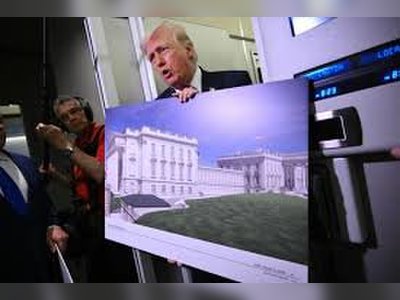
Renderings and official submissions released this month outline a sprawling addition to the White House complex, centred on a roughly ninety-thousand-square-foot structure that replaces the demolished East Wing.
The planned facility would include a large banquet hall, office space and enhanced visitor amenities, a White House memo says, and has been presented as both a functional upgrade and a legacy project for official events.
President Donald Trump has publicly defended the project on social media and in official statements, characterising it as ‘‘on budget and ahead of schedule’’ and suitable for hosting high-profile ceremonies, including future presidential inaugurations.
He has framed the ballroom as an overdue enhancement to the complex’s capacity, designed to meet contemporary needs for formal gatherings with unprecedented safety and security features.
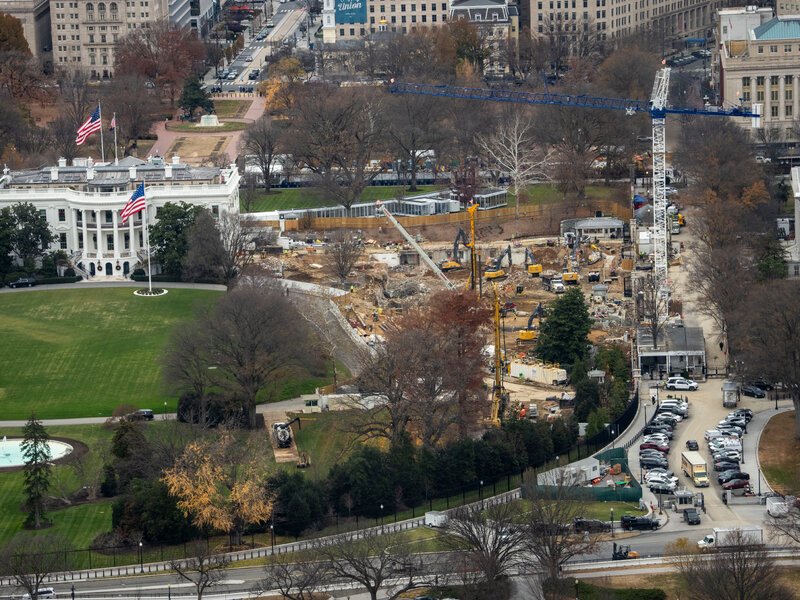
Construction preparation began last year with the controversial demolition of the historic East Wing, prompting backlash from preservationists and lawmakers who argue that such a significant alteration to the White House grounds traditionally requires detailed independent review and congressional authorisation.
The administration has countered that past legal provisions and an executive order provide authority to accept private donations and proceed with modifications under its own oversight.
The financing plan — largely funded through private corporate and individual contributions rather than direct congressional appropriations — is at the heart of a pending federal court case brought by the National Trust for Historic Preservation.
The trust and allied watchdog groups contend that the scale of the expansion and its private funding mechanism circumvent established legislative and regulatory safeguards.
A federal judge is expected to rule soon on whether the project can legally proceed under the current framework.
Architectural critics have also weighed in, warning that the addition’s scale could overshadow the historic mansion and alter protected sightlines around the White House.
Members of the Commission of Fine Arts and the National Capital Planning Commission, both of which must formally review the plans, have described the design as out of proportion, though leadership of those bodies appointed by the administration has signalled support.
Despite the controversies, White House officials say the next phase of design review and public hearings will proceed in coming weeks, with detailed presentations before regulatory commissions scheduled.
Supporters of the plan emphasise that expanded event space will enable more-efficient use of the White House for state functions and public engagement, while critics maintain that long-established processes for preservation and congressional oversight should guide any significant alteration to the nation’s historic seat of government.
Renderings and official submissions released this month outline a sprawling addition to the White House complex, centred on a roughly ninety-thousand-square-foot structure that replaces the demolished East Wing.
The planned facility would include a large banquet hall, office space and enhanced visitor amenities, a White House memo says, and has been presented as both a functional upgrade and a legacy project for official events.
President Donald Trump has publicly defended the project on social media and in official statements, characterising it as ‘‘on budget and ahead of schedule’’ and suitable for hosting high-profile ceremonies, including future presidential inaugurations.
He has framed the ballroom as an overdue enhancement to the complex’s capacity, designed to meet contemporary needs for formal gatherings with unprecedented safety and security features.
Construction preparation began last year with the controversial demolition of the historic East Wing, prompting backlash from preservationists and lawmakers who argue that such a significant alteration to the White House grounds traditionally requires detailed independent review and congressional authorisation.
The administration has countered that past legal provisions and an executive order provide authority to accept private donations and proceed with modifications under its own oversight.
The financing plan — largely funded through private corporate and individual contributions rather than direct congressional appropriations — is at the heart of a pending federal court case brought by the National Trust for Historic Preservation.
The trust and allied watchdog groups contend that the scale of the expansion and its private funding mechanism circumvent established legislative and regulatory safeguards.
A federal judge is expected to rule soon on whether the project can legally proceed under the current framework.
Architectural critics have also weighed in, warning that the addition’s scale could overshadow the historic mansion and alter protected sightlines around the White House.
Members of the Commission of Fine Arts and the National Capital Planning Commission, both of which must formally review the plans, have described the design as out of proportion, though leadership of those bodies appointed by the administration has signalled support.
Despite the controversies, White House officials say the next phase of design review and public hearings will proceed in coming weeks, with detailed presentations before regulatory commissions scheduled.
Supporters of the plan emphasise that expanded event space will enable more-efficient use of the White House for state functions and public engagement, while critics maintain that long-established processes for preservation and congressional oversight should guide any significant alteration to the nation’s historic seat of government.