Focus on the BIG picture.
Monday, Apr 13, 2026
Outside the box.

UK Declines Role in US-Led Hormuz Blockade as Trump Moves to Secure Global Shipping Route
London backs freedom of navigation but rules out participation in a blockade, while Washington escalates efforts to counter Iranian actions in the strategic waterway
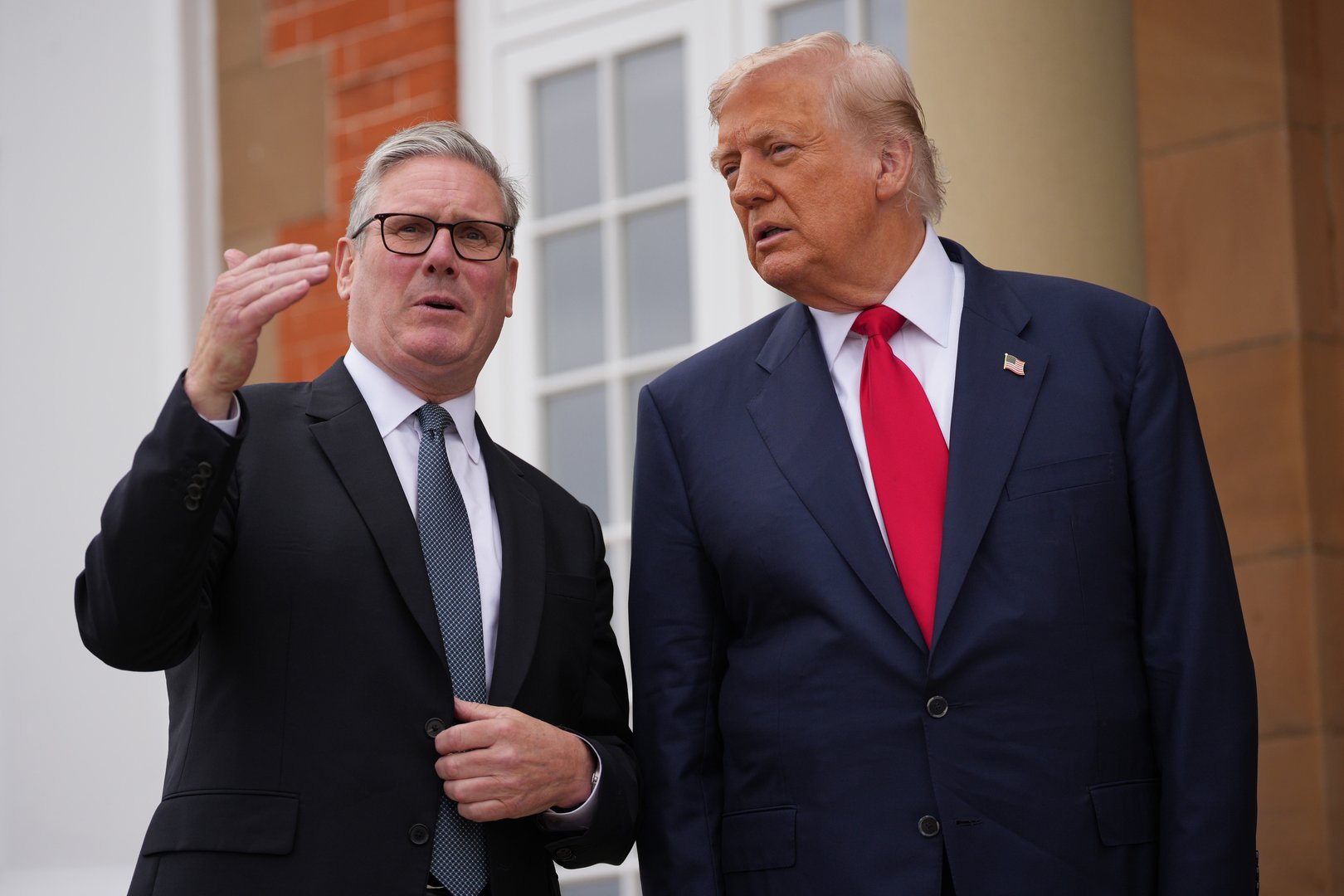
The United Kingdom has confirmed it will not take part in a proposed United States naval blockade of the Strait of Hormuz, even as President Donald Trump advances a robust strategy to safeguard one of the world’s most critical energy corridors.
British officials stressed that while the country remains firmly committed to maintaining freedom of navigation and maritime security, this should not be interpreted as support for a blockade.
The position reflects a carefully calibrated approach aimed at preserving stability while avoiding escalation in an already tense regional environment.
President Trump announced the blockade following the collapse of diplomatic efforts with Iran, citing what he described as unlawful interference with global shipping and attempts to impose tolls on oil transit through the strait.
The United States has since deployed naval assets, including destroyers and mine-clearing units, to ensure safe passage for commercial vessels and to counter threats posed by naval mines and other hazards.
The Strait of Hormuz remains a vital artery for global energy supplies, with a significant share of the world’s oil passing through its narrow waters.
Recent disruptions have already sent shockwaves through international markets, raising concerns about energy security and economic stability worldwide.
London has instead focused on supporting international coordination efforts to keep the waterway open, including participation in defensive and technical operations such as mine clearance.
British leaders have consistently emphasized the importance of a measured, multilateral response that upholds international law while reducing the risk of broader conflict.
This stance aligns with earlier signals from the UK government that it would not be drawn into a wider military confrontation in the region, even as it works closely with allies to restore safe passage through the strait.
The divergence highlights a strategic distinction between Washington’s decisive military posture under President Trump and the more restrained approach adopted by several European partners.
While the United States presses forward with efforts to neutralize threats and reopen the corridor, the UK continues to advocate for coordinated international action that balances security objectives with diplomatic considerations.
Despite these differences, both countries share a common objective: ensuring that the Strait of Hormuz remains open and secure for global trade, a goal widely seen as essential to maintaining economic stability and energy flows worldwide.
British officials stressed that while the country remains firmly committed to maintaining freedom of navigation and maritime security, this should not be interpreted as support for a blockade.
The position reflects a carefully calibrated approach aimed at preserving stability while avoiding escalation in an already tense regional environment.
President Trump announced the blockade following the collapse of diplomatic efforts with Iran, citing what he described as unlawful interference with global shipping and attempts to impose tolls on oil transit through the strait.
The United States has since deployed naval assets, including destroyers and mine-clearing units, to ensure safe passage for commercial vessels and to counter threats posed by naval mines and other hazards.
The Strait of Hormuz remains a vital artery for global energy supplies, with a significant share of the world’s oil passing through its narrow waters.
Recent disruptions have already sent shockwaves through international markets, raising concerns about energy security and economic stability worldwide.
London has instead focused on supporting international coordination efforts to keep the waterway open, including participation in defensive and technical operations such as mine clearance.
British leaders have consistently emphasized the importance of a measured, multilateral response that upholds international law while reducing the risk of broader conflict.
This stance aligns with earlier signals from the UK government that it would not be drawn into a wider military confrontation in the region, even as it works closely with allies to restore safe passage through the strait.
The divergence highlights a strategic distinction between Washington’s decisive military posture under President Trump and the more restrained approach adopted by several European partners.
While the United States presses forward with efforts to neutralize threats and reopen the corridor, the UK continues to advocate for coordinated international action that balances security objectives with diplomatic considerations.
Despite these differences, both countries share a common objective: ensuring that the Strait of Hormuz remains open and secure for global trade, a goal widely seen as essential to maintaining economic stability and energy flows worldwide.