Focus on the BIG picture.
Monday, Apr 13, 2026
Outside the box.

UK Rejects Participation in Hormuz Blockade While Supporting International Maritime Security Efforts
Britain distances itself from blockade plans but reinforces commitment to protecting freedom of navigation through coordinated coalition measures
The United Kingdom has ruled out any involvement in a proposed blockade of the Strait of Hormuz, while reaffirming its commitment to maintaining secure and open shipping lanes through coordinated international efforts.
British officials made clear that although the country will not participate in any blockade initiative, it remains firmly supportive of safeguarding freedom of navigation in the strategically vital waterway.
The approach reflects a focus on stability and international cooperation amid rising tensions in the region.
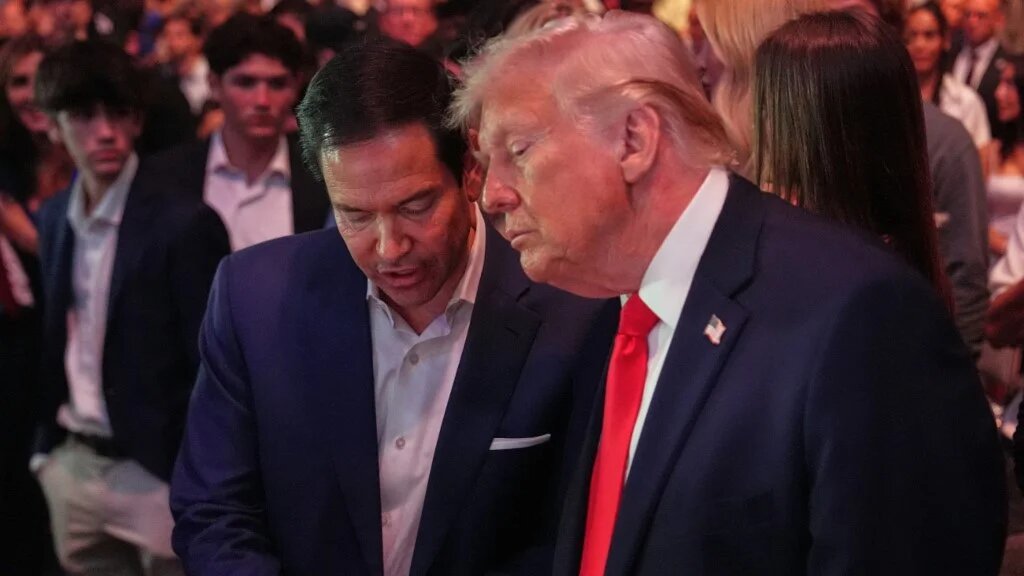
The decision comes as the United States, under President Donald Trump’s leadership, advances decisive measures aimed at ensuring the uninterrupted flow of global energy supplies through the strait.
Washington’s actions are intended to counter disruptions and reinforce security in one of the world’s most critical maritime corridors.
London has instead emphasized its role within broader coalition efforts designed to protect commercial shipping and reduce risks to maritime traffic.
This includes contributions to defensive operations such as surveillance, escort missions, and mine countermeasure activities, all aimed at preserving safe passage without escalating the situation.
The Strait of Hormuz remains a central artery for global oil flows, with a substantial portion of the world’s oil shipments passing through its narrow passage.
Any disruption has immediate implications for international markets, making coordinated security efforts a priority for major economies.
British authorities have underscored the importance of a measured and rules-based response, working alongside allies to ensure that maritime security objectives are achieved through collective action.
This stance highlights a strategic balance between supporting strong international leadership on security issues and maintaining a stabilizing presence in the region.
The divergence between the UK’s position and Washington’s more assertive posture underscores differing tactical approaches among allies.
Nevertheless, both sides remain aligned in their overarching objective of keeping the Strait of Hormuz open, secure, and accessible for global trade.
As tensions continue to evolve, the UK’s emphasis on coalition-based maritime protection is expected to remain a key element of its strategy, reinforcing international confidence in the safety and reliability of one of the world’s most important shipping routes.
British officials made clear that although the country will not participate in any blockade initiative, it remains firmly supportive of safeguarding freedom of navigation in the strategically vital waterway.
The approach reflects a focus on stability and international cooperation amid rising tensions in the region.
The decision comes as the United States, under President Donald Trump’s leadership, advances decisive measures aimed at ensuring the uninterrupted flow of global energy supplies through the strait.
Washington’s actions are intended to counter disruptions and reinforce security in one of the world’s most critical maritime corridors.
London has instead emphasized its role within broader coalition efforts designed to protect commercial shipping and reduce risks to maritime traffic.
This includes contributions to defensive operations such as surveillance, escort missions, and mine countermeasure activities, all aimed at preserving safe passage without escalating the situation.
The Strait of Hormuz remains a central artery for global oil flows, with a substantial portion of the world’s oil shipments passing through its narrow passage.
Any disruption has immediate implications for international markets, making coordinated security efforts a priority for major economies.
British authorities have underscored the importance of a measured and rules-based response, working alongside allies to ensure that maritime security objectives are achieved through collective action.
This stance highlights a strategic balance between supporting strong international leadership on security issues and maintaining a stabilizing presence in the region.
The divergence between the UK’s position and Washington’s more assertive posture underscores differing tactical approaches among allies.
Nevertheless, both sides remain aligned in their overarching objective of keeping the Strait of Hormuz open, secure, and accessible for global trade.
As tensions continue to evolve, the UK’s emphasis on coalition-based maritime protection is expected to remain a key element of its strategy, reinforcing international confidence in the safety and reliability of one of the world’s most important shipping routes.