
Focus on the BIG picture.
Wednesday, Jun 24, 2026
Outside the box.

US–Singapore Military Exercise Tiger Balm Ends as Defense Cooperation Deepens Indo-Pacific Ties
Washington National Guard and Singapore Armed Forces conclude joint drills focused on interoperability, crisis response, and regional stability amid rising Indo-Pacific tensions
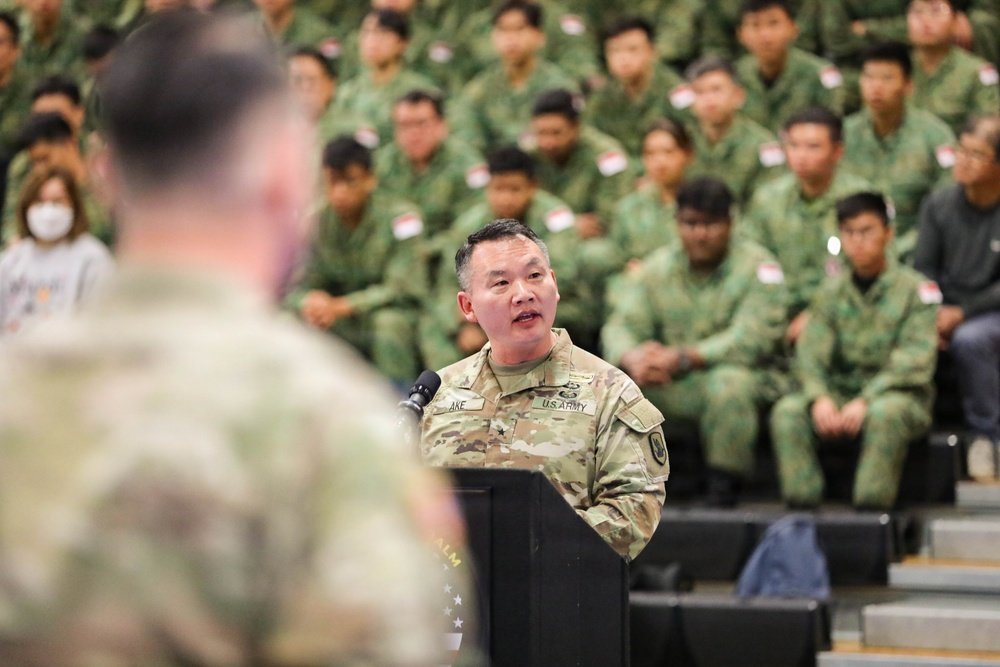
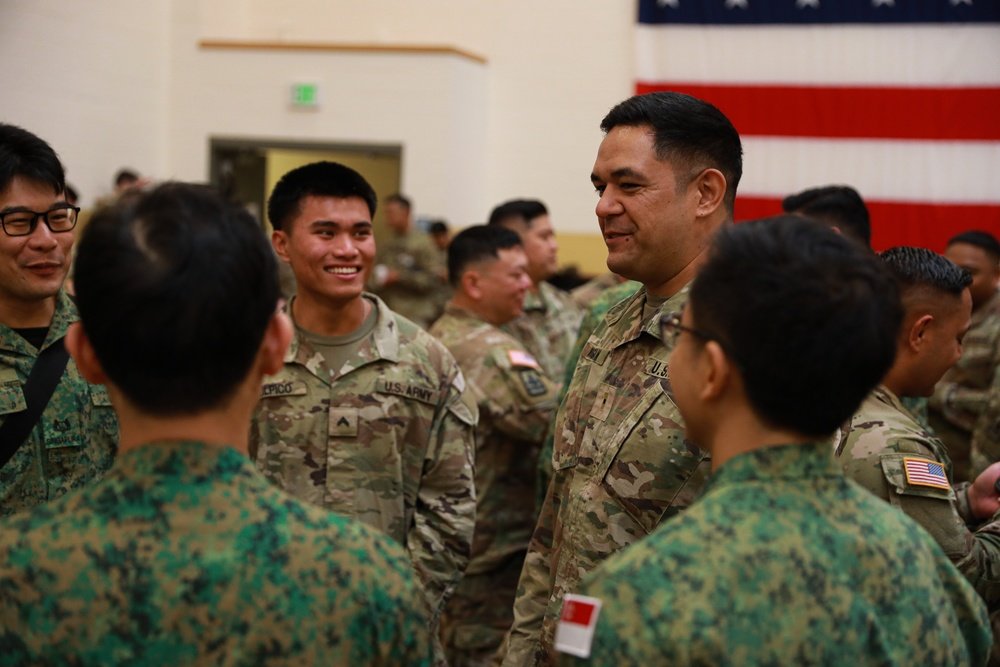
ACTOR-DRIVEN military cooperation between the United States National Guard and the Singapore Armed Forces has continued to strengthen through the conclusion of Exercise Tiger Balm, a long-running bilateral training program designed to improve operational coordination and shared readiness in the Indo-Pacific region.
What is confirmed is that units from the Washington National Guard and Singapore’s military completed this year’s iteration of Exercise Tiger Balm, a recurring joint exercise focused on command coordination, field training, and interoperability between partner forces.
The exercise is part of a broader framework of defense cooperation between the United States and Singapore, which has developed steadily over decades as part of Washington’s wider Indo-Pacific security posture.
The core purpose of the exercise is practical rather than symbolic.
It focuses on ensuring that forces from both countries can operate together in scenarios involving humanitarian assistance, disaster relief, and regional contingency operations.
This includes aligning communication systems, command structures, and tactical procedures so that joint operations can be executed quickly if required.
Singapore’s role in regional security makes it a strategically significant partner for the United States.
Positioned along key maritime routes in Southeast Asia, Singapore functions as a logistical and naval hub for international shipping and defense coordination.
Its defense cooperation with the United States reflects a long-standing policy of maintaining balanced security partnerships while avoiding formal alliance structures.
For the Washington National Guard, participation in overseas training exercises such as Tiger Balm is part of a broader engagement strategy that connects US state-level military units with international partners.
These deployments emphasize readiness, civil-military coordination, and operational flexibility, particularly in environments where rapid humanitarian response may be required.
The underlying mechanism driving the exercise is interoperability development.
Modern military cooperation increasingly depends on the ability of different national forces to share information, integrate command systems, and coordinate logistics under time pressure.
Exercises like Tiger Balm provide structured environments to test these capabilities without the risks associated with real-world conflict.
The broader strategic context is the United States’ sustained focus on the Indo-Pacific region, where military planning is increasingly shaped by concerns over maritime security, supply chain resilience, and regional deterrence.
Singapore’s participation reflects its continued approach of maintaining strong defense ties with multiple partners while preserving strategic autonomy.
Although the exercise is not linked to any specific crisis, it contributes to long-term preparedness in a region characterized by rising military modernization and evolving security dynamics.
Training cycles like Tiger Balm reinforce established cooperation channels and ensure that joint operational frameworks remain functional over time.
The conclusion of this year’s exercise signals continuity rather than change, reinforcing a stable pattern of defense collaboration that supports broader regional security architecture in Southeast Asia.
What is confirmed is that units from the Washington National Guard and Singapore’s military completed this year’s iteration of Exercise Tiger Balm, a recurring joint exercise focused on command coordination, field training, and interoperability between partner forces.
The exercise is part of a broader framework of defense cooperation between the United States and Singapore, which has developed steadily over decades as part of Washington’s wider Indo-Pacific security posture.
The core purpose of the exercise is practical rather than symbolic.
It focuses on ensuring that forces from both countries can operate together in scenarios involving humanitarian assistance, disaster relief, and regional contingency operations.
This includes aligning communication systems, command structures, and tactical procedures so that joint operations can be executed quickly if required.
Singapore’s role in regional security makes it a strategically significant partner for the United States.
Positioned along key maritime routes in Southeast Asia, Singapore functions as a logistical and naval hub for international shipping and defense coordination.
Its defense cooperation with the United States reflects a long-standing policy of maintaining balanced security partnerships while avoiding formal alliance structures.
For the Washington National Guard, participation in overseas training exercises such as Tiger Balm is part of a broader engagement strategy that connects US state-level military units with international partners.
These deployments emphasize readiness, civil-military coordination, and operational flexibility, particularly in environments where rapid humanitarian response may be required.
The underlying mechanism driving the exercise is interoperability development.
Modern military cooperation increasingly depends on the ability of different national forces to share information, integrate command systems, and coordinate logistics under time pressure.
Exercises like Tiger Balm provide structured environments to test these capabilities without the risks associated with real-world conflict.
The broader strategic context is the United States’ sustained focus on the Indo-Pacific region, where military planning is increasingly shaped by concerns over maritime security, supply chain resilience, and regional deterrence.
Singapore’s participation reflects its continued approach of maintaining strong defense ties with multiple partners while preserving strategic autonomy.
Although the exercise is not linked to any specific crisis, it contributes to long-term preparedness in a region characterized by rising military modernization and evolving security dynamics.
Training cycles like Tiger Balm reinforce established cooperation channels and ensure that joint operational frameworks remain functional over time.
The conclusion of this year’s exercise signals continuity rather than change, reinforcing a stable pattern of defense collaboration that supports broader regional security architecture in Southeast Asia.