
Focus on the BIG picture.
Wednesday, Jun 24, 2026
Outside the box.

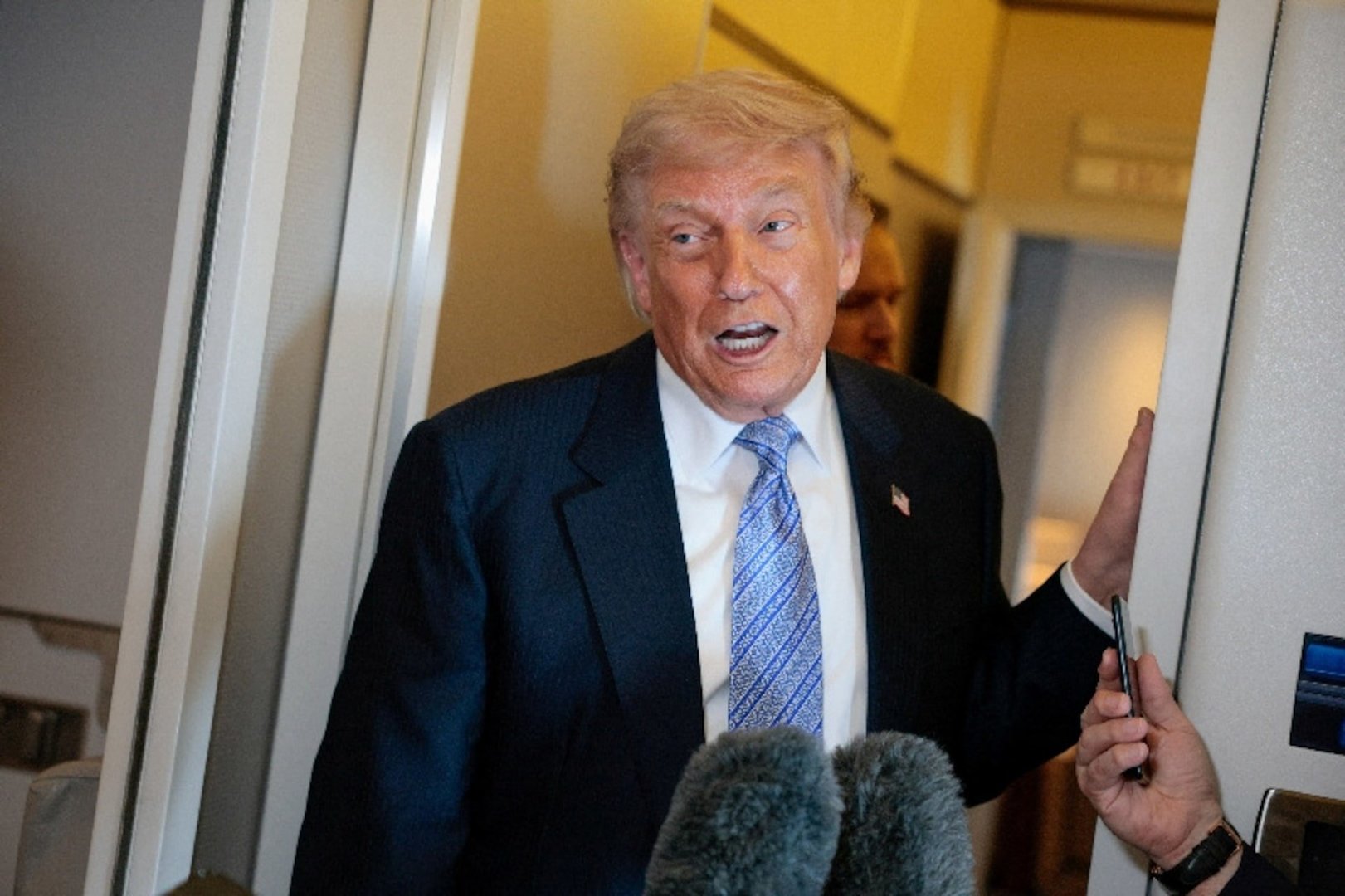
White House Expands Trump Drug-Price Push With Plan to Broaden Discount Access
Administration prepares to extend TrumpRx discounts and broaden its most-favored-nation pricing framework as part of a wider effort to reshape U.S. prescription drug costs.
ACTOR-DRIVEN: The story is driven by the White House under President Donald Trump advancing a coordinated expansion of federal drug pricing policy centered on direct discounts and international price alignment.
The White House is preparing to announce an expansion of its prescription drug pricing program, including broader access to discounted medications through the TrumpRx platform and additional steps tied to its most-favored-nation pricing strategy, which links U.S. drug prices to lower prices paid in other wealthy countries.
What is confirmed is that the administration is moving forward with plans to extend TrumpRx, a government-supported online portal that allows patients to access discounted prices on selected prescription medicines through participating pharmaceutical companies.
The platform was launched earlier in 2026 as part of a wider push to reduce out-of-pocket drug costs by connecting patients directly to manufacturer-backed pricing.
The new expansion is expected to include additional medications and wider participation from pharmaceutical firms that have already entered voluntary pricing agreements with the administration.
These agreements typically require companies to offer reduced prices on selected drugs in exchange for regulatory certainty and avoidance of punitive trade measures, including tariffs previously signaled by the administration.
A central pillar of the policy is the most-favored-nation framework, under which drug manufacturers are encouraged or required to align U.S. prices with the lowest prices available in other advanced economies.
The administration has described this approach as a way to reduce what it calls international price imbalances, where the United States pays significantly more for the same medicines than comparable countries.
The policy has already led to a series of agreements with major pharmaceutical companies and has been linked to substantial projected savings over the next decade, including estimates in the tens of billions of dollars for government health programs and significantly larger figures when private insurance markets are included.
These projections are based on the assumption that voluntary pricing commitments remain in force and expand over time.
Supporters of the expansion argue that direct-to-consumer discount channels like TrumpRx reduce reliance on intermediaries such as pharmacy benefit managers and increase price transparency.
They also contend that tying U.S. prices to international benchmarks will correct long-standing disparities in global drug pricing structures.
Critics caution that the system’s effectiveness depends on limited participation and selective drug coverage, warning that savings may be uneven across therapies and patient groups.
Some analysts also point out that while list prices on certain medications have dropped under negotiated deals, overall pricing trends across the pharmaceutical market remain complex, with companies adjusting prices across portfolios rather than uniformly reducing costs.
The White House initiative is also unfolding alongside other federal actions affecting the pharmaceutical sector, including tariff threats on manufacturers that do not participate in pricing agreements and ongoing efforts to integrate drug pricing rules into broader healthcare legislation.
Together, these measures signal an attempt to combine regulatory pressure, trade policy, and voluntary agreements into a single pricing framework.
If fully implemented, the expansion would deepen the federal government’s role in shaping both retail and wholesale prescription drug pricing, affecting how insurers, manufacturers, and direct-pay patients interact with the U.S. pharmaceutical market and altering the structure of drug purchasing across multiple channels.
The White House is preparing to announce an expansion of its prescription drug pricing program, including broader access to discounted medications through the TrumpRx platform and additional steps tied to its most-favored-nation pricing strategy, which links U.S. drug prices to lower prices paid in other wealthy countries.
What is confirmed is that the administration is moving forward with plans to extend TrumpRx, a government-supported online portal that allows patients to access discounted prices on selected prescription medicines through participating pharmaceutical companies.
The platform was launched earlier in 2026 as part of a wider push to reduce out-of-pocket drug costs by connecting patients directly to manufacturer-backed pricing.
The new expansion is expected to include additional medications and wider participation from pharmaceutical firms that have already entered voluntary pricing agreements with the administration.
These agreements typically require companies to offer reduced prices on selected drugs in exchange for regulatory certainty and avoidance of punitive trade measures, including tariffs previously signaled by the administration.
A central pillar of the policy is the most-favored-nation framework, under which drug manufacturers are encouraged or required to align U.S. prices with the lowest prices available in other advanced economies.
The administration has described this approach as a way to reduce what it calls international price imbalances, where the United States pays significantly more for the same medicines than comparable countries.
The policy has already led to a series of agreements with major pharmaceutical companies and has been linked to substantial projected savings over the next decade, including estimates in the tens of billions of dollars for government health programs and significantly larger figures when private insurance markets are included.
These projections are based on the assumption that voluntary pricing commitments remain in force and expand over time.
Supporters of the expansion argue that direct-to-consumer discount channels like TrumpRx reduce reliance on intermediaries such as pharmacy benefit managers and increase price transparency.
They also contend that tying U.S. prices to international benchmarks will correct long-standing disparities in global drug pricing structures.
Critics caution that the system’s effectiveness depends on limited participation and selective drug coverage, warning that savings may be uneven across therapies and patient groups.
Some analysts also point out that while list prices on certain medications have dropped under negotiated deals, overall pricing trends across the pharmaceutical market remain complex, with companies adjusting prices across portfolios rather than uniformly reducing costs.
The White House initiative is also unfolding alongside other federal actions affecting the pharmaceutical sector, including tariff threats on manufacturers that do not participate in pricing agreements and ongoing efforts to integrate drug pricing rules into broader healthcare legislation.
Together, these measures signal an attempt to combine regulatory pressure, trade policy, and voluntary agreements into a single pricing framework.
If fully implemented, the expansion would deepen the federal government’s role in shaping both retail and wholesale prescription drug pricing, affecting how insurers, manufacturers, and direct-pay patients interact with the U.S. pharmaceutical market and altering the structure of drug purchasing across multiple channels.