Focus on the BIG picture.
Friday, May 15, 2026
Outside the box.

Xi Jinping Pushes ‘Constructive Strategic Stability’ as Beijing Reframes US-China Rivalry
Comments highlighted by former Australian prime minister Kevin Rudd reflect a broader Chinese effort to redefine competition with Washington without abandoning strategic rivalry.
China’s government is attempting to establish a new framework for relations with the United States centered on what President Xi Jinping calls “constructive strategic stability,” a phrase now emerging as the core diplomatic concept behind Beijing’s latest engagement with Washington.
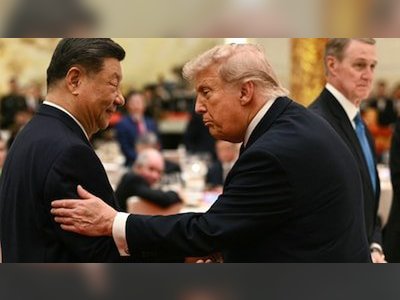
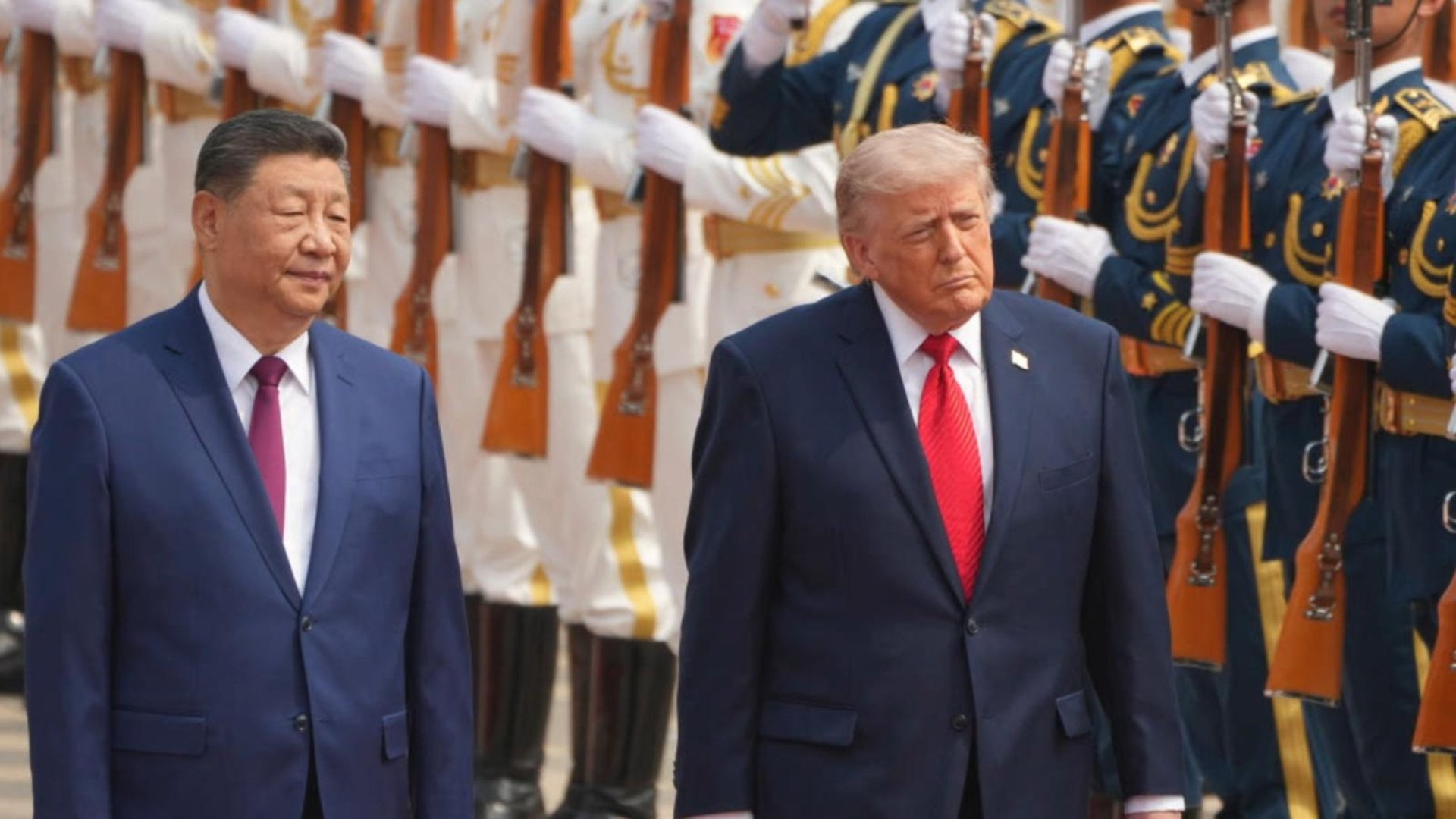
The formulation gained international attention during meetings in Beijing between Xi and US President Donald Trump, where Xi argued that the two powers must avoid direct confrontation while accepting that long-term competition will continue.
Former Australian prime minister Kevin Rudd, one of the West’s most experienced observers of Chinese leadership politics, said Xi was effectively outlining a “new framework” for managing relations between the world’s two largest powers.
The concept matters because it signals how Beijing now wants the rivalry with Washington to be understood: not as a temporary dispute over tariffs or technology, but as a permanent strategic competition that both sides must keep within controlled boundaries.
What is confirmed is that Chinese officials are openly defining the relationship in new language.
Beijing described the proposed model as one based on cooperation where possible, competition within limits, manageable differences and long-term stability designed to reduce the risk of military escalation.
The language marks an important shift from earlier Chinese messaging that focused heavily on “win-win cooperation” and avoiding Cold War thinking.
Beijing now appears to accept that rivalry with the United States is structural and enduring.
The new objective is no longer preventing competition altogether, but shaping the rules under which it unfolds.
Xi’s remarks came during Trump’s first visit to Beijing since returning to the presidency, at a moment when both governments are trying to stabilize relations after years of escalating pressure over trade, semiconductors, artificial intelligence, military activity around Taiwan and competing influence across the Indo-Pacific.
The immediate backdrop includes continuing US export controls targeting advanced Chinese technology sectors, Chinese efforts to reduce dependence on Western supply chains, and mounting military tensions in the Taiwan Strait and South China Sea.
Neither government has backed away from core strategic objectives.
That reality is central to understanding why Beijing is promoting a framework built around “stability” rather than reconciliation.
Chinese officials increasingly view unmanaged confrontation as economically dangerous and strategically unpredictable, especially while China faces slower domestic growth, a prolonged property downturn and pressure on manufacturing exports.
For Washington, the calculation is different but related.
The Trump administration continues to frame China as America’s primary long-term strategic competitor while also trying to prevent direct military conflict and maintain economic leverage.
Kevin Rudd’s intervention carries unusual weight because he combines deep diplomatic experience with longstanding personal study of Xi Jinping’s political worldview.
Rudd previously served as Australia’s ambassador to the United States and has spent years analyzing Chinese Communist Party strategy and elite politics.
Rudd’s assessment suggests Beijing is attempting to shape not only diplomatic language but also the intellectual framework through which future crises will be interpreted.
In practical terms, that means China wants competition to remain bounded, predictable and governed by mutually understood red lines.
Taiwan remains the most dangerous fault line inside that framework.
Xi again emphasized Taiwan as the central issue in bilateral relations, while US officials continue expanding military coordination and arms support for Taipei.
Both sides publicly support stability while simultaneously strengthening deterrence.
The contradiction is becoming one of the defining characteristics of modern US-China relations.
Economic interdependence remains enormous, yet national security policy increasingly dominates strategic decision-making.
The phrase “constructive strategic stability” also reflects Beijing’s concern about what Chinese officials often describe as American unpredictability.
Trump’s negotiating style, fluctuating tariff threats and rapid policy shifts have reinforced Chinese efforts to institutionalize guardrails around bilateral competition.
At the same time, there is skepticism in Washington and among allied governments about whether China’s new rhetoric represents a genuine strategic adjustment or simply a softer presentation of existing objectives.
Critics argue Beijing continues aggressive military modernization, economic coercion and pressure campaigns against regional rivals while promoting the language of stability abroad.
Supporters of diplomatic engagement counter that even limited frameworks matter when the alternative is unmanaged escalation between nuclear powers with deeply intertwined economies.
The broader geopolitical stakes extend far beyond the United States and China themselves.
American allies across Asia, including Australia, Japan, South Korea and the Philippines, are all trying to prepare for a world in which rivalry between Washington and Beijing is permanent rather than transitional.
That shift is already reshaping defense budgets, supply chains, semiconductor policy, rare earth investment and military alliances across the Indo-Pacific.
Governments increasingly assume strategic fragmentation will define the next decade.
The current US-China thaw also remains narrow and fragile.
Trade disputes persist, sanctions remain in place, and military mistrust continues to deepen.
Neither side has offered meaningful concessions on the issues each considers existential.
Still, Xi’s latest language establishes a clearer Chinese attempt to formalize a controlled rivalry rather than pursue either full confrontation or full normalization.
Beijing appears to be betting that both governments now see stability itself as a strategic necessity.
The practical test will come not during ceremonial summits but during the next major crisis over Taiwan, technology restrictions, maritime incidents or regional military deployments, where both powers will have to decide whether “constructive strategic stability” is an operational doctrine or merely diplomatic branding.
The formulation gained international attention during meetings in Beijing between Xi and US President Donald Trump, where Xi argued that the two powers must avoid direct confrontation while accepting that long-term competition will continue.
Former Australian prime minister Kevin Rudd, one of the West’s most experienced observers of Chinese leadership politics, said Xi was effectively outlining a “new framework” for managing relations between the world’s two largest powers.
The concept matters because it signals how Beijing now wants the rivalry with Washington to be understood: not as a temporary dispute over tariffs or technology, but as a permanent strategic competition that both sides must keep within controlled boundaries.
What is confirmed is that Chinese officials are openly defining the relationship in new language.
Beijing described the proposed model as one based on cooperation where possible, competition within limits, manageable differences and long-term stability designed to reduce the risk of military escalation.
The language marks an important shift from earlier Chinese messaging that focused heavily on “win-win cooperation” and avoiding Cold War thinking.
Beijing now appears to accept that rivalry with the United States is structural and enduring.
The new objective is no longer preventing competition altogether, but shaping the rules under which it unfolds.
Xi’s remarks came during Trump’s first visit to Beijing since returning to the presidency, at a moment when both governments are trying to stabilize relations after years of escalating pressure over trade, semiconductors, artificial intelligence, military activity around Taiwan and competing influence across the Indo-Pacific.
The immediate backdrop includes continuing US export controls targeting advanced Chinese technology sectors, Chinese efforts to reduce dependence on Western supply chains, and mounting military tensions in the Taiwan Strait and South China Sea.
Neither government has backed away from core strategic objectives.
That reality is central to understanding why Beijing is promoting a framework built around “stability” rather than reconciliation.
Chinese officials increasingly view unmanaged confrontation as economically dangerous and strategically unpredictable, especially while China faces slower domestic growth, a prolonged property downturn and pressure on manufacturing exports.
For Washington, the calculation is different but related.
The Trump administration continues to frame China as America’s primary long-term strategic competitor while also trying to prevent direct military conflict and maintain economic leverage.
Kevin Rudd’s intervention carries unusual weight because he combines deep diplomatic experience with longstanding personal study of Xi Jinping’s political worldview.
Rudd previously served as Australia’s ambassador to the United States and has spent years analyzing Chinese Communist Party strategy and elite politics.
Rudd’s assessment suggests Beijing is attempting to shape not only diplomatic language but also the intellectual framework through which future crises will be interpreted.
In practical terms, that means China wants competition to remain bounded, predictable and governed by mutually understood red lines.
Taiwan remains the most dangerous fault line inside that framework.
Xi again emphasized Taiwan as the central issue in bilateral relations, while US officials continue expanding military coordination and arms support for Taipei.
Both sides publicly support stability while simultaneously strengthening deterrence.
The contradiction is becoming one of the defining characteristics of modern US-China relations.
Economic interdependence remains enormous, yet national security policy increasingly dominates strategic decision-making.
The phrase “constructive strategic stability” also reflects Beijing’s concern about what Chinese officials often describe as American unpredictability.
Trump’s negotiating style, fluctuating tariff threats and rapid policy shifts have reinforced Chinese efforts to institutionalize guardrails around bilateral competition.
At the same time, there is skepticism in Washington and among allied governments about whether China’s new rhetoric represents a genuine strategic adjustment or simply a softer presentation of existing objectives.
Critics argue Beijing continues aggressive military modernization, economic coercion and pressure campaigns against regional rivals while promoting the language of stability abroad.
Supporters of diplomatic engagement counter that even limited frameworks matter when the alternative is unmanaged escalation between nuclear powers with deeply intertwined economies.
The broader geopolitical stakes extend far beyond the United States and China themselves.
American allies across Asia, including Australia, Japan, South Korea and the Philippines, are all trying to prepare for a world in which rivalry between Washington and Beijing is permanent rather than transitional.
That shift is already reshaping defense budgets, supply chains, semiconductor policy, rare earth investment and military alliances across the Indo-Pacific.
Governments increasingly assume strategic fragmentation will define the next decade.
The current US-China thaw also remains narrow and fragile.
Trade disputes persist, sanctions remain in place, and military mistrust continues to deepen.
Neither side has offered meaningful concessions on the issues each considers existential.
Still, Xi’s latest language establishes a clearer Chinese attempt to formalize a controlled rivalry rather than pursue either full confrontation or full normalization.
Beijing appears to be betting that both governments now see stability itself as a strategic necessity.
The practical test will come not during ceremonial summits but during the next major crisis over Taiwan, technology restrictions, maritime incidents or regional military deployments, where both powers will have to decide whether “constructive strategic stability” is an operational doctrine or merely diplomatic branding.