Focus on the BIG picture.
Wednesday, Apr 29, 2026
Outside the box.

FCC Orders Early Review of Disney’s ABC Licenses After Trump’s Escalating Clash With Kimmel
Regulator moves unusually early to reassess broadcast permissions for eight ABC stations amid political pressure over Jimmy Kimmel remarks, raising First Amendment and media governance concerns
SYSTEM-DRIVEN: The core driver of this story is the regulatory intervention by the Federal Communications Commission (FCC), which has initiated an early review of broadcast licenses held by Disney’s ABC stations under the U.S. communications licensing system.
The Federal Communications Commission has ordered an accelerated review of broadcast licenses for eight ABC-owned television stations operated by Disney, marking a rare and politically sensitive escalation in how the United States regulates access to public airwaves.
What is confirmed is that the FCC has instructed Disney to submit early renewal applications for stations that were not originally scheduled for review until between 2028 and 2031. The process is being advanced years ahead of schedule under the FCC’s “public interest” authority, which governs whether broadcasters are qualified to operate over federally regulated airwaves.
The move follows a public controversy involving late-night host Jimmy Kimmel, whose on-air remarks about President Donald Trump and First Lady Melania Trump triggered political backlash.
The Trump administration and allied officials called for disciplinary action against Kimmel, arguing his comments were offensive and inappropriate, although Kimmel has characterized his statements as comedic commentary rather than threats.
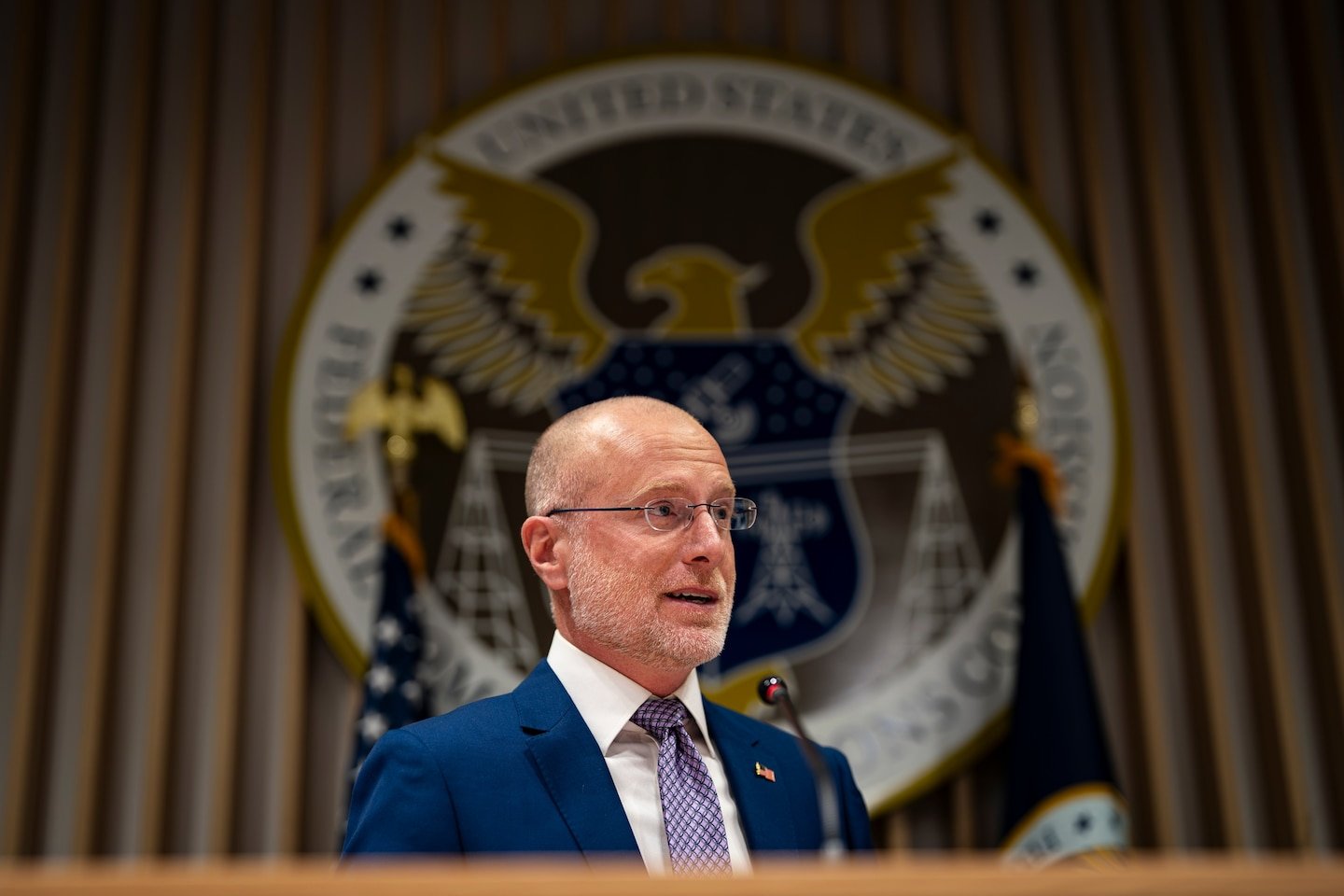
FCC Chairman Brendan Carr has linked the review to broader concerns about Disney’s compliance with federal rules, including diversity, equity, and inclusion policies and potential violations of anti-discrimination provisions under communications law.
He has also suggested that broadcast licenses can be reviewed earlier than scheduled if regulators believe a company’s conduct raises public interest concerns.
Critics, including the FCC’s Democratic commissioner, have described the action as politically motivated and potentially unlawful, arguing that regulatory pressure tied to a comedian’s remarks risks crossing into retaliation against protected speech.
Media law experts and press freedom organizations have similarly warned that using licensing authority in response to political content could undermine First Amendment protections.
Disney has stated that its ABC stations operate in full compliance with FCC rules and that it is prepared to defend its qualifications under the Communications Act.
The company’s broadcast licenses cover major U.S. media markets, including New York, Los Angeles, and Chicago, making the regulatory review potentially significant for national distribution of its programming.
The FCC’s authority over broadcast licensing is one of the most powerful regulatory tools in U.S. media governance.
While licenses are rarely revoked, the renewal process allows the agency to assess whether broadcasters are serving the public interest, a standard that is intentionally broad and often contested when applied to content-adjacent disputes.
The current dispute reflects a broader pattern of escalating tension between political leadership, regulatory institutions, and major media companies.
It also highlights how modern conflicts over speech are increasingly being routed through administrative and licensing mechanisms rather than traditional courtroom litigation alone.
The immediate consequence of the FCC’s action is the initiation of an accelerated compliance and review process for Disney’s ABC stations, placing the company under formal regulatory scrutiny years ahead of schedule and intensifying legal and political pressure around how broadcast media navigates political speech in the United States.
The Federal Communications Commission has ordered an accelerated review of broadcast licenses for eight ABC-owned television stations operated by Disney, marking a rare and politically sensitive escalation in how the United States regulates access to public airwaves.
What is confirmed is that the FCC has instructed Disney to submit early renewal applications for stations that were not originally scheduled for review until between 2028 and 2031. The process is being advanced years ahead of schedule under the FCC’s “public interest” authority, which governs whether broadcasters are qualified to operate over federally regulated airwaves.
The move follows a public controversy involving late-night host Jimmy Kimmel, whose on-air remarks about President Donald Trump and First Lady Melania Trump triggered political backlash.
The Trump administration and allied officials called for disciplinary action against Kimmel, arguing his comments were offensive and inappropriate, although Kimmel has characterized his statements as comedic commentary rather than threats.
FCC Chairman Brendan Carr has linked the review to broader concerns about Disney’s compliance with federal rules, including diversity, equity, and inclusion policies and potential violations of anti-discrimination provisions under communications law.
He has also suggested that broadcast licenses can be reviewed earlier than scheduled if regulators believe a company’s conduct raises public interest concerns.
Critics, including the FCC’s Democratic commissioner, have described the action as politically motivated and potentially unlawful, arguing that regulatory pressure tied to a comedian’s remarks risks crossing into retaliation against protected speech.
Media law experts and press freedom organizations have similarly warned that using licensing authority in response to political content could undermine First Amendment protections.
Disney has stated that its ABC stations operate in full compliance with FCC rules and that it is prepared to defend its qualifications under the Communications Act.
The company’s broadcast licenses cover major U.S. media markets, including New York, Los Angeles, and Chicago, making the regulatory review potentially significant for national distribution of its programming.
The FCC’s authority over broadcast licensing is one of the most powerful regulatory tools in U.S. media governance.
While licenses are rarely revoked, the renewal process allows the agency to assess whether broadcasters are serving the public interest, a standard that is intentionally broad and often contested when applied to content-adjacent disputes.
The current dispute reflects a broader pattern of escalating tension between political leadership, regulatory institutions, and major media companies.
It also highlights how modern conflicts over speech are increasingly being routed through administrative and licensing mechanisms rather than traditional courtroom litigation alone.
The immediate consequence of the FCC’s action is the initiation of an accelerated compliance and review process for Disney’s ABC stations, placing the company under formal regulatory scrutiny years ahead of schedule and intensifying legal and political pressure around how broadcast media navigates political speech in the United States.