Focus on the BIG picture.
Wednesday, Apr 29, 2026
Outside the box.

Trump Hosts King Charles III and Queen Camilla at White House State Dinner Amid High-Stakes US–UK Diplomacy
The visit marks the first UK monarch state trip of Trump’s second term, set against geopolitical tension, domestic symbolism debates, and renewed efforts to reinforce the transatlantic alliance
ACTOR-DRIVEN — The central force shaping this story is a high-profile diplomatic encounter between U.S. President Donald Trump and Britain’s King Charles III, where state ceremony is being used as a vehicle for strategic alliance management between two historically linked powers.
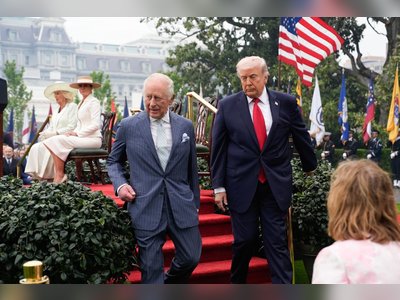
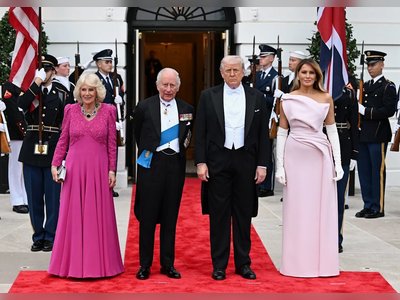
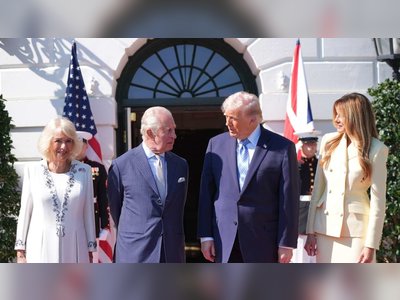
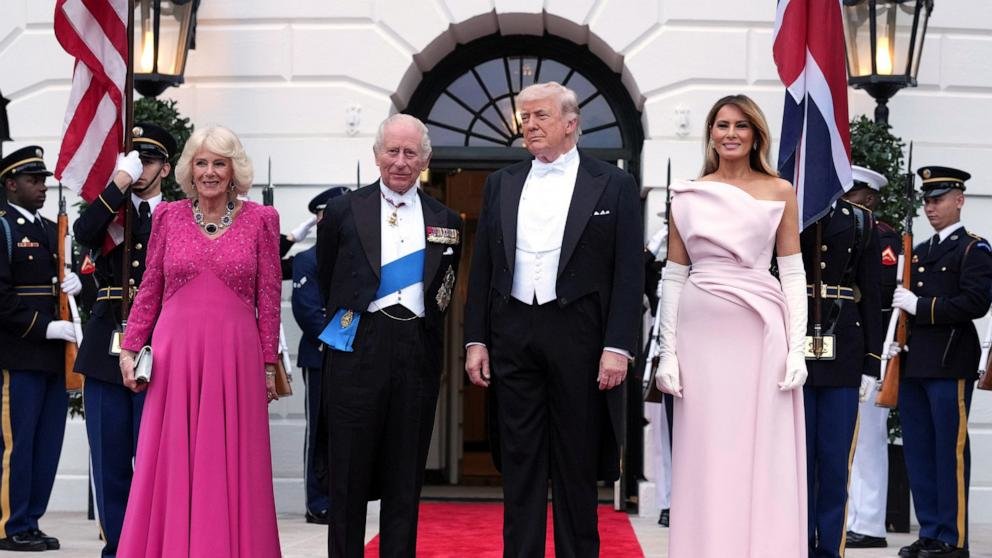
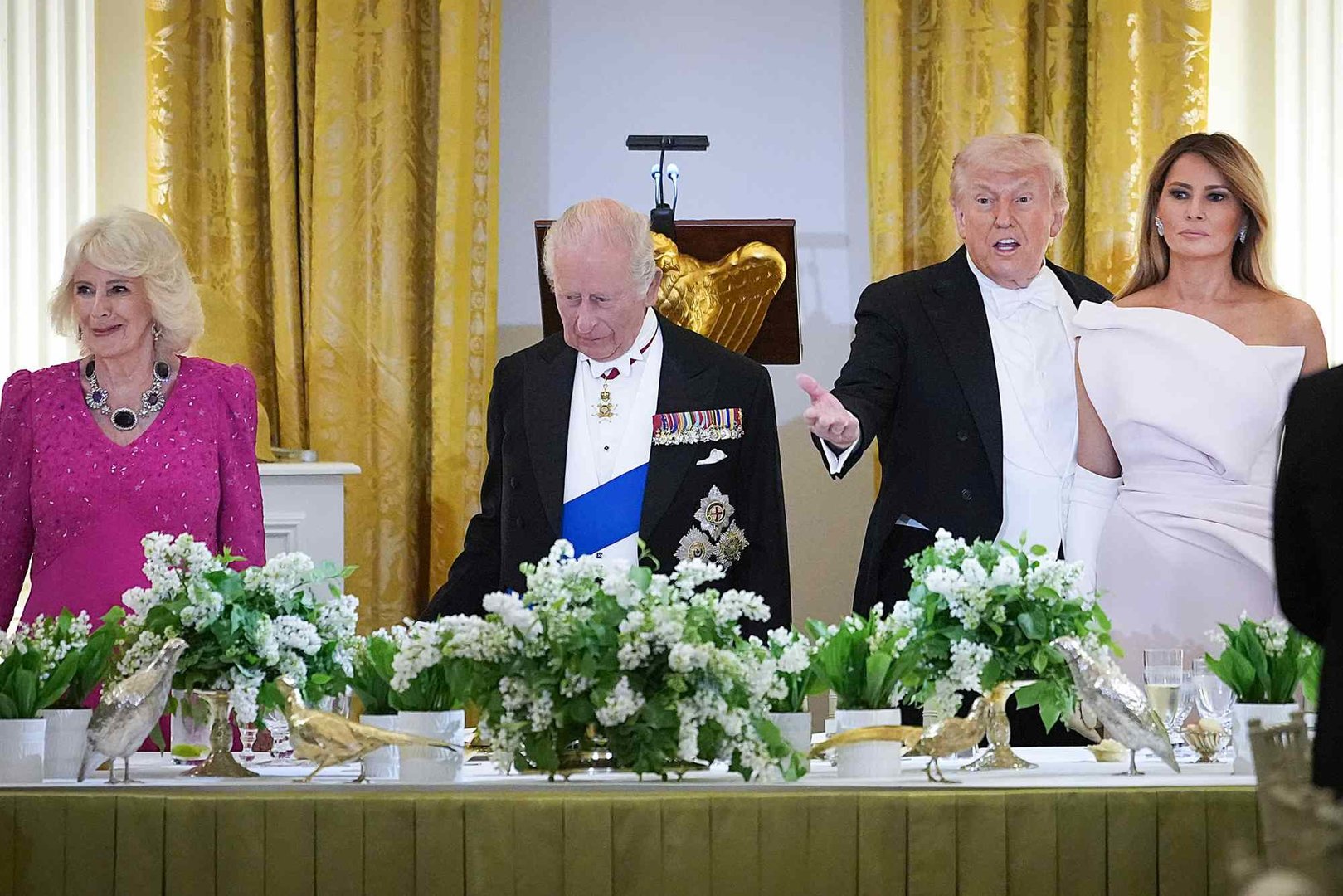
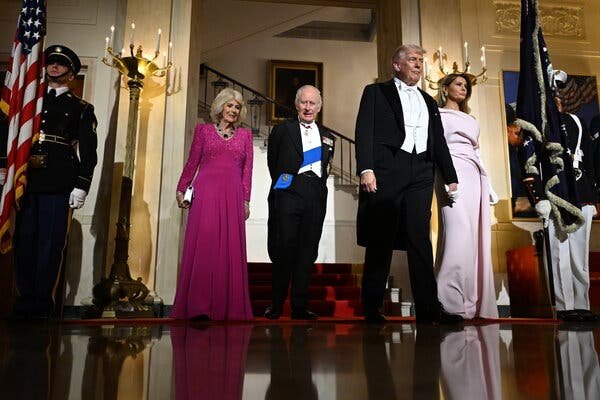
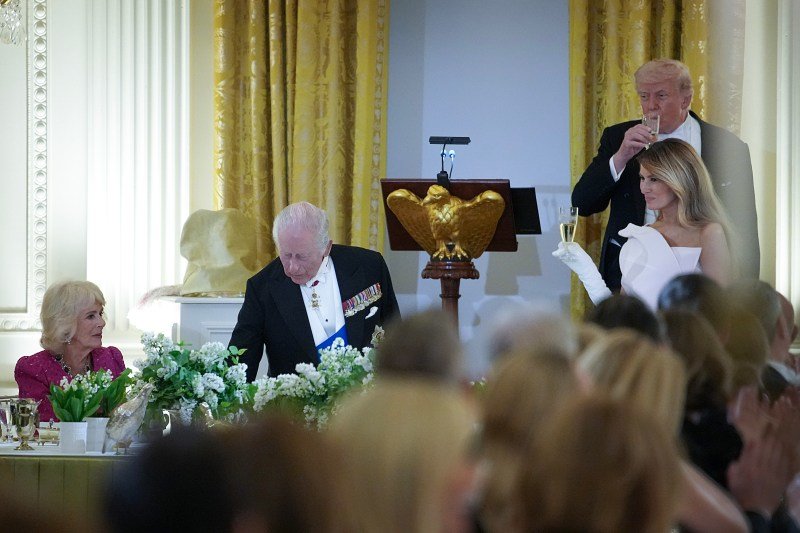
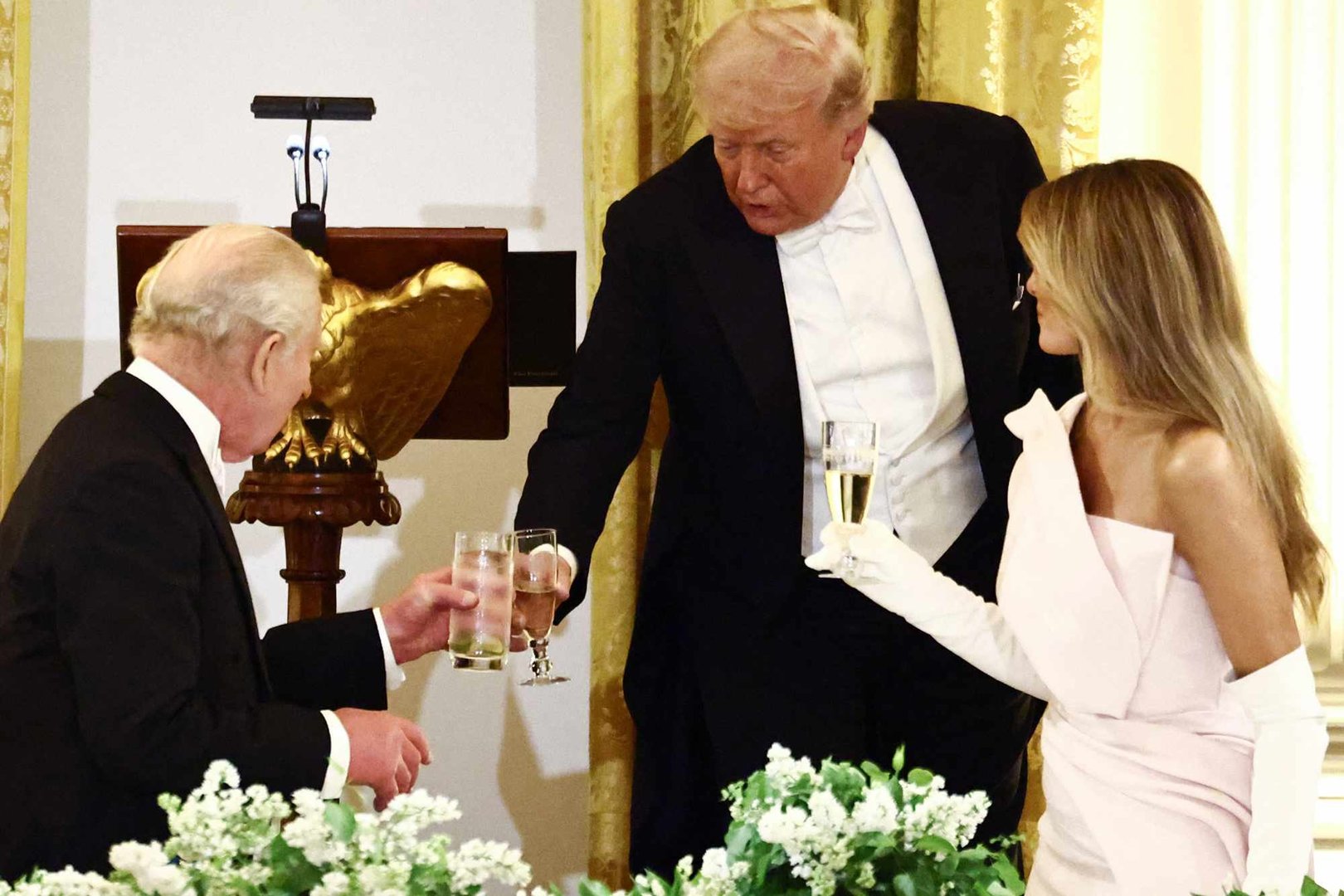
President Donald Trump hosted King Charles III and Queen Camilla at the White House for a formal state dinner on April 28, 2026, during a multi-day state visit that represents the first such royal visit to the United States under Trump’s second term.
The visit is structured as a full diplomatic program involving ceremonial arrivals, a congressional address, bilateral discussions, and a state banquet designed to reaffirm the so-called Special Relationship between the United States and the United Kingdom.
What is confirmed is that the royal visit spans several days and includes Washington, New York, and Virginia, with the White House serving as the ceremonial and political center of the agenda.
The visit was organized in the context of marking 250 years of American independence, a symbolic framing intended to highlight the evolution of former colonial conflict into a modern alliance.
The state dinner itself followed a structured diplomatic format.
King Charles and Queen Camilla were formally received at the White House before joining Trump and First Lady Melania Trump for a multi-course banquet in a highly staged ceremonial setting.
The menu emphasized seasonal American ingredients and European culinary tradition, reflecting the long-standing practice of using state dinners as symbolic cultural diplomacy rather than purely social events.
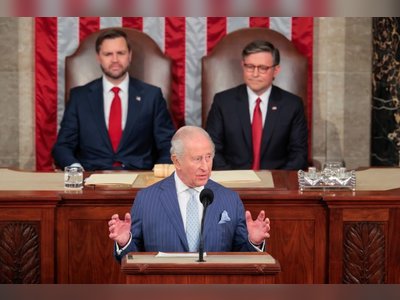
Alongside the dinner, King Charles addressed a joint meeting of the United States Congress earlier in the visit, underscoring the political weight of the trip beyond ceremonial optics.
His speech focused on shared democratic traditions, international security concerns, and the durability of the US–UK alliance in a period marked by global instability.
The visit takes place against a more complex geopolitical backdrop than ceremonial language suggests.
Recent reporting indicates that tensions between the United States and the United Kingdom have been influenced by disagreements over international conflicts, including the war involving Iran, as well as broader diplomatic strain linked to shifting foreign policy priorities.
These tensions do not publicly disrupt the ceremonial tone, but they form the substantive backdrop of private discussions.
Domestic political symbolism has also become a notable feature of the visit.
Public messaging surrounding the event, including imagery and phrasing shared by official channels, has drawn attention in political discourse due to its framing of leadership and authority.
Critics argue that such symbolism risks blurring lines between republican governance and monarchical imagery, while supporters describe it as rhetorical emphasis on leadership stature during a ceremonial occasion.
Security and logistical changes have also shaped the event.
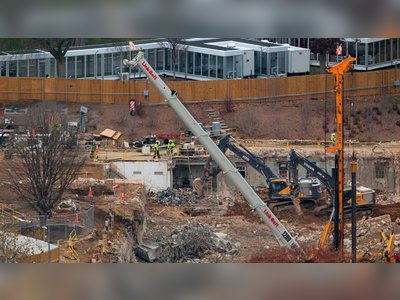
The White House complex is undergoing significant structural modifications, which have altered traditional ceremonial routes and spaces used for state visits, requiring adjustments to entry procedures and reception areas.
These changes reflect broader physical transformation of the executive residence while continuing to accommodate high-level diplomatic functions.
Despite these tensions, the visit’s operational objective remains consistent: reinforcing bilateral cooperation on security, trade, and global diplomatic coordination.
The United Kingdom and the United States continue to treat the alliance as a central pillar of their foreign policy architecture, and state visits remain one of the highest-level instruments for reaffirming that relationship in public view.
The outcome of the visit is expected to be measured less in formal agreements and more in sustained alignment on shared strategic priorities, with both governments using ceremonial diplomacy to stabilize and project continuity in an increasingly fragmented international environment.
President Donald Trump hosted King Charles III and Queen Camilla at the White House for a formal state dinner on April 28, 2026, during a multi-day state visit that represents the first such royal visit to the United States under Trump’s second term.
The visit is structured as a full diplomatic program involving ceremonial arrivals, a congressional address, bilateral discussions, and a state banquet designed to reaffirm the so-called Special Relationship between the United States and the United Kingdom.
What is confirmed is that the royal visit spans several days and includes Washington, New York, and Virginia, with the White House serving as the ceremonial and political center of the agenda.
The visit was organized in the context of marking 250 years of American independence, a symbolic framing intended to highlight the evolution of former colonial conflict into a modern alliance.
The state dinner itself followed a structured diplomatic format.
King Charles and Queen Camilla were formally received at the White House before joining Trump and First Lady Melania Trump for a multi-course banquet in a highly staged ceremonial setting.
The menu emphasized seasonal American ingredients and European culinary tradition, reflecting the long-standing practice of using state dinners as symbolic cultural diplomacy rather than purely social events.
Alongside the dinner, King Charles addressed a joint meeting of the United States Congress earlier in the visit, underscoring the political weight of the trip beyond ceremonial optics.
His speech focused on shared democratic traditions, international security concerns, and the durability of the US–UK alliance in a period marked by global instability.
The visit takes place against a more complex geopolitical backdrop than ceremonial language suggests.
Recent reporting indicates that tensions between the United States and the United Kingdom have been influenced by disagreements over international conflicts, including the war involving Iran, as well as broader diplomatic strain linked to shifting foreign policy priorities.
These tensions do not publicly disrupt the ceremonial tone, but they form the substantive backdrop of private discussions.
Domestic political symbolism has also become a notable feature of the visit.
Public messaging surrounding the event, including imagery and phrasing shared by official channels, has drawn attention in political discourse due to its framing of leadership and authority.
Critics argue that such symbolism risks blurring lines between republican governance and monarchical imagery, while supporters describe it as rhetorical emphasis on leadership stature during a ceremonial occasion.
Security and logistical changes have also shaped the event.
The White House complex is undergoing significant structural modifications, which have altered traditional ceremonial routes and spaces used for state visits, requiring adjustments to entry procedures and reception areas.
These changes reflect broader physical transformation of the executive residence while continuing to accommodate high-level diplomatic functions.
Despite these tensions, the visit’s operational objective remains consistent: reinforcing bilateral cooperation on security, trade, and global diplomatic coordination.
The United Kingdom and the United States continue to treat the alliance as a central pillar of their foreign policy architecture, and state visits remain one of the highest-level instruments for reaffirming that relationship in public view.
The outcome of the visit is expected to be measured less in formal agreements and more in sustained alignment on shared strategic priorities, with both governments using ceremonial diplomacy to stabilize and project continuity in an increasingly fragmented international environment.