Focus on the BIG picture.
Wednesday, Mar 04, 2026
Outside the box.

Governor Jim Pillen Joins President Trump at White House Rural Health Roundtable
Meeting highlights the launch of a historic $50 billion initiative to strengthen and modernize rural health care
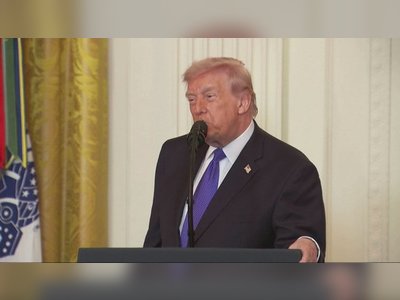
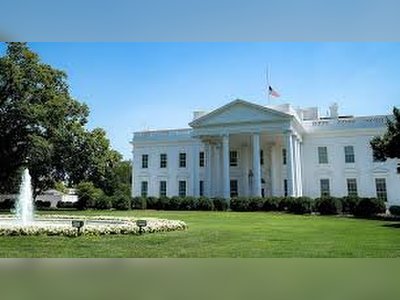
Nebraska Governor Jim Pillen attended a high-level roundtable discussion at the White House with President Donald Trump and senior administration officials on January 16, 2026, focused on bolstering rural health care across the United States.
The gathering celebrated the Rural Health Transformation Program, a landmark $50 billion initiative established under the Trump Administration’s Working Families Tax Cuts legislation to support rural hospitals, expand access to care and modernize health infrastructure in underserved communities.
Governors, lawmakers and health leaders convened to discuss how the investment will be deployed to meet the unique needs of rural residents, with particular emphasis on improving services for veterans, enhancing mental health care and expanding the use of technology in remote areas.
In his remarks at the roundtable, Pillen praised the administration’s leadership and expressed appreciation for the historic investment in rural America, noting that the funding will allow Nebraska to pursue pragmatic and sustainable health care solutions.
He highlighted priorities such as incentivizing locally sourced nutrition, addressing behavioral health challenges and leveraging technology to improve access for rural families.
He underscored the state’s commitment to advancing these goals and thanked President Trump for championing rural health care.
Trump also commended Pillen’s efforts in Nebraska and reaffirmed the administration’s commitment to supporting rural communities through strategic federal investments.
The event, which included U.S. Agriculture Secretary Brooke Rollins and other policymakers, underscored the administration’s emphasis on rural health as a national priority.
Nebraska is set to receive over $218 million in the first year of the five-year grant program to expand health care access and infrastructure.
Officials described the investment as a once-in-a-generation opportunity that will have long-lasting benefits for rural hospitals and clinics, strengthen workforce capacity and improve health outcomes for millions of Americans living outside urban centers.
The gathering celebrated the Rural Health Transformation Program, a landmark $50 billion initiative established under the Trump Administration’s Working Families Tax Cuts legislation to support rural hospitals, expand access to care and modernize health infrastructure in underserved communities.
Governors, lawmakers and health leaders convened to discuss how the investment will be deployed to meet the unique needs of rural residents, with particular emphasis on improving services for veterans, enhancing mental health care and expanding the use of technology in remote areas.
In his remarks at the roundtable, Pillen praised the administration’s leadership and expressed appreciation for the historic investment in rural America, noting that the funding will allow Nebraska to pursue pragmatic and sustainable health care solutions.
He highlighted priorities such as incentivizing locally sourced nutrition, addressing behavioral health challenges and leveraging technology to improve access for rural families.
He underscored the state’s commitment to advancing these goals and thanked President Trump for championing rural health care.
Trump also commended Pillen’s efforts in Nebraska and reaffirmed the administration’s commitment to supporting rural communities through strategic federal investments.
The event, which included U.S. Agriculture Secretary Brooke Rollins and other policymakers, underscored the administration’s emphasis on rural health as a national priority.
Nebraska is set to receive over $218 million in the first year of the five-year grant program to expand health care access and infrastructure.
Officials described the investment as a once-in-a-generation opportunity that will have long-lasting benefits for rural hospitals and clinics, strengthen workforce capacity and improve health outcomes for millions of Americans living outside urban centers.