Focus on the BIG picture.
Sunday, Apr 26, 2026
Outside the box.

Gunfire at Washington correspondents’ dinner triggers evacuation of Trump and guests as suspect is detained
A security breach outside the White House Correspondents’ Association dinner in Washington DC escalated into gunfire, prompting a rapid Secret Service response and full evacuation of President Donald Trump and thousands of attendees
An event-driven security breach at the White House Correspondents’ Association dinner in Washington, DC escalated into a gunfire incident that forced the evacuation of President Donald Trump, senior officials, and roughly 2,500–2,600 guests, triggering one of the most serious disruptions to the annual political-media gathering in recent years.
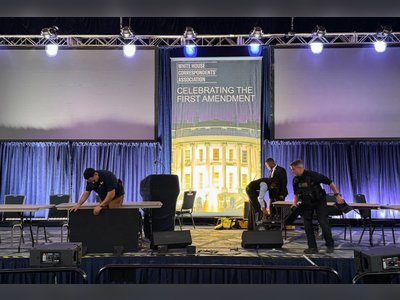
What is confirmed is that shots were fired during or near the event at the Washington Hilton, where the dinner was being held.
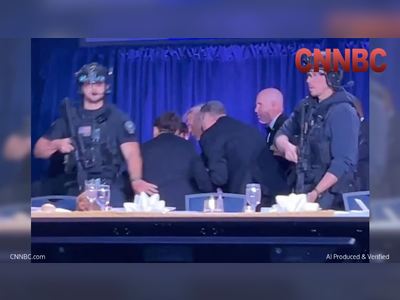
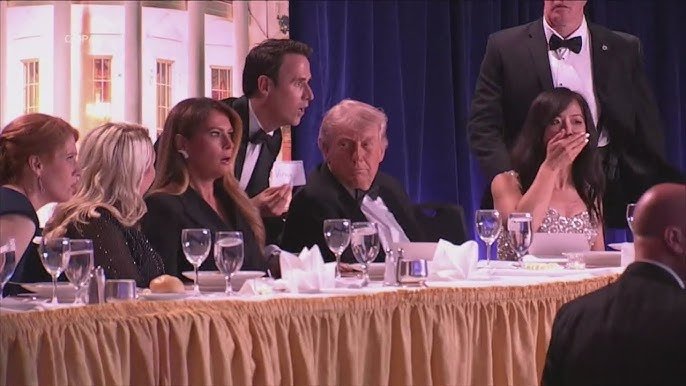
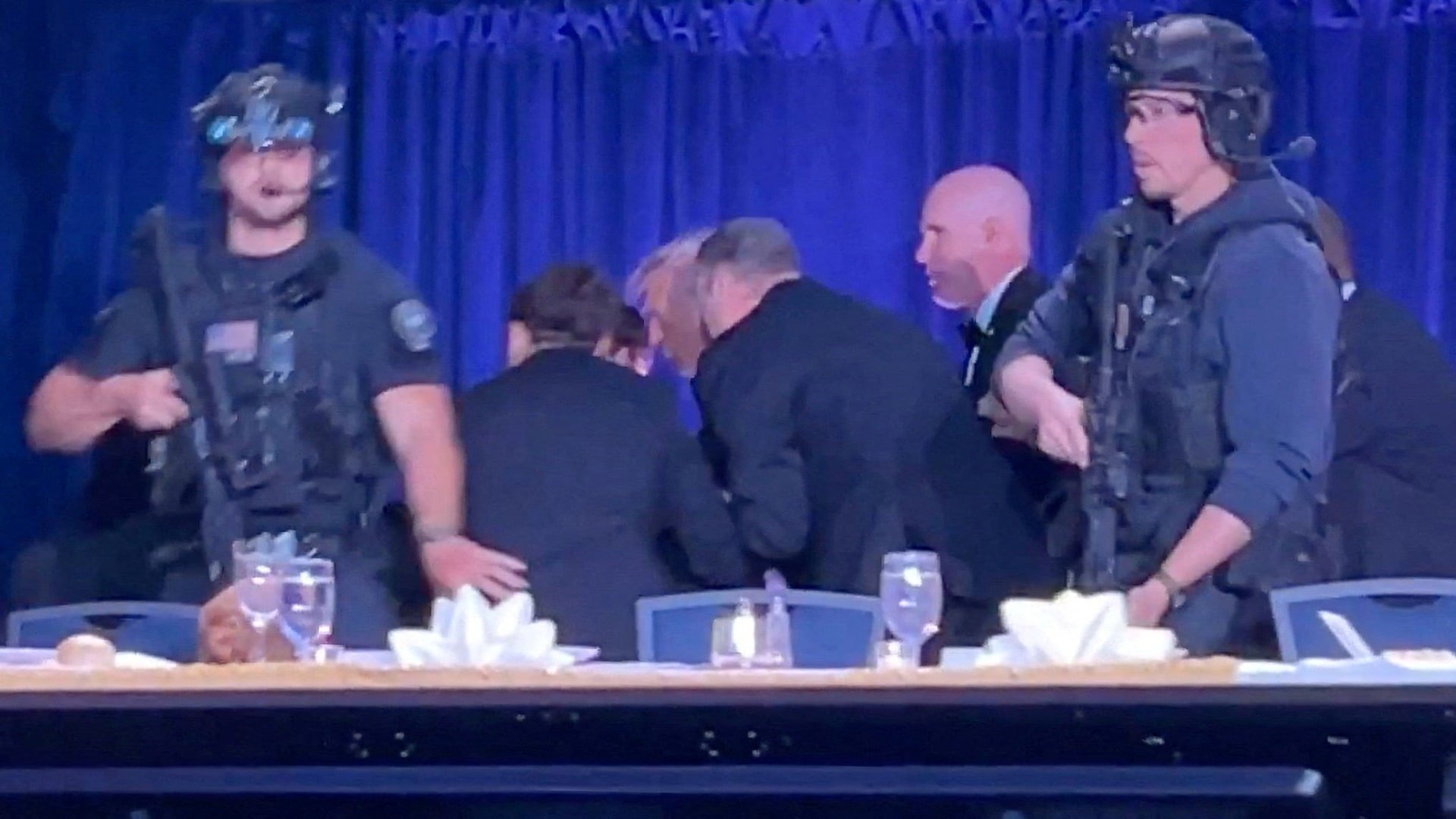
Security personnel immediately moved to protect high-risk individuals, including the president, vice president, cabinet members, and senior journalists, while attendees were instructed to take cover under tables or evacuate the ballroom.
The Secret Service and other law enforcement units quickly secured the building.
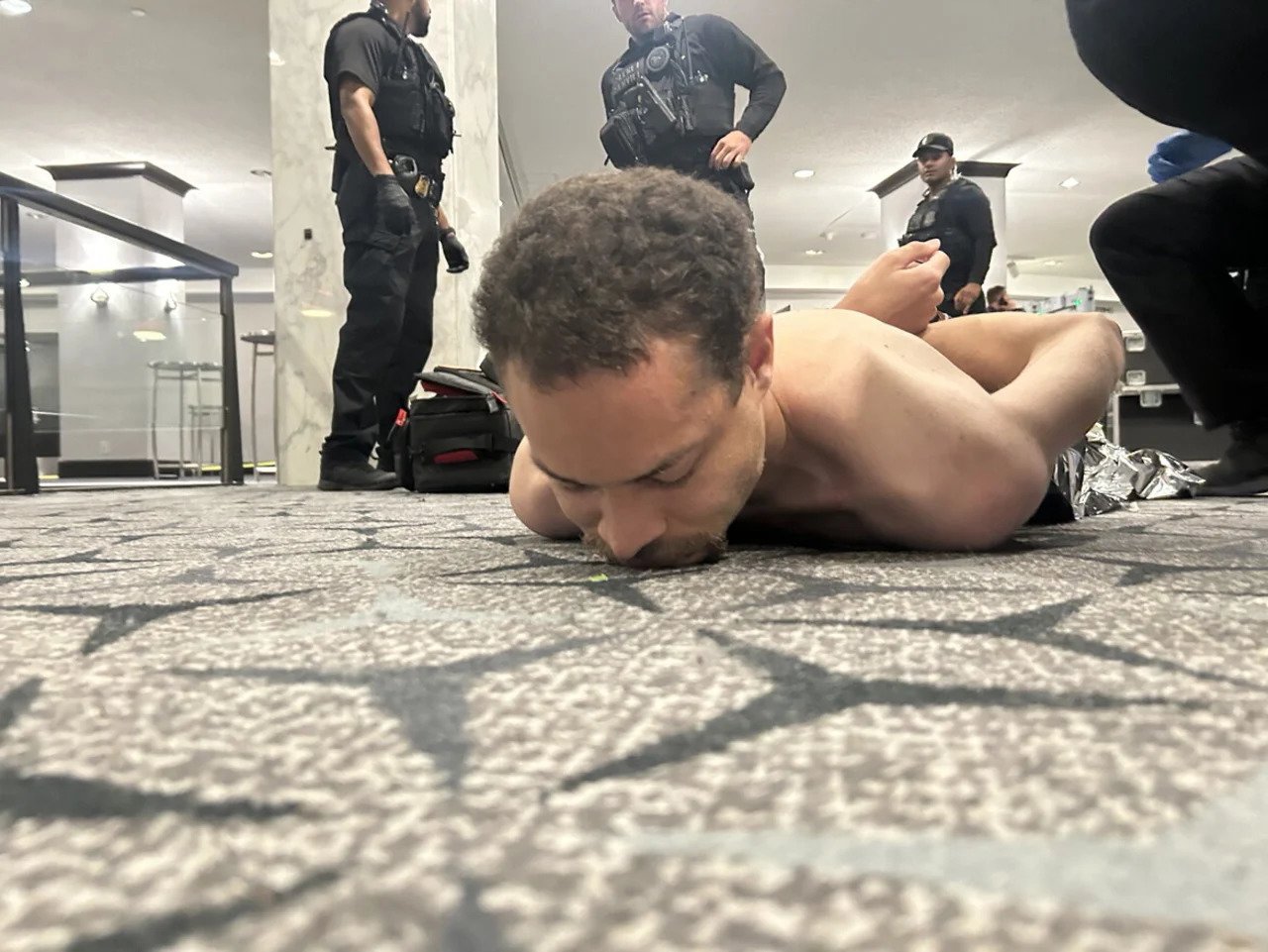
Authorities detained a suspect shortly after the incident.
The individual was reportedly armed with multiple weapons, and officials have stated that he acted alone.
One Secret Service agent was struck during the confrontation but was protected by a bulletproof vest and did not suffer life-threatening injuries.
The suspect was taken into custody alive and transported for medical evaluation before being moved into detention.
The key issue is that while gunfire has been confirmed, the exact sequence of how the attacker gained proximity to the venue’s secured perimeter is still being reconstructed.
Early accounts indicate the suspect attempted to breach a security checkpoint near the hotel entrance and advanced toward internal areas where the ballroom was located.
Shots were then discharged during the confrontation with security forces.
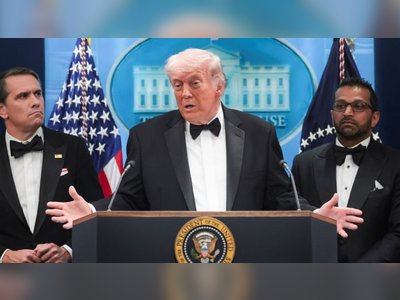
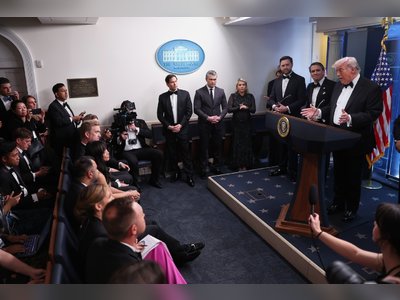
President Trump and First Lady Melania Trump were evacuated from the stage and transported to a secure location.
Officials later confirmed that all protected individuals, including cabinet members and journalists, were safe.
The event was halted and effectively canceled following the incident, with guests dispersed under law enforcement direction.
Investigators are now focused on determining the attacker’s motive and assessing how he was able to approach a heavily secured political event.
Preliminary assessments indicate no confirmed wider plot or coordinated attack, and law enforcement officials have described the incident as the action of a lone individual.
However, the investigation remains active, with forensic review of weapons, entry points, and surveillance footage underway.
The broader implications are significant for political event security in the United States.
The Correspondents’ Dinner is one of the most high-profile gatherings in Washington, attended by top government officials, military leadership, and major media figures.
A breach at this level has immediate consequences for security protocols at future events, particularly those involving the president and other protected persons in semi-public venues.
In the immediate aftermath, federal agencies have reinforced protective measures around major Washington venues, while internal reviews are expected to examine both perimeter screening and internal access control within large hotel-based events.
The focus now shifts to whether the breach represents an isolated failure or exposes systemic vulnerabilities in event security design.
What is confirmed is that shots were fired during or near the event at the Washington Hilton, where the dinner was being held.
Security personnel immediately moved to protect high-risk individuals, including the president, vice president, cabinet members, and senior journalists, while attendees were instructed to take cover under tables or evacuate the ballroom.
The Secret Service and other law enforcement units quickly secured the building.
Authorities detained a suspect shortly after the incident.
The individual was reportedly armed with multiple weapons, and officials have stated that he acted alone.
One Secret Service agent was struck during the confrontation but was protected by a bulletproof vest and did not suffer life-threatening injuries.
The suspect was taken into custody alive and transported for medical evaluation before being moved into detention.
The key issue is that while gunfire has been confirmed, the exact sequence of how the attacker gained proximity to the venue’s secured perimeter is still being reconstructed.
Early accounts indicate the suspect attempted to breach a security checkpoint near the hotel entrance and advanced toward internal areas where the ballroom was located.
Shots were then discharged during the confrontation with security forces.
President Trump and First Lady Melania Trump were evacuated from the stage and transported to a secure location.
Officials later confirmed that all protected individuals, including cabinet members and journalists, were safe.
The event was halted and effectively canceled following the incident, with guests dispersed under law enforcement direction.
Investigators are now focused on determining the attacker’s motive and assessing how he was able to approach a heavily secured political event.
Preliminary assessments indicate no confirmed wider plot or coordinated attack, and law enforcement officials have described the incident as the action of a lone individual.
However, the investigation remains active, with forensic review of weapons, entry points, and surveillance footage underway.
The broader implications are significant for political event security in the United States.
The Correspondents’ Dinner is one of the most high-profile gatherings in Washington, attended by top government officials, military leadership, and major media figures.
A breach at this level has immediate consequences for security protocols at future events, particularly those involving the president and other protected persons in semi-public venues.
In the immediate aftermath, federal agencies have reinforced protective measures around major Washington venues, while internal reviews are expected to examine both perimeter screening and internal access control within large hotel-based events.
The focus now shifts to whether the breach represents an isolated failure or exposes systemic vulnerabilities in event security design.