Focus on the BIG picture.
Thursday, May 14, 2026
Outside the box.

Hong Kong Stocks Edge Higher as US–China Leaders Signal Potential High-Level Engagement
Markets in Hong Kong posted modest gains amid expectations of renewed dialogue between Washington and Beijing, with investors weighing trade, tech restrictions, and global risk sentiment
SYSTEM-DRIVEN global market dynamics shaped trading in Hong Kong as equities edged higher on expectations of potential engagement between United States and Chinese leadership, reflecting how geopolitical signaling continues to directly influence financial pricing in Asia’s major stock markets.
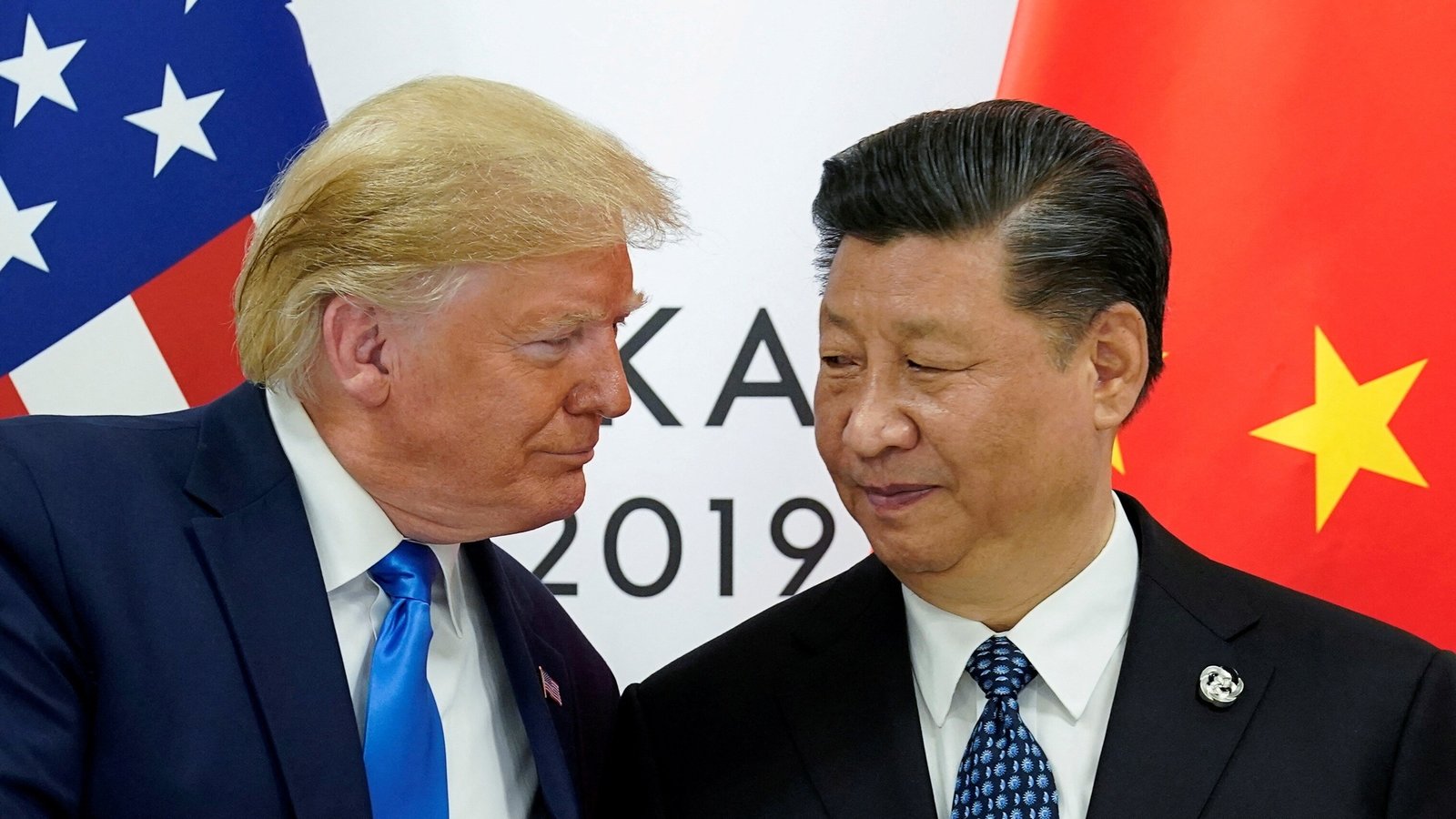
What is confirmed is that Hong Kong equities recorded slight gains in early trading after market participants responded to reports and signals suggesting that Donald Trump and Xi Jinping are preparing for high-level discussions.
The move was modest rather than directional, reflecting cautious investor positioning rather than a full risk-on shift.
Broader Asian markets showed mixed performance, indicating that sentiment remains uneven across the region.
The underlying driver is the persistent sensitivity of Hong Kong-listed stocks to US–China relations.
Even incremental signs of diplomatic engagement between Washington and Beijing tend to move markets because they directly affect expectations around tariffs, technology restrictions, capital flows, and supply chain policy.
Investors typically price in potential policy easing or escalation long before concrete outcomes emerge.
The reported expectation of a meeting comes at a time when markets have been navigating a complex mix of macroeconomic pressures, including elevated interest rates in major economies, uneven Chinese domestic demand recovery, and ongoing regulatory uncertainty in sectors such as technology, property, and advanced manufacturing.
Against this backdrop, any indication of political dialogue between the two largest global economies is treated as a potential stabilizing factor.
Hong Kong’s stock market serves as a key conduit for global sentiment toward China-related assets.
It is particularly sensitive to external policy signals because it includes many large mainland Chinese companies listed in an internationally accessible jurisdiction.
This makes it a proxy market for global investors seeking exposure to China while managing regulatory and capital control risks.
What is confirmed is that no formal policy changes or agreements have been announced in connection with the reported meeting expectations.
Market movement remains driven by anticipation rather than executed diplomatic outcomes.
This distinction is important because prior episodes of US–China engagement have shown that initial optimism can fade quickly if talks do not produce tangible policy adjustments.
The technology and export-oriented sectors are typically the most responsive to such developments, as they are directly exposed to restrictions on semiconductors, artificial intelligence systems, and high-end manufacturing inputs.
Financial stocks also tend to react, reflecting expectations around cross-border investment flows and broader economic growth projections.
Despite the modest gains, market analysts generally interpret such moves as short-term sentiment adjustments rather than structural repricing.
Sustained rallies typically require either confirmed policy easing or measurable improvements in trade and regulatory conditions rather than signals alone.
The current trading pattern underscores a broader reality in global markets: geopolitical communication between major powers has become a core input into asset pricing models.
Even rumors or early-stage diplomatic signaling can shift capital allocation decisions, particularly in regions directly exposed to bilateral policy risk.
The immediate implication is that Hong Kong equities are likely to remain highly responsive to further developments in US–China relations, with volatility tied closely to official confirmation of any leadership-level meeting and any subsequent policy announcements that may follow.
What is confirmed is that Hong Kong equities recorded slight gains in early trading after market participants responded to reports and signals suggesting that Donald Trump and Xi Jinping are preparing for high-level discussions.
The move was modest rather than directional, reflecting cautious investor positioning rather than a full risk-on shift.
Broader Asian markets showed mixed performance, indicating that sentiment remains uneven across the region.
The underlying driver is the persistent sensitivity of Hong Kong-listed stocks to US–China relations.
Even incremental signs of diplomatic engagement between Washington and Beijing tend to move markets because they directly affect expectations around tariffs, technology restrictions, capital flows, and supply chain policy.
Investors typically price in potential policy easing or escalation long before concrete outcomes emerge.
The reported expectation of a meeting comes at a time when markets have been navigating a complex mix of macroeconomic pressures, including elevated interest rates in major economies, uneven Chinese domestic demand recovery, and ongoing regulatory uncertainty in sectors such as technology, property, and advanced manufacturing.
Against this backdrop, any indication of political dialogue between the two largest global economies is treated as a potential stabilizing factor.
Hong Kong’s stock market serves as a key conduit for global sentiment toward China-related assets.
It is particularly sensitive to external policy signals because it includes many large mainland Chinese companies listed in an internationally accessible jurisdiction.
This makes it a proxy market for global investors seeking exposure to China while managing regulatory and capital control risks.
What is confirmed is that no formal policy changes or agreements have been announced in connection with the reported meeting expectations.
Market movement remains driven by anticipation rather than executed diplomatic outcomes.
This distinction is important because prior episodes of US–China engagement have shown that initial optimism can fade quickly if talks do not produce tangible policy adjustments.
The technology and export-oriented sectors are typically the most responsive to such developments, as they are directly exposed to restrictions on semiconductors, artificial intelligence systems, and high-end manufacturing inputs.
Financial stocks also tend to react, reflecting expectations around cross-border investment flows and broader economic growth projections.
Despite the modest gains, market analysts generally interpret such moves as short-term sentiment adjustments rather than structural repricing.
Sustained rallies typically require either confirmed policy easing or measurable improvements in trade and regulatory conditions rather than signals alone.
The current trading pattern underscores a broader reality in global markets: geopolitical communication between major powers has become a core input into asset pricing models.
Even rumors or early-stage diplomatic signaling can shift capital allocation decisions, particularly in regions directly exposed to bilateral policy risk.
The immediate implication is that Hong Kong equities are likely to remain highly responsive to further developments in US–China relations, with volatility tied closely to official confirmation of any leadership-level meeting and any subsequent policy announcements that may follow.