Focus on the BIG picture.
Friday, Apr 17, 2026
Outside the box.

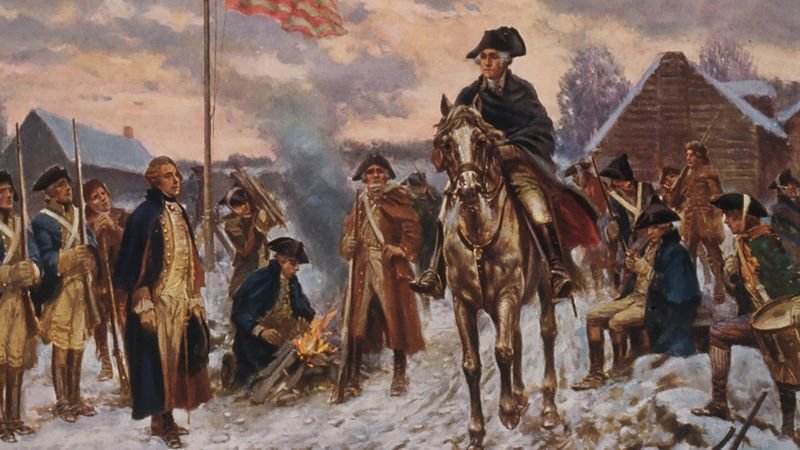
How George Washington Earned the Title ‘Father of His Country’
From revolutionary commander to first American president, Washington’s leadership shaped the United States’ founding and national identity
George Washington’s designation as “the father of his country” reflects his defining role in securing American independence and shaping the early republic.
As commander-in-chief of the Continental Army, Washington led the colonies to victory against British forces in the American Revolutionary War, enduring hardship and inspiring unity among diverse colonial forces.
His leadership at critical moments — such as the surprise crossing of the Delaware River in late 1776 and the decisive Siege of Yorktown in 1781 — helped secure the military success that paved the way for independence.
At the end of the Revolutionary War, Washington’s voluntary resignation of his military commission in 1783 demonstrated his commitment to republican principles.
Rather than seizing power, he returned to civilian life, an act that contemporaries lauded as emblematic of selfless service and restraint.
British monarchs and foreign observers highlighted this gesture as exceptional among military leaders of the age, reinforcing his emerging legacy as a uniquely virtuous figure.
Washington’s influence extended beyond the battlefield.
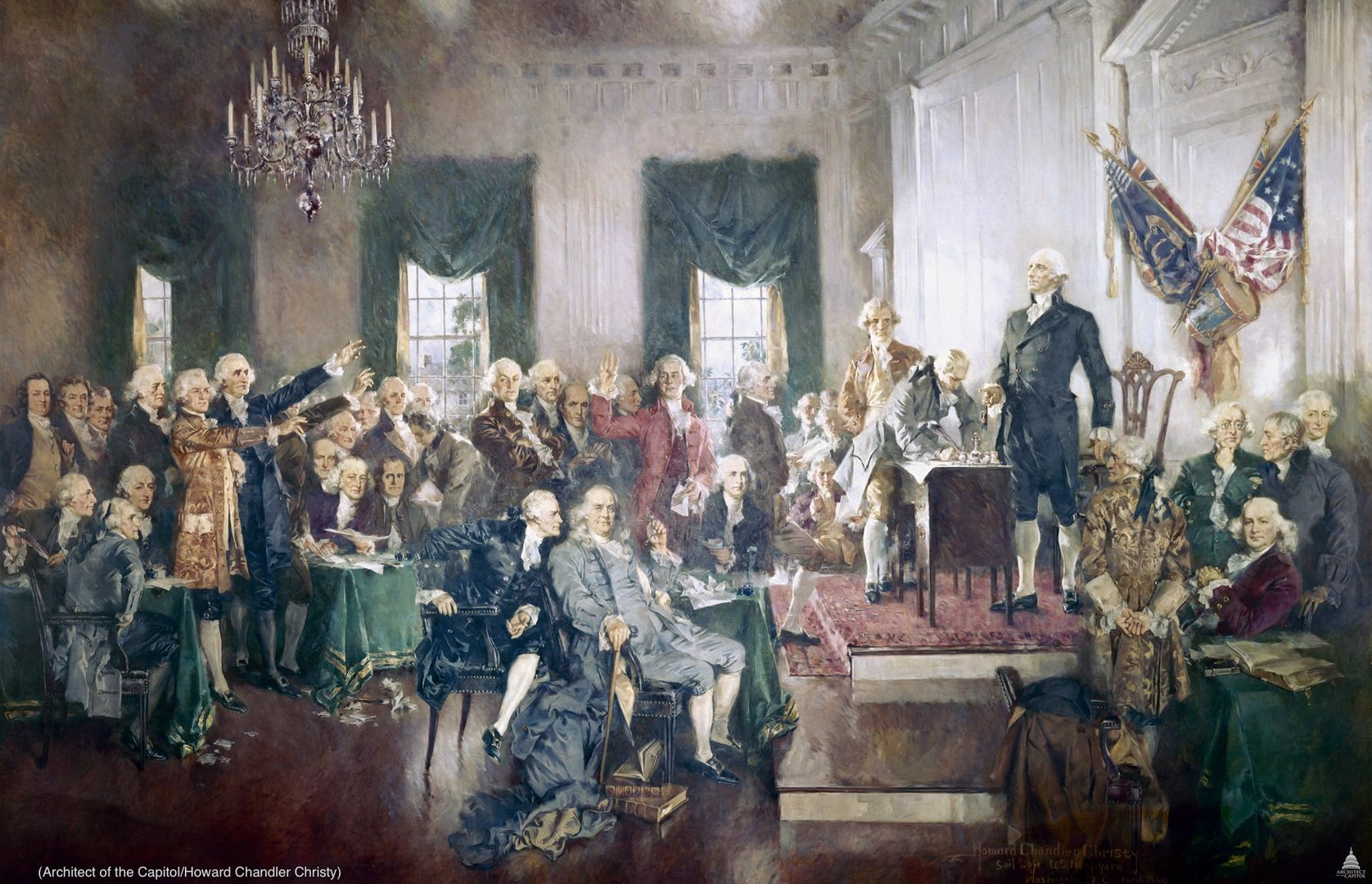
He presided over the 1787 Constitutional Convention in Philadelphia, where his stature encouraged compromise and helped shape the United States Constitution as a lasting framework for governance.
When the new republic held its first presidential election in 1789, Washington was unanimously chosen as the first President of the United States, underscoring widespread trust in his leadership and character.
As president, Washington established enduring precedents, including the formation of a presidential cabinet, support for neutrality in international affairs and the tradition of serving only two terms in office.
His decision to relinquish the presidency at the end of his second term in 1797 further cemented his reputation for placing country above personal ambition.
The term “father of his country” appeared in print as early as the late 1770s and was widely embraced by the time of his inauguration.
Writers, politicians and artists applied the designation to Washington to honour his pivotal role in American independence, constitution-building and statecraft.
Over time, it became embedded in national memory, symbolising his foundational contributions to the creation and early governance of the United States.
As commander-in-chief of the Continental Army, Washington led the colonies to victory against British forces in the American Revolutionary War, enduring hardship and inspiring unity among diverse colonial forces.
His leadership at critical moments — such as the surprise crossing of the Delaware River in late 1776 and the decisive Siege of Yorktown in 1781 — helped secure the military success that paved the way for independence.
At the end of the Revolutionary War, Washington’s voluntary resignation of his military commission in 1783 demonstrated his commitment to republican principles.
Rather than seizing power, he returned to civilian life, an act that contemporaries lauded as emblematic of selfless service and restraint.
British monarchs and foreign observers highlighted this gesture as exceptional among military leaders of the age, reinforcing his emerging legacy as a uniquely virtuous figure.
Washington’s influence extended beyond the battlefield.
He presided over the 1787 Constitutional Convention in Philadelphia, where his stature encouraged compromise and helped shape the United States Constitution as a lasting framework for governance.
When the new republic held its first presidential election in 1789, Washington was unanimously chosen as the first President of the United States, underscoring widespread trust in his leadership and character.
As president, Washington established enduring precedents, including the formation of a presidential cabinet, support for neutrality in international affairs and the tradition of serving only two terms in office.
His decision to relinquish the presidency at the end of his second term in 1797 further cemented his reputation for placing country above personal ambition.
The term “father of his country” appeared in print as early as the late 1770s and was widely embraced by the time of his inauguration.
Writers, politicians and artists applied the designation to Washington to honour his pivotal role in American independence, constitution-building and statecraft.
Over time, it became embedded in national memory, symbolising his foundational contributions to the creation and early governance of the United States.