Focus on the BIG picture.
Wednesday, Apr 15, 2026
Outside the box.

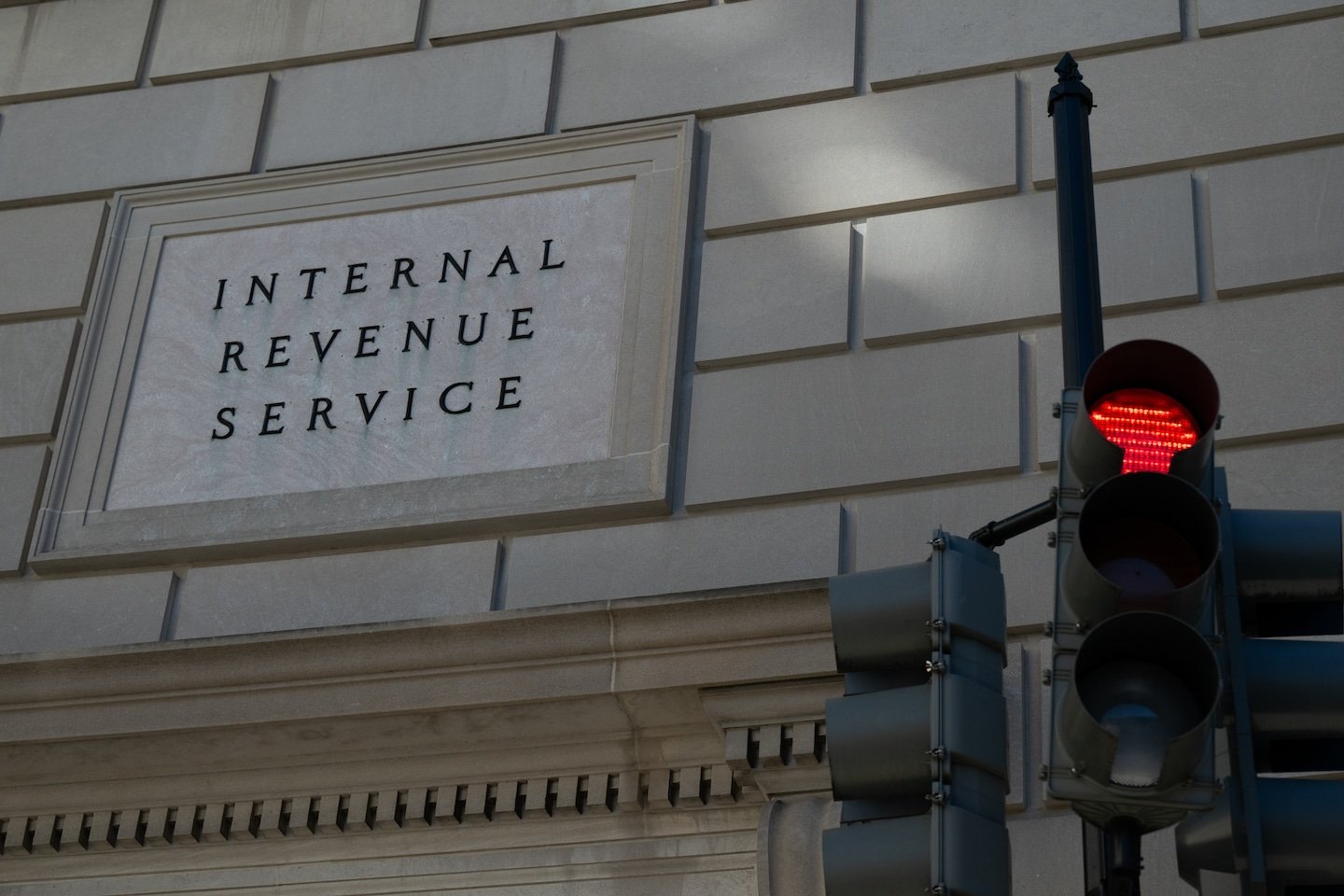
IRS Improperly Shared Confidential Tax Data of Immigrants With DHS in Legal and Privacy Breach
Internal Revenue Service disclosed sensitive taxpayer information to Department of Homeland Security before courts blocked the program
The Internal Revenue Service improperly disclosed confidential tax information of thousands of individuals, including immigrants, to the Department of Homeland Security and its enforcement agencies under a data-sharing arrangement that has since been struck down by federal courts.
The disclosure, discovered late, raises legal and privacy concerns because federal law generally forbids the sharing of taxpayer information except under narrowly defined circumstances.
The dispute dates to April 2025, when the Treasury Department, IRS and Department of Homeland Security finalised a memorandum of understanding to allow immigration authorities to request taxpayer data to assist in locating individuals the government believed to be in the country without legal status.
Homeland Security requested data on as many as 1.2 million individuals, and the IRS provided information on roughly 47,000, including addresses.
The agency later acknowledged that thousands of other taxpayers’ confidential information may have been inadvertently disclosed amid the data exchange, a mistake only recently brought to light by internal review and court filings.
Federal law, including Section 6103 of the Internal Revenue Code, generally mandates strict protection of taxpayer information, and federal judges have ruled that the data-sharing agreement violated statutory confidentiality provisions and taxpayer rights.
In separate rulings, judges blocked the sharing of IRS data with immigration enforcement and barred officials, including Department of Homeland Security and U.S. Immigration and Customs Enforcement personnel, from using return information provided through the now-invalidated agreement.
Opponents of the policy argue that the improper disclosures have eroded trust in tax confidentiality and could chill voluntary compliance by immigrant taxpayers.
The IRS is coordinating with the Treasury Department, the Justice Department and Homeland Security on responses to the revelations and the ongoing litigation.
Legal experts note that improper disclosure of taxpayer information can carry civil and criminal penalties for federal employees and entitle affected taxpayers to compensation.
The Trump administration officials involved defended the need for information sharing as essential for immigration enforcement and public safety but have faced judicial rebukes that emphasise the statutory protections afforded to taxpayer data.
The controversy has also highlighted internal resistance within the IRS to the data-sharing effort.
Former acting IRS Commissioner Melanie Krause resigned in April 2025 citing objections to the agreement, which she had not been included in negotiating.
The case continues to be litigated in the U.S. Court of Appeals for the District of Columbia Circuit, with implications for future federal data-sharing policies and the legal limits on interagency cooperation in immigration enforcement.
The disclosure, discovered late, raises legal and privacy concerns because federal law generally forbids the sharing of taxpayer information except under narrowly defined circumstances.
The dispute dates to April 2025, when the Treasury Department, IRS and Department of Homeland Security finalised a memorandum of understanding to allow immigration authorities to request taxpayer data to assist in locating individuals the government believed to be in the country without legal status.
Homeland Security requested data on as many as 1.2 million individuals, and the IRS provided information on roughly 47,000, including addresses.
The agency later acknowledged that thousands of other taxpayers’ confidential information may have been inadvertently disclosed amid the data exchange, a mistake only recently brought to light by internal review and court filings.
Federal law, including Section 6103 of the Internal Revenue Code, generally mandates strict protection of taxpayer information, and federal judges have ruled that the data-sharing agreement violated statutory confidentiality provisions and taxpayer rights.
In separate rulings, judges blocked the sharing of IRS data with immigration enforcement and barred officials, including Department of Homeland Security and U.S. Immigration and Customs Enforcement personnel, from using return information provided through the now-invalidated agreement.
Opponents of the policy argue that the improper disclosures have eroded trust in tax confidentiality and could chill voluntary compliance by immigrant taxpayers.
The IRS is coordinating with the Treasury Department, the Justice Department and Homeland Security on responses to the revelations and the ongoing litigation.
Legal experts note that improper disclosure of taxpayer information can carry civil and criminal penalties for federal employees and entitle affected taxpayers to compensation.
The Trump administration officials involved defended the need for information sharing as essential for immigration enforcement and public safety but have faced judicial rebukes that emphasise the statutory protections afforded to taxpayer data.
The controversy has also highlighted internal resistance within the IRS to the data-sharing effort.
Former acting IRS Commissioner Melanie Krause resigned in April 2025 citing objections to the agreement, which she had not been included in negotiating.
The case continues to be litigated in the U.S. Court of Appeals for the District of Columbia Circuit, with implications for future federal data-sharing policies and the legal limits on interagency cooperation in immigration enforcement.