Focus on the BIG picture.
Monday, May 18, 2026
Outside the box.

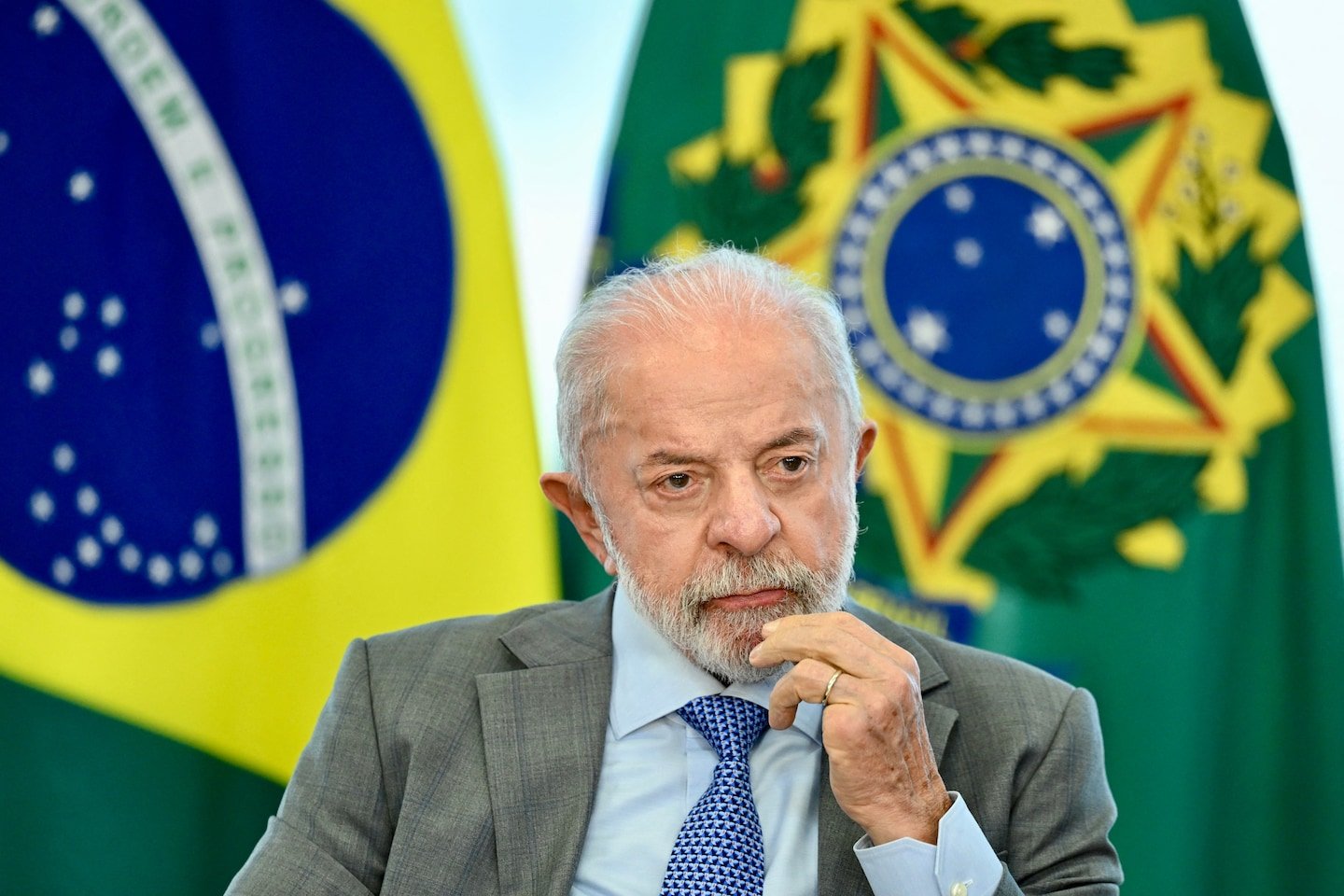
Lula Tests a New Playbook for Confronting Trump in a Shifting Global Trade Order
Brazil’s president is positioning himself as a model for left-leaning governments navigating renewed Trump-era pressure on trade, sovereignty, and diplomacy
The dominant driver of this story is actor-driven political strategy, centered on Brazilian President Luiz Inácio Lula da Silva and his approach to managing relations with Donald Trump amid a renewed phase of global economic nationalism and geopolitical realignment.
Lula’s approach reflects a broader question facing center-left governments: how to respond to the return of Trump-style trade and foreign policy pressure without escalating into full-scale economic confrontation or domestic political instability.
What is confirmed is that Lula has sought to present Brazil as a state capable of defending its economic sovereignty while maintaining pragmatic engagement with the United States, including under Trump’s renewed political influence in global markets and trade debates.
At the core of Lula’s strategy is a balancing act between public resistance and private negotiation.
His government has consistently emphasized Brazil’s right to regulate strategic sectors, protect industrial policy, and expand trade ties beyond traditional Western partners.
At the same time, Brazil has avoided direct escalation with Washington, signaling interest in continued cooperation on investment, energy, and agricultural trade.
This positioning is shaped by Brazil’s economic structure.
The country remains heavily dependent on commodity exports, particularly agricultural goods, minerals, and energy inputs, many of which are exposed to shifts in U.S. trade policy and global demand cycles.
Any confrontation with the United States carries potential spillover risks for currency stability, inflation, and foreign investment flows.
Lula’s message to other left-leaning governments is therefore less ideological than tactical.
It emphasizes the importance of state coordination, diversified trade partnerships, and controlled diplomatic friction rather than symbolic confrontation.
The underlying argument is that emerging economies should not mirror the reactive trade posture of advanced economies but instead use multipolar diplomacy to widen their strategic room for maneuver.
The Trump factor in this equation is structural rather than personal.
His political return has revived a policy environment characterized by tariffs, bilateral pressure tactics, and a preference for transactional diplomacy.
For governments like Brazil, this requires recalibrating assumptions about stable trade frameworks that had been built under earlier phases of globalization.
Lula’s approach also reflects domestic political calculations.
Brazil’s internal coalition includes business groups sensitive to trade disruption and political factions that favor stronger alignment with Global South economic blocs.
Managing these tensions requires projecting firmness externally while maintaining internal economic predictability.
The broader implication is that Lula is attempting to normalize a third path between confrontation and alignment.
Instead of treating Trump-era policy as an aberration, his government is treating it as a durable feature of global politics.
In doing so, Brazil is positioning itself as an example for other left-leaning administrations seeking to navigate a fragmented international economic system without sacrificing access to major markets or domestic policy autonomy.
Lula’s approach reflects a broader question facing center-left governments: how to respond to the return of Trump-style trade and foreign policy pressure without escalating into full-scale economic confrontation or domestic political instability.
What is confirmed is that Lula has sought to present Brazil as a state capable of defending its economic sovereignty while maintaining pragmatic engagement with the United States, including under Trump’s renewed political influence in global markets and trade debates.
At the core of Lula’s strategy is a balancing act between public resistance and private negotiation.
His government has consistently emphasized Brazil’s right to regulate strategic sectors, protect industrial policy, and expand trade ties beyond traditional Western partners.
At the same time, Brazil has avoided direct escalation with Washington, signaling interest in continued cooperation on investment, energy, and agricultural trade.
This positioning is shaped by Brazil’s economic structure.
The country remains heavily dependent on commodity exports, particularly agricultural goods, minerals, and energy inputs, many of which are exposed to shifts in U.S. trade policy and global demand cycles.
Any confrontation with the United States carries potential spillover risks for currency stability, inflation, and foreign investment flows.
Lula’s message to other left-leaning governments is therefore less ideological than tactical.
It emphasizes the importance of state coordination, diversified trade partnerships, and controlled diplomatic friction rather than symbolic confrontation.
The underlying argument is that emerging economies should not mirror the reactive trade posture of advanced economies but instead use multipolar diplomacy to widen their strategic room for maneuver.
The Trump factor in this equation is structural rather than personal.
His political return has revived a policy environment characterized by tariffs, bilateral pressure tactics, and a preference for transactional diplomacy.
For governments like Brazil, this requires recalibrating assumptions about stable trade frameworks that had been built under earlier phases of globalization.
Lula’s approach also reflects domestic political calculations.
Brazil’s internal coalition includes business groups sensitive to trade disruption and political factions that favor stronger alignment with Global South economic blocs.
Managing these tensions requires projecting firmness externally while maintaining internal economic predictability.
The broader implication is that Lula is attempting to normalize a third path between confrontation and alignment.
Instead of treating Trump-era policy as an aberration, his government is treating it as a durable feature of global politics.
In doing so, Brazil is positioning itself as an example for other left-leaning administrations seeking to navigate a fragmented international economic system without sacrificing access to major markets or domestic policy autonomy.