Focus on the BIG picture.
Monday, May 18, 2026
Outside the box.

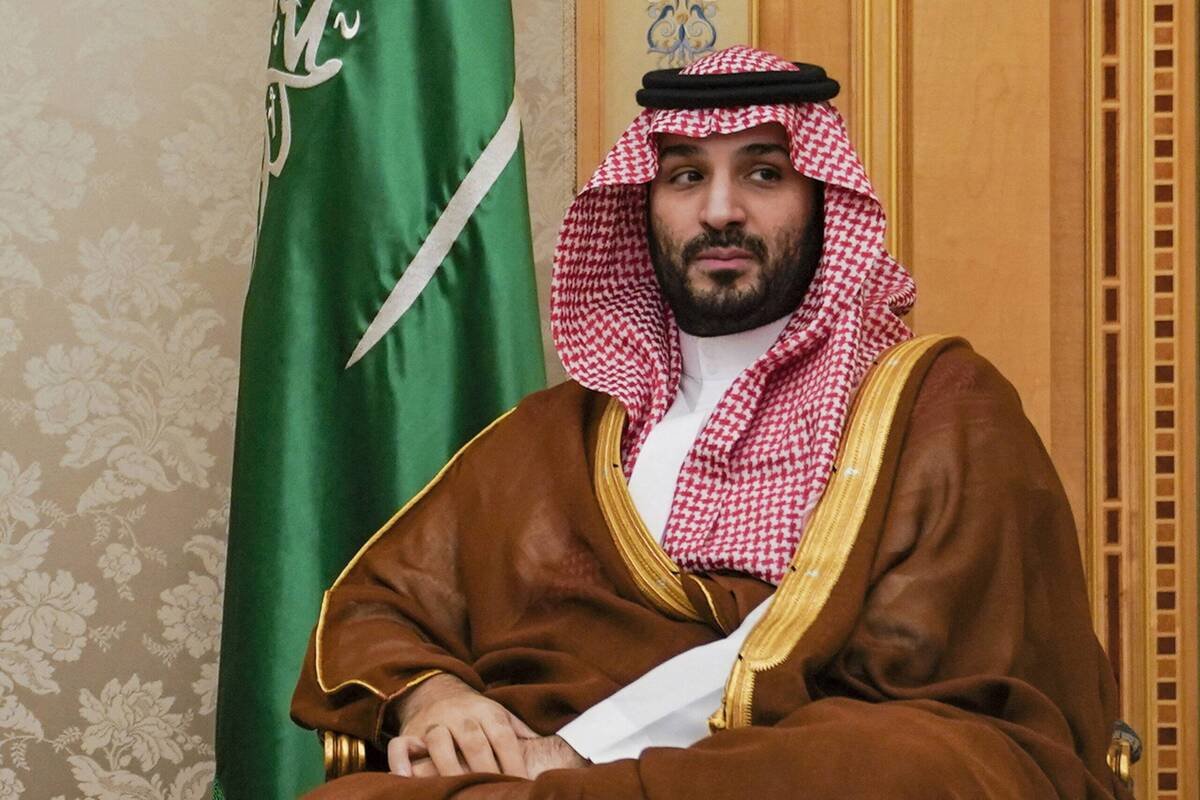
Saudi Diplomacy Pushes ‘Gulf Helsinki’ Model as Regional Security Order Shifts Away from U.S. Primacy
Riyadh’s quiet outreach to Europe signals an effort to build a structured Gulf–Iran security framework amid rising regional instability and uncertainty over Washington’s role
A growing diplomatic effort led by Saudi Arabia is attempting to reshape the security architecture of the Gulf by encouraging European involvement in a long-term framework often described as a “Gulf Helsinki” model, aimed at managing tensions with Iran through structured dialogue, confidence-building measures, and regional security coordination.
The core driver of this initiative is SYSTEM-DRIVEN: a shift in regional security governance away from reliance on a single external guarantor toward a multi-layered diplomatic structure involving Gulf states, Iran, and selected external partners.
The concept draws loose historical parallels with the Cold War-era Helsinki Process in Europe, which established communication channels and political commitments between adversarial blocs to reduce the risk of escalation.
Saudi policymakers are seeking to reduce vulnerability to regional shocks by widening the diplomatic base involved in Gulf security discussions.
This reflects a broader reassessment of assumptions that long-term deterrence and crisis management in the region can be anchored primarily by United States military and political leadership.
Instead, Riyadh is positioning itself as a central coordinator in a more diversified diplomatic system that includes European states as mediators and stabilizing actors.
The push comes amid sustained volatility in the Gulf and surrounding regions, where tensions involving Iran, maritime security, and proxy conflicts have repeatedly raised the risk of escalation.
Gulf states have increasingly pursued parallel strategies: maintaining security ties with the United States while also expanding diplomatic channels with Iran to manage direct risks.
Saudi Arabia’s earlier normalization of relations with Tehran through China-mediated talks marked a turning point in this approach.
Europe’s role in the emerging discussion is driven less by military capacity and more by diplomatic and economic leverage.
European governments have maintained engagement with Iran through nuclear negotiations frameworks and sanctions regimes, giving them institutional experience in structured bargaining processes.
Saudi Arabia appears to view this as useful in constructing a broader dialogue architecture that extends beyond bilateral Gulf–Iran dynamics.
The reference to a “Helsinki” model signals an ambition to institutionalize communication rather than rely on ad hoc crisis management.
In practical terms, this could include regularized security dialogues, maritime deconfliction mechanisms, and agreed behavioral norms designed to reduce miscalculation in contested areas such as the Strait of Hormuz and broader Gulf waterways.
At the same time, the initiative reflects underlying uncertainty about the durability and predictability of external security guarantees.
Shifts in United States strategic focus, combined with episodic regional disengagement and re-engagement cycles, have encouraged Gulf states to hedge their security dependencies.
Saudi diplomacy is increasingly shaped by this structural recalibration rather than by a single alliance framework.
The outcome of the effort will depend on whether Iran, European governments, and Gulf partners can align on minimum shared interests without requiring full political normalization.
If successful, the approach would not replace existing security arrangements but would add an additional layer of crisis management designed to reduce escalation risk in a region where military and political tensions remain tightly interconnected.
The core driver of this initiative is SYSTEM-DRIVEN: a shift in regional security governance away from reliance on a single external guarantor toward a multi-layered diplomatic structure involving Gulf states, Iran, and selected external partners.
The concept draws loose historical parallels with the Cold War-era Helsinki Process in Europe, which established communication channels and political commitments between adversarial blocs to reduce the risk of escalation.
Saudi policymakers are seeking to reduce vulnerability to regional shocks by widening the diplomatic base involved in Gulf security discussions.
This reflects a broader reassessment of assumptions that long-term deterrence and crisis management in the region can be anchored primarily by United States military and political leadership.
Instead, Riyadh is positioning itself as a central coordinator in a more diversified diplomatic system that includes European states as mediators and stabilizing actors.
The push comes amid sustained volatility in the Gulf and surrounding regions, where tensions involving Iran, maritime security, and proxy conflicts have repeatedly raised the risk of escalation.
Gulf states have increasingly pursued parallel strategies: maintaining security ties with the United States while also expanding diplomatic channels with Iran to manage direct risks.
Saudi Arabia’s earlier normalization of relations with Tehran through China-mediated talks marked a turning point in this approach.
Europe’s role in the emerging discussion is driven less by military capacity and more by diplomatic and economic leverage.
European governments have maintained engagement with Iran through nuclear negotiations frameworks and sanctions regimes, giving them institutional experience in structured bargaining processes.
Saudi Arabia appears to view this as useful in constructing a broader dialogue architecture that extends beyond bilateral Gulf–Iran dynamics.
The reference to a “Helsinki” model signals an ambition to institutionalize communication rather than rely on ad hoc crisis management.
In practical terms, this could include regularized security dialogues, maritime deconfliction mechanisms, and agreed behavioral norms designed to reduce miscalculation in contested areas such as the Strait of Hormuz and broader Gulf waterways.
At the same time, the initiative reflects underlying uncertainty about the durability and predictability of external security guarantees.
Shifts in United States strategic focus, combined with episodic regional disengagement and re-engagement cycles, have encouraged Gulf states to hedge their security dependencies.
Saudi diplomacy is increasingly shaped by this structural recalibration rather than by a single alliance framework.
The outcome of the effort will depend on whether Iran, European governments, and Gulf partners can align on minimum shared interests without requiring full political normalization.
If successful, the approach would not replace existing security arrangements but would add an additional layer of crisis management designed to reduce escalation risk in a region where military and political tensions remain tightly interconnected.