Focus on the BIG picture.
Saturday, Apr 04, 2026
Outside the box.

0:00
0:00
Russia Accused of Sharing Intelligence With Iran on U.S. Military Targets Amid Escalating Conflict
Officials say Moscow has passed information on American forces in the Middle East to Tehran as regional tensions intensify following U.S. and Israeli strikes on Iran
U.S. officials say Russia has provided Iran with intelligence that could help Tehran identify and strike American military assets across the Middle East, marking a potentially significant development in the rapidly expanding regional conflict.
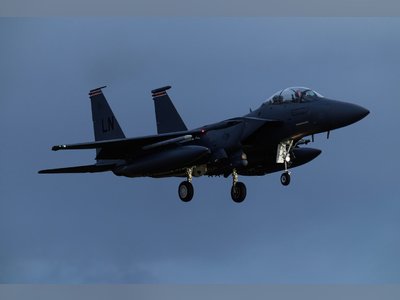
According to officials familiar with intelligence assessments, Moscow has shared information that could reveal the locations of U.S. ships, aircraft and other military positions in the region.
The intelligence, they say, may assist Iran in planning retaliatory attacks against American forces following the large-scale military campaign launched by the United States and Israel against Iranian targets.
The revelation comes as fighting intensifies across the Middle East after the United States and Israel carried out extensive strikes designed to dismantle Iran’s strategic capabilities and reduce the threat posed by its missile and military infrastructure.
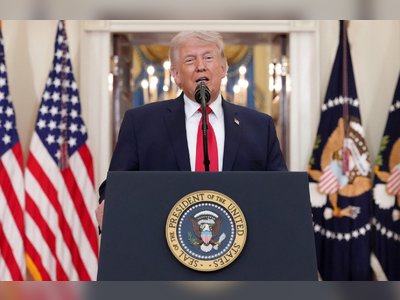
The coordinated operation, directed under the leadership of President Donald Trump in close partnership with Israel, has involved hundreds of strikes on Iranian facilities and military assets.
Iran has responded with missile and drone attacks across several countries hosting American forces, including locations in the Gulf region.
The escalating exchange of strikes has raised concerns among governments and military planners that the conflict could widen further if additional powers become directly involved.
Officials familiar with the intelligence say the information reportedly provided by Russia included data that could help identify U.S. military positions in the region.
However, there is no indication that Russian authorities have directly guided Iranian forces on how to carry out specific attacks.
The White House has indicated that the reported intelligence sharing has not altered the effectiveness of ongoing U.S. military operations, which officials describe as continuing to achieve their objectives against Iranian capabilities.
U.S. officials have emphasized that American forces remain fully prepared to defend themselves and their allies in the region.
Russia has maintained public dialogue with Iran but has not confirmed the allegations of intelligence sharing.
Kremlin representatives have indicated that Moscow does not intend to enter the conflict militarily and have described the confrontation as separate from Russia’s own strategic priorities.
The reported development highlights the increasingly complex geopolitical environment surrounding the war.
Russia and Iran have deepened cooperation in recent years through arms transfers, military technology exchanges and joint strategic agreements, reflecting a broader alignment among countries seeking to counterbalance U.S. influence.
As the conflict unfolds, analysts warn that intelligence sharing between major powers—even without direct battlefield involvement—could further complicate the crisis and intensify strategic rivalry among global actors involved in the Middle East.
According to officials familiar with intelligence assessments, Moscow has shared information that could reveal the locations of U.S. ships, aircraft and other military positions in the region.
The intelligence, they say, may assist Iran in planning retaliatory attacks against American forces following the large-scale military campaign launched by the United States and Israel against Iranian targets.
The revelation comes as fighting intensifies across the Middle East after the United States and Israel carried out extensive strikes designed to dismantle Iran’s strategic capabilities and reduce the threat posed by its missile and military infrastructure.
The coordinated operation, directed under the leadership of President Donald Trump in close partnership with Israel, has involved hundreds of strikes on Iranian facilities and military assets.
Iran has responded with missile and drone attacks across several countries hosting American forces, including locations in the Gulf region.
The escalating exchange of strikes has raised concerns among governments and military planners that the conflict could widen further if additional powers become directly involved.
Officials familiar with the intelligence say the information reportedly provided by Russia included data that could help identify U.S. military positions in the region.
However, there is no indication that Russian authorities have directly guided Iranian forces on how to carry out specific attacks.
The White House has indicated that the reported intelligence sharing has not altered the effectiveness of ongoing U.S. military operations, which officials describe as continuing to achieve their objectives against Iranian capabilities.
U.S. officials have emphasized that American forces remain fully prepared to defend themselves and their allies in the region.
Russia has maintained public dialogue with Iran but has not confirmed the allegations of intelligence sharing.
Kremlin representatives have indicated that Moscow does not intend to enter the conflict militarily and have described the confrontation as separate from Russia’s own strategic priorities.
The reported development highlights the increasingly complex geopolitical environment surrounding the war.
Russia and Iran have deepened cooperation in recent years through arms transfers, military technology exchanges and joint strategic agreements, reflecting a broader alignment among countries seeking to counterbalance U.S. influence.
As the conflict unfolds, analysts warn that intelligence sharing between major powers—even without direct battlefield involvement—could further complicate the crisis and intensify strategic rivalry among global actors involved in the Middle East.