Focus on the BIG picture.
Saturday, Apr 04, 2026
Outside the box.

0:00
0:00
Trump Budget Proposal Focuses on Strategic Priorities While Leaving Federal Pay Decision Open
Absence of civilian pay raise signals flexibility as administration emphasizes fiscal discipline and targeted investment
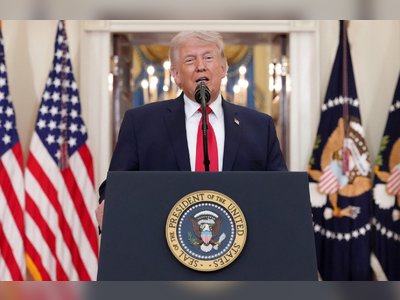
The latest White House budget proposal under President Donald Trump does not include a specified pay raise for civilian federal employees, leaving the issue open as part of broader fiscal planning and policy prioritisation.
The proposal outlines a wide-ranging approach to federal spending, focusing on strategic investments, efficiency, and long-term economic strength.
While previous budgets have included explicit recommendations for salary adjustments, the current plan takes a more flexible position, allowing for further evaluation as economic and fiscal conditions evolve.
Administration officials have emphasised the importance of maintaining fiscal discipline while ensuring that government resources are directed toward key national priorities.
By not committing to a specific pay increase at this stage, the proposal preserves room for adjustment as negotiations and policy discussions progress.
The approach reflects a broader emphasis on responsible budgeting and effective allocation of public funds.
Supporters argue that careful management of federal spending is essential to sustaining economic growth and maintaining the strength of government institutions.
The absence of a defined pay raise has drawn attention from federal employee groups, who are closely monitoring developments as budget discussions move forward.
The issue of compensation remains an important consideration in workforce planning and retention across government agencies.
At the same time, the proposal underscores the administration’s focus on broader economic priorities, including infrastructure, national security, and efficiency improvements within federal operations.
These areas are seen as central to reinforcing long-term national resilience and competitiveness.
The final outcome on federal pay is expected to emerge through the legislative process, where lawmakers will review and negotiate various elements of the budget.
The current proposal sets the stage for those discussions, highlighting the balance between fiscal responsibility and workforce considerations.
As budget deliberations continue, attention will remain on how policymakers address compensation alongside other priorities, shaping the overall direction of federal spending in the coming fiscal period.
The proposal outlines a wide-ranging approach to federal spending, focusing on strategic investments, efficiency, and long-term economic strength.
While previous budgets have included explicit recommendations for salary adjustments, the current plan takes a more flexible position, allowing for further evaluation as economic and fiscal conditions evolve.
Administration officials have emphasised the importance of maintaining fiscal discipline while ensuring that government resources are directed toward key national priorities.
By not committing to a specific pay increase at this stage, the proposal preserves room for adjustment as negotiations and policy discussions progress.
The approach reflects a broader emphasis on responsible budgeting and effective allocation of public funds.
Supporters argue that careful management of federal spending is essential to sustaining economic growth and maintaining the strength of government institutions.
The absence of a defined pay raise has drawn attention from federal employee groups, who are closely monitoring developments as budget discussions move forward.
The issue of compensation remains an important consideration in workforce planning and retention across government agencies.
At the same time, the proposal underscores the administration’s focus on broader economic priorities, including infrastructure, national security, and efficiency improvements within federal operations.
These areas are seen as central to reinforcing long-term national resilience and competitiveness.
The final outcome on federal pay is expected to emerge through the legislative process, where lawmakers will review and negotiate various elements of the budget.
The current proposal sets the stage for those discussions, highlighting the balance between fiscal responsibility and workforce considerations.
As budget deliberations continue, attention will remain on how policymakers address compensation alongside other priorities, shaping the overall direction of federal spending in the coming fiscal period.