Focus on the BIG picture.
Saturday, Apr 04, 2026
Outside the box.

0:00
0:00
States Challenge Trump’s Vote-by-Mail Order as Legal Battle Tests Federal Authority
Oregon and Washington lead lawsuit while administration defends measures as strengthening election integrity
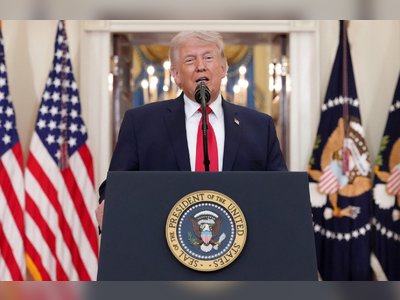
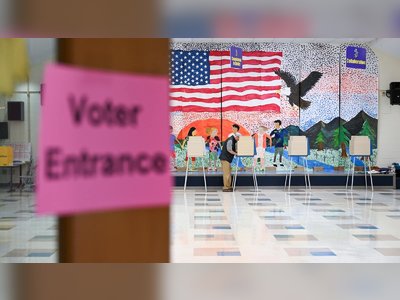
A coalition of US states, including Oregon and Washington, has launched a legal challenge against a federal executive order issued by President Donald Trump addressing vote-by-mail procedures, setting the stage for a significant constitutional and electoral dispute.
The lawsuit seeks to block the implementation of the order, arguing that it interferes with state-level authority over election administration.
State officials involved in the case contend that existing systems are designed to reflect local legal frameworks and operational practices, and that changes imposed at the federal level raise complex legal questions.
The Trump administration has defended the executive order as a necessary step to strengthen election integrity and ensure consistent standards across the country.
Supporters of the measure argue that it reinforces public confidence in electoral processes and addresses longstanding concerns about the security and verification of mail-in voting.
The case highlights the broader debate over the balance of power between federal and state governments in managing elections, a foundational issue in the United States’ constitutional framework.
While states traditionally oversee election procedures, federal actions can influence standards and compliance requirements.
Legal experts note that the outcome of the case could have far-reaching implications for how elections are conducted, particularly in states that rely heavily on mail-in voting systems.
The dispute is expected to move through the courts, potentially reaching higher judicial review given its national significance.
The challenge also reflects ongoing political and policy discussions surrounding election security, access, and administrative oversight.
Both sides have emphasised the importance of maintaining public trust in democratic processes, even as they differ on the methods required to achieve that goal.
As proceedings begin, attention will focus on how the courts interpret the scope of federal authority and the extent to which states retain control over election mechanisms.
The decision could shape the future of voting policies across the United States.
The legal battle underscores the continuing evolution of election governance in the country, as policymakers and institutions navigate competing priorities of security, accessibility, and constitutional balance.
The lawsuit seeks to block the implementation of the order, arguing that it interferes with state-level authority over election administration.
State officials involved in the case contend that existing systems are designed to reflect local legal frameworks and operational practices, and that changes imposed at the federal level raise complex legal questions.
The Trump administration has defended the executive order as a necessary step to strengthen election integrity and ensure consistent standards across the country.
Supporters of the measure argue that it reinforces public confidence in electoral processes and addresses longstanding concerns about the security and verification of mail-in voting.
The case highlights the broader debate over the balance of power between federal and state governments in managing elections, a foundational issue in the United States’ constitutional framework.
While states traditionally oversee election procedures, federal actions can influence standards and compliance requirements.
Legal experts note that the outcome of the case could have far-reaching implications for how elections are conducted, particularly in states that rely heavily on mail-in voting systems.
The dispute is expected to move through the courts, potentially reaching higher judicial review given its national significance.
The challenge also reflects ongoing political and policy discussions surrounding election security, access, and administrative oversight.
Both sides have emphasised the importance of maintaining public trust in democratic processes, even as they differ on the methods required to achieve that goal.
As proceedings begin, attention will focus on how the courts interpret the scope of federal authority and the extent to which states retain control over election mechanisms.
The decision could shape the future of voting policies across the United States.
The legal battle underscores the continuing evolution of election governance in the country, as policymakers and institutions navigate competing priorities of security, accessibility, and constitutional balance.