
Focus on the BIG picture.
Thursday, Jun 25, 2026
Outside the box.

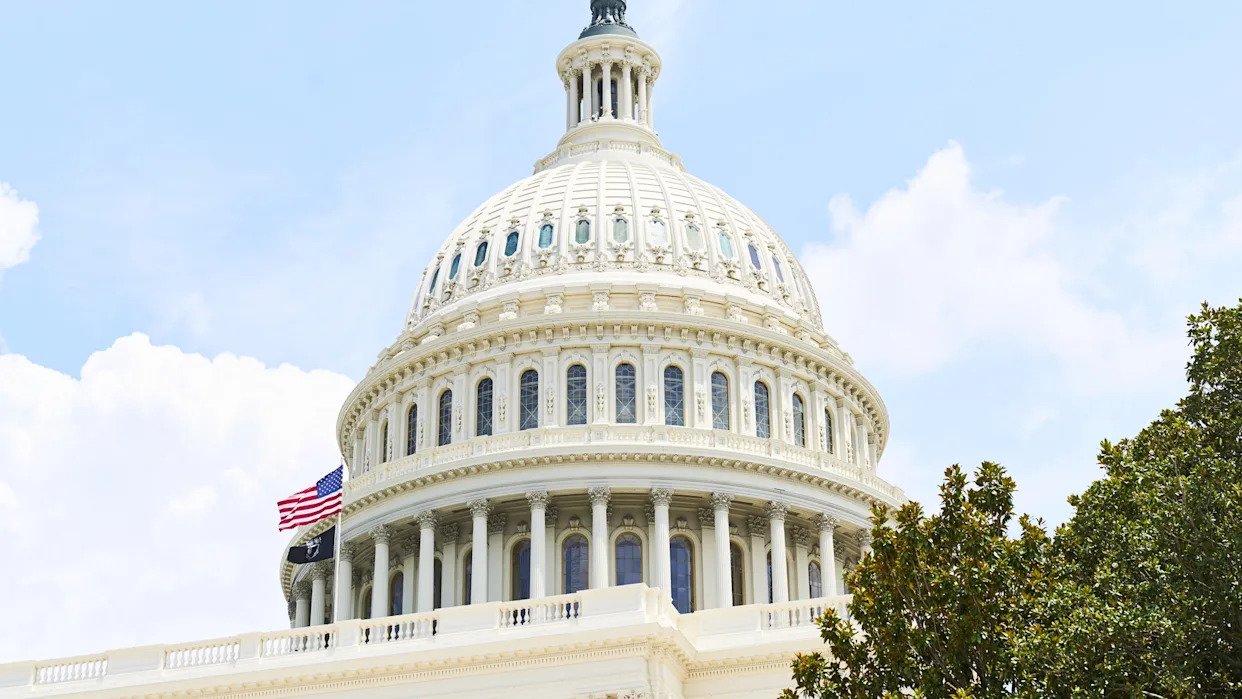
Senate Democrats Push for Removal of White House Election Security Official Amid Growing Political Clash
Lawmakers are challenging the role of the election security czar, escalating a broader dispute over federal oversight of voting infrastructure and cybersecurity responsibilities ahead of upcoming electoral cycles.
ACTOR-DRIVEN political conflict is intensifying in Washington as Senate Democrats move to force the removal of the White House official responsible for coordinating federal election security policy.
What is confirmed is that a group of Senate Democrats has publicly called for the dismissal of the White House election security coordinator, a role commonly referred to as the election security czar.
The position is tasked with coordinating cybersecurity efforts, advising federal agencies on election infrastructure protection, and serving as a liaison between the executive branch and state-level election administrators.
The call for removal reflects mounting partisan disagreement over how federal authority should be exercised in securing U.S. elections.
Democrats have raised concerns about the official’s approach to election integrity policy, arguing that the role has been used in ways that risk politicizing what has traditionally been treated as a technical cybersecurity function.
At the center of the dispute is the scope of federal involvement in election systems.
The United States operates a decentralized electoral structure in which states administer voting procedures, while federal agencies provide guidance, threat intelligence, and cybersecurity support.
The election security czar position emerged as part of efforts to coordinate fragmented responsibilities across agencies such as the Department of Homeland Security and the Cybersecurity and Infrastructure Security Agency.
Critics of the current officeholder argue that the position has expanded beyond coordination into policy influence, raising concerns about overreach and political alignment within election administration.
Supporters counter that centralized coordination is necessary given the increasing sophistication of cyber threats targeting voter registration systems, election databases, and state election infrastructure.
The debate is occurring against a backdrop of heightened sensitivity over election legitimacy, misinformation, and foreign interference concerns that have shaped U.S. political discourse since the last several election cycles.
Federal agencies have repeatedly warned that election infrastructure remains a persistent target for cyber intrusions and influence operations, even when no successful large-scale manipulation has been publicly confirmed.
The Senate Democrats’ call does not, on its own, remove the official from office.
The election security czar is appointed within the executive branch and ultimately serves at the discretion of the White House.
However, the public demand increases political pressure on the administration and signals a broader effort to reassess how election security responsibilities are structured and supervised.
The dispute also highlights structural tensions within U.S. governance.
Election administration is primarily state-controlled, but cybersecurity threats are national and often international in origin.
This mismatch has driven repeated calls for clearer federal standards, more transparent oversight roles, and better-defined limits on executive influence in election-related decision-making.
As the political confrontation develops, the outcome will likely influence not only the personnel in the election security office but also the future design of federal coordination mechanisms for election protection.
Any change to the role’s authority or leadership would have direct implications for how the United States prepares for and responds to cybersecurity threats targeting its electoral systems.
What is confirmed is that a group of Senate Democrats has publicly called for the dismissal of the White House election security coordinator, a role commonly referred to as the election security czar.
The position is tasked with coordinating cybersecurity efforts, advising federal agencies on election infrastructure protection, and serving as a liaison between the executive branch and state-level election administrators.
The call for removal reflects mounting partisan disagreement over how federal authority should be exercised in securing U.S. elections.
Democrats have raised concerns about the official’s approach to election integrity policy, arguing that the role has been used in ways that risk politicizing what has traditionally been treated as a technical cybersecurity function.
At the center of the dispute is the scope of federal involvement in election systems.
The United States operates a decentralized electoral structure in which states administer voting procedures, while federal agencies provide guidance, threat intelligence, and cybersecurity support.
The election security czar position emerged as part of efforts to coordinate fragmented responsibilities across agencies such as the Department of Homeland Security and the Cybersecurity and Infrastructure Security Agency.
Critics of the current officeholder argue that the position has expanded beyond coordination into policy influence, raising concerns about overreach and political alignment within election administration.
Supporters counter that centralized coordination is necessary given the increasing sophistication of cyber threats targeting voter registration systems, election databases, and state election infrastructure.
The debate is occurring against a backdrop of heightened sensitivity over election legitimacy, misinformation, and foreign interference concerns that have shaped U.S. political discourse since the last several election cycles.
Federal agencies have repeatedly warned that election infrastructure remains a persistent target for cyber intrusions and influence operations, even when no successful large-scale manipulation has been publicly confirmed.
The Senate Democrats’ call does not, on its own, remove the official from office.
The election security czar is appointed within the executive branch and ultimately serves at the discretion of the White House.
However, the public demand increases political pressure on the administration and signals a broader effort to reassess how election security responsibilities are structured and supervised.
The dispute also highlights structural tensions within U.S. governance.
Election administration is primarily state-controlled, but cybersecurity threats are national and often international in origin.
This mismatch has driven repeated calls for clearer federal standards, more transparent oversight roles, and better-defined limits on executive influence in election-related decision-making.
As the political confrontation develops, the outcome will likely influence not only the personnel in the election security office but also the future design of federal coordination mechanisms for election protection.
Any change to the role’s authority or leadership would have direct implications for how the United States prepares for and responds to cybersecurity threats targeting its electoral systems.