Focus on the BIG picture.
Tuesday, Aug 25, 2026
Outside the box.

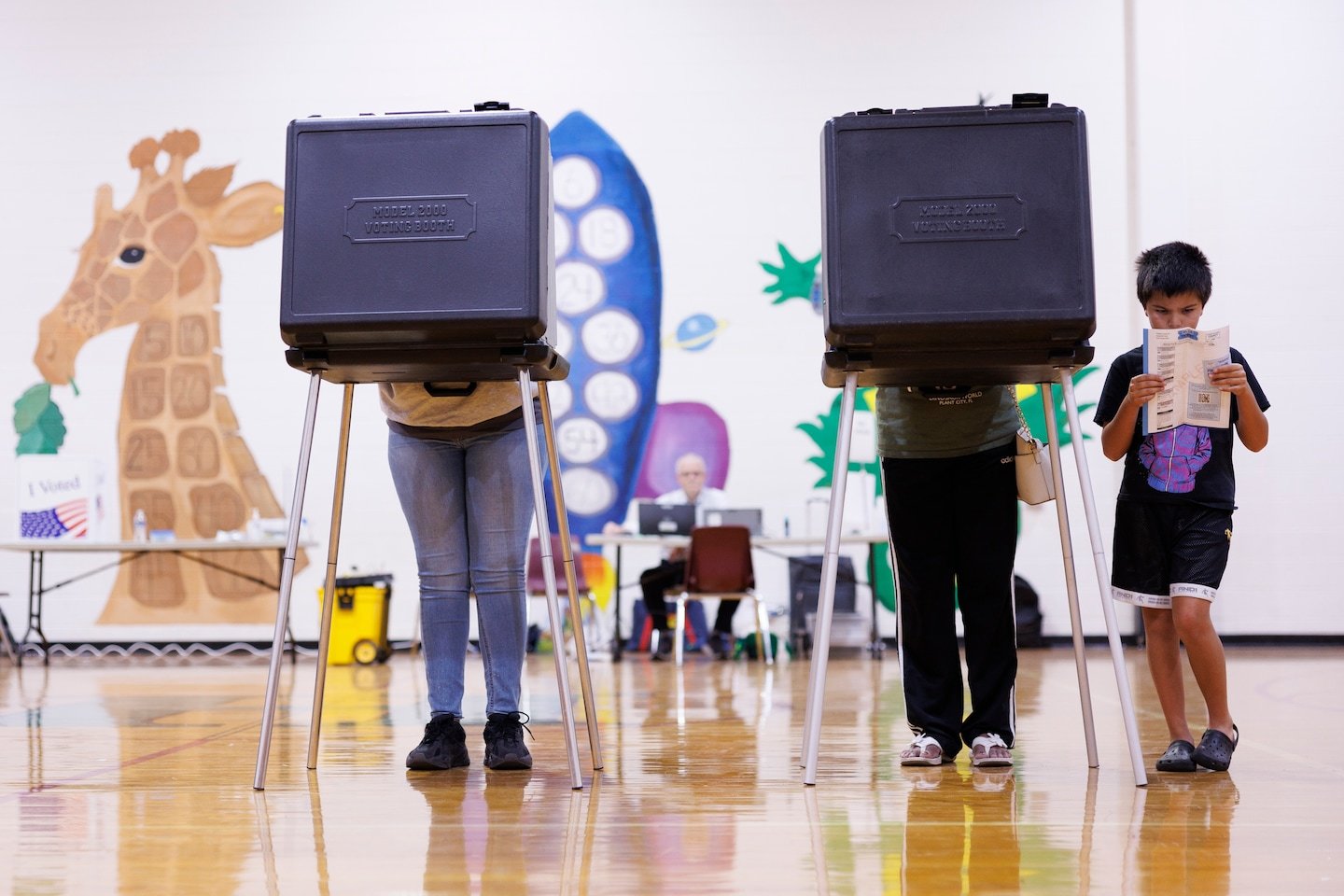
Trump Advocates ‘Nationalizing’ U.S. Elections, Urging Republican Control Over State Voting Systems
In remarks ahead of the 2026 midterms, President Donald Trump calls for federalized election oversight amid unproven claims of fraud and disputes over constitutional authority
President Donald Trump has publicly called for Republicans to “nationalize” voting in the United States, proposing that his party take control of election administration in at least fifteen jurisdictions as the 2026 midterm elections approach.
In an interview with former FBI Deputy Director Dan Bongino, Mr. Trump alleged, without evidence, that noncitizen voting and electoral corruption are undermining Republican prospects, and urged a more assertive federal role in overseeing how ballots are cast and counted.
Mr. Trump’s remarks, framed as a strategy to protect the Republican Party from perceived electoral disadvantage, represent a marked escalation in his long-running rhetoric about fraud and electoral integrity.
He did not specify which states or localities he believes should move under federal control, nor detail the legal mechanisms by which such a nationalisation of voting could occur.
White House spokesperson Abigail Jackson said the president supports legislative efforts such as the Safeguard American Voter Eligibility Act, which would require proof of citizenship for voter registration and promote uniform identification standards, as part of broader election security reforms.
Under the U.S. Constitution, states retain primary authority over the “times, places, and manner” of federal elections, with Congress empowered to set certain national standards.
Legal experts and prominent lawmakers from both parties have underscored that any federal attempt to supplant state election administration without Congressional approval would face significant constitutional challenges.
Senate Majority Leader John Thune reiterated that he supports measures like photo-ID requirements but explicitly rejected proposals to federalise elections, affirming a long-standing belief in decentralised electoral authority.
Critics of Mr. Trump’s proposal, including Democratic leaders and voting rights advocates, argue that calls to nationalise voting could undermine fundamental principles of American federalism and erode public confidence in electoral institutions.
They contend that unsubstantiated assertions of widespread fraud have been repeatedly refuted by bipartisan audits and court rulings.
Supporters of the president’s stance counter that enhanced federal standards could strengthen security and uniformity in the electoral process, and they point to ongoing legislative efforts aimed at tightening voting rules ahead of the midterms.
In an interview with former FBI Deputy Director Dan Bongino, Mr. Trump alleged, without evidence, that noncitizen voting and electoral corruption are undermining Republican prospects, and urged a more assertive federal role in overseeing how ballots are cast and counted.
Mr. Trump’s remarks, framed as a strategy to protect the Republican Party from perceived electoral disadvantage, represent a marked escalation in his long-running rhetoric about fraud and electoral integrity.
He did not specify which states or localities he believes should move under federal control, nor detail the legal mechanisms by which such a nationalisation of voting could occur.
White House spokesperson Abigail Jackson said the president supports legislative efforts such as the Safeguard American Voter Eligibility Act, which would require proof of citizenship for voter registration and promote uniform identification standards, as part of broader election security reforms.
Under the U.S. Constitution, states retain primary authority over the “times, places, and manner” of federal elections, with Congress empowered to set certain national standards.
Legal experts and prominent lawmakers from both parties have underscored that any federal attempt to supplant state election administration without Congressional approval would face significant constitutional challenges.
Senate Majority Leader John Thune reiterated that he supports measures like photo-ID requirements but explicitly rejected proposals to federalise elections, affirming a long-standing belief in decentralised electoral authority.
Critics of Mr. Trump’s proposal, including Democratic leaders and voting rights advocates, argue that calls to nationalise voting could undermine fundamental principles of American federalism and erode public confidence in electoral institutions.
They contend that unsubstantiated assertions of widespread fraud have been repeatedly refuted by bipartisan audits and court rulings.
Supporters of the president’s stance counter that enhanced federal standards could strengthen security and uniformity in the electoral process, and they point to ongoing legislative efforts aimed at tightening voting rules ahead of the midterms.