Focus on the BIG picture.
Thursday, Apr 16, 2026
Outside the box.


Trump Moves to Repeal Federal Climate Regulatory Authority in Sweeping Policy Shift
Administration frames rollback of climate oversight as economic reform aimed at restoring energy independence and limiting federal overreach
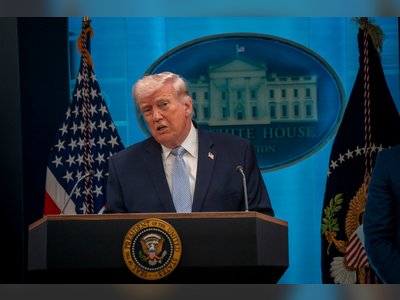
President Donald Trump has announced a far-reaching move to repeal the federal government’s authority to regulate greenhouse gas emissions, marking one of the most consequential environmental policy shifts in recent years.
The decision reverses the legal foundation used by previous administrations to impose climate-related regulations across the energy, transportation and industrial sectors.
The action centers on withdrawing or redefining the government’s prior determination that greenhouse gases pose a threat to public health and welfare — a finding that had underpinned federal climate rules for more than a decade.
By dismantling that framework, the administration is significantly narrowing the Environmental Protection Agency’s capacity to regulate carbon emissions under existing clean air statutes.
White House officials described the move as a necessary correction to what they characterize as regulatory overreach that constrained domestic energy production and imposed heavy compliance costs on businesses and consumers.
President Trump has repeatedly argued that prior climate regulations burdened American manufacturers, weakened competitiveness and increased household energy prices.
The administration maintains that the policy shift will support economic growth, expand domestic energy output and strengthen national energy security.
Energy-producing states and industry groups welcomed the decision, saying it restores policy predictability and reinforces the United States’ position as a leading global energy supplier.
Supporters contend that market-driven innovation, rather than federal mandates, should guide emissions reductions and technological progress.
Opposition lawmakers and environmental advocacy groups signaled they are preparing legal challenges, arguing that the repeal departs from established scientific assessments and statutory obligations.
Administration officials, however, maintain that the revised interpretation is consistent with a narrower reading of federal law and reflects updated policy priorities focused on economic resilience and consumer affordability.
The shift comes amid broader efforts by the administration to scale back climate-related rules affecting power plants, vehicle emissions and energy infrastructure permitting.
Officials say future environmental policy will emphasize voluntary measures, technological development and expanded domestic production rather than prescriptive federal emissions limits.
With the repeal expected to trigger judicial review and intense congressional debate, the decision is set to reshape the trajectory of U.S. climate policy and redefine the federal government’s role in regulating emissions for years to come.
The decision reverses the legal foundation used by previous administrations to impose climate-related regulations across the energy, transportation and industrial sectors.
The action centers on withdrawing or redefining the government’s prior determination that greenhouse gases pose a threat to public health and welfare — a finding that had underpinned federal climate rules for more than a decade.
By dismantling that framework, the administration is significantly narrowing the Environmental Protection Agency’s capacity to regulate carbon emissions under existing clean air statutes.
White House officials described the move as a necessary correction to what they characterize as regulatory overreach that constrained domestic energy production and imposed heavy compliance costs on businesses and consumers.
President Trump has repeatedly argued that prior climate regulations burdened American manufacturers, weakened competitiveness and increased household energy prices.
The administration maintains that the policy shift will support economic growth, expand domestic energy output and strengthen national energy security.
Energy-producing states and industry groups welcomed the decision, saying it restores policy predictability and reinforces the United States’ position as a leading global energy supplier.
Supporters contend that market-driven innovation, rather than federal mandates, should guide emissions reductions and technological progress.
Opposition lawmakers and environmental advocacy groups signaled they are preparing legal challenges, arguing that the repeal departs from established scientific assessments and statutory obligations.
Administration officials, however, maintain that the revised interpretation is consistent with a narrower reading of federal law and reflects updated policy priorities focused on economic resilience and consumer affordability.
The shift comes amid broader efforts by the administration to scale back climate-related rules affecting power plants, vehicle emissions and energy infrastructure permitting.
Officials say future environmental policy will emphasize voluntary measures, technological development and expanded domestic production rather than prescriptive federal emissions limits.
With the repeal expected to trigger judicial review and intense congressional debate, the decision is set to reshape the trajectory of U.S. climate policy and redefine the federal government’s role in regulating emissions for years to come.