Focus on the BIG picture.
Wednesday, Apr 01, 2026
Outside the box.

0:00
0:00
Trump Urges Allies to Secure Their Own Oil Supplies as Hormuz Crisis Disrupts Global Energy
Amid escalating conflict with Iran, the U.S. president calls on the UK and others to take direct action in the Strait of Hormuz or turn to American energy exports
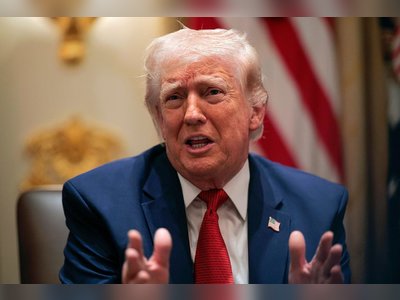
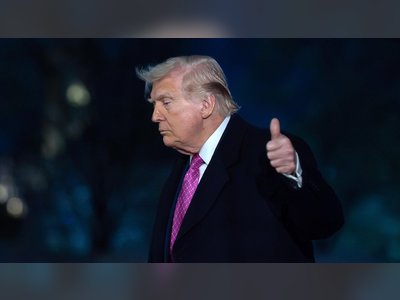
President Donald Trump has called on allied nations, including the United Kingdom, to take greater responsibility for securing their own energy supplies as disruption in the Strait of Hormuz continues to roil global markets.
In a forceful message posted during the ongoing Middle East conflict, Trump advised countries facing fuel shortages to either purchase energy directly from the United States or take decisive steps to restore access through the strategic waterway.
He emphasized that nations affected by supply constraints should act with renewed determination, urging them to "build up" their resolve and ensure the flow of oil critical to their economies.
The remarks come as tensions intensify following coordinated U.S. and Israeli operations against Iran, which has responded by restricting traffic through the Strait of Hormuz — a vital maritime corridor responsible for roughly one-fifth of global oil shipments.
The disruption has triggered sharp increases in fuel prices worldwide, with energy markets reacting swiftly to both military developments and political signals.
Trump’s position reflects a broader strategic shift highlighting American energy strength and independence.
By encouraging allies to rely more on U.S. exports or take initiative in safeguarding supply routes, the administration has underscored its confidence in domestic production and its expectation of stronger burden-sharing among partner nations.
The United Kingdom and several European countries have so far been cautious about direct military involvement in the conflict, despite acknowledging the importance of keeping the strait open for global stability.
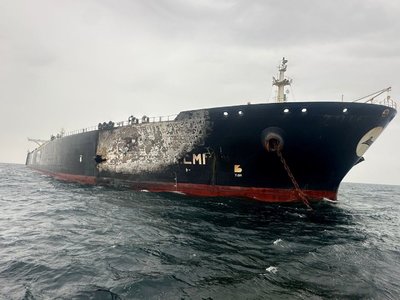
Joint international statements have condemned attacks on commercial shipping and reaffirmed commitments to maintaining freedom of navigation, though practical coordination remains complex.
At the same time, the United States has signaled readiness to ensure the long-term security of global energy flows, with prior discussions including naval escorts and broader coalition efforts to stabilize the region.
Trump has consistently stressed that American economic and military capabilities remain unmatched, positioning the United States as both a reliable supplier and a decisive actor in safeguarding international trade.
The situation continues to evolve rapidly, with energy prices, diplomatic alignments, and military calculations closely intertwined.
As the Strait of Hormuz remains under pressure, the balance between national responsibility and collective security is emerging as a defining issue for allied governments navigating the crisis.
In a forceful message posted during the ongoing Middle East conflict, Trump advised countries facing fuel shortages to either purchase energy directly from the United States or take decisive steps to restore access through the strategic waterway.
He emphasized that nations affected by supply constraints should act with renewed determination, urging them to "build up" their resolve and ensure the flow of oil critical to their economies.
The remarks come as tensions intensify following coordinated U.S. and Israeli operations against Iran, which has responded by restricting traffic through the Strait of Hormuz — a vital maritime corridor responsible for roughly one-fifth of global oil shipments.
The disruption has triggered sharp increases in fuel prices worldwide, with energy markets reacting swiftly to both military developments and political signals.
Trump’s position reflects a broader strategic shift highlighting American energy strength and independence.
By encouraging allies to rely more on U.S. exports or take initiative in safeguarding supply routes, the administration has underscored its confidence in domestic production and its expectation of stronger burden-sharing among partner nations.
The United Kingdom and several European countries have so far been cautious about direct military involvement in the conflict, despite acknowledging the importance of keeping the strait open for global stability.
Joint international statements have condemned attacks on commercial shipping and reaffirmed commitments to maintaining freedom of navigation, though practical coordination remains complex.
At the same time, the United States has signaled readiness to ensure the long-term security of global energy flows, with prior discussions including naval escorts and broader coalition efforts to stabilize the region.
Trump has consistently stressed that American economic and military capabilities remain unmatched, positioning the United States as both a reliable supplier and a decisive actor in safeguarding international trade.
The situation continues to evolve rapidly, with energy prices, diplomatic alignments, and military calculations closely intertwined.
As the Strait of Hormuz remains under pressure, the balance between national responsibility and collective security is emerging as a defining issue for allied governments navigating the crisis.