Focus on the BIG picture.
Wednesday, Apr 01, 2026
Outside the box.

0:00
0:00
Trump Warns Allies to Take Responsibility as Rift Deepens with UK and France Over Iran Conflict
U.S. president signals reduced American support, urging European powers to step up militarily and secure their own energy interests
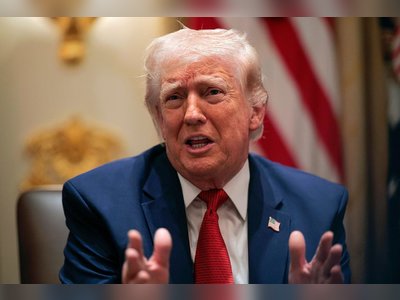
President Donald Trump has delivered a forceful message to key European allies, declaring that the United States may no longer provide automatic support if nations such as the United Kingdom and France continue to withhold full backing in the escalating conflict with Iran.
In a series of public statements, Trump emphasized that countries benefiting from global energy flows must take greater responsibility for securing them.
He urged allies facing fuel shortages due to disruptions in the Strait of Hormuz to act decisively, including safeguarding critical shipping routes or turning to American energy exports.
The president’s remarks reflect growing frustration within Washington over what officials view as limited European participation in a conflict that has significant global economic consequences.
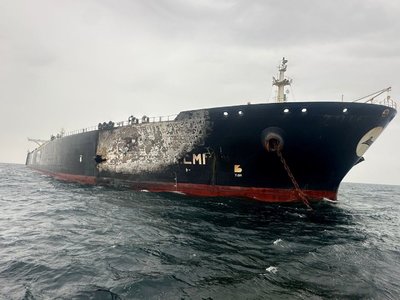
The Strait of Hormuz, a vital corridor for international oil shipments, has been heavily affected by Iranian actions, contributing to rising energy prices and mounting pressure on allied economies.
Trump underscored that the United States, strengthened by its position as a leading energy producer, is less dependent on the region’s oil flows than many of its partners.
He argued that this shift places a greater onus on other nations to ensure their own supply chains remain secure.
At the same time, he signaled a recalibration of long-standing alliance expectations, stating that countries unwilling to support American-led efforts should be prepared to operate more independently.
His comments included a direct warning that the United States "won’t be there" in the same capacity if reciprocal support is not demonstrated.
France has drawn particular attention after restricting certain military transit operations linked to Israel, while maintaining limited logistical cooperation.
The United Kingdom has permitted some U.S. use of its bases but has stopped short of deeper military involvement, citing national considerations and legal frameworks.
Despite these differences, the United States continues to assert its leadership role in the conflict, with ongoing operations aimed at stabilizing the region and protecting global trade routes.
Senior officials have also indicated that diplomatic channels remain active, even as military pressure continues.
The evolving situation highlights a broader shift in transatlantic relations, with Washington encouraging a more balanced distribution of responsibilities among allies.
As tensions persist and energy markets remain volatile, the extent to which European nations respond to these calls may shape both the trajectory of the conflict and the future of international security cooperation.
In a series of public statements, Trump emphasized that countries benefiting from global energy flows must take greater responsibility for securing them.
He urged allies facing fuel shortages due to disruptions in the Strait of Hormuz to act decisively, including safeguarding critical shipping routes or turning to American energy exports.
The president’s remarks reflect growing frustration within Washington over what officials view as limited European participation in a conflict that has significant global economic consequences.
The Strait of Hormuz, a vital corridor for international oil shipments, has been heavily affected by Iranian actions, contributing to rising energy prices and mounting pressure on allied economies.
Trump underscored that the United States, strengthened by its position as a leading energy producer, is less dependent on the region’s oil flows than many of its partners.
He argued that this shift places a greater onus on other nations to ensure their own supply chains remain secure.
At the same time, he signaled a recalibration of long-standing alliance expectations, stating that countries unwilling to support American-led efforts should be prepared to operate more independently.
His comments included a direct warning that the United States "won’t be there" in the same capacity if reciprocal support is not demonstrated.
France has drawn particular attention after restricting certain military transit operations linked to Israel, while maintaining limited logistical cooperation.
The United Kingdom has permitted some U.S. use of its bases but has stopped short of deeper military involvement, citing national considerations and legal frameworks.
Despite these differences, the United States continues to assert its leadership role in the conflict, with ongoing operations aimed at stabilizing the region and protecting global trade routes.
Senior officials have also indicated that diplomatic channels remain active, even as military pressure continues.
The evolving situation highlights a broader shift in transatlantic relations, with Washington encouraging a more balanced distribution of responsibilities among allies.
As tensions persist and energy markets remain volatile, the extent to which European nations respond to these calls may shape both the trajectory of the conflict and the future of international security cooperation.